
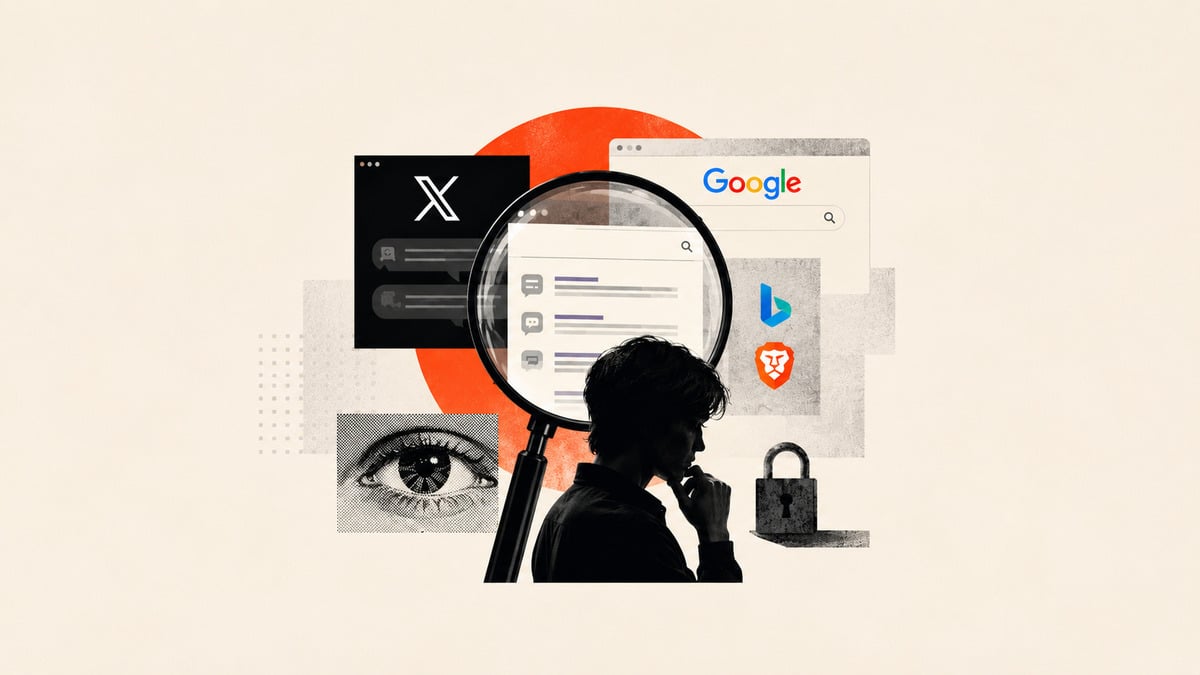
The structural integrity of our digital privacy depends on a calibrated understanding of data sharing. Recently, a significant vulnerability surfaced where Claude shared chats and Artifacts appeared publicly in Google Search results. This exposure serves as a critical baseline for analyzing how users unintentionally leak sensitive information through automated systems. Consequently, this incident highlights a disconnect between user perception and the architectural reality of web indexing.
The Situation Room: Analysis of the Exposure
The Translation (Clear Context)
Anthropic, the creator of Claude, offers a feature that generates “unlisted” links for sharing conversations. Many users assumed these links were private unless sent directly to a recipient. However, if a user posts these Claude shared chats on a public forum, social media, or a website, Google’s crawlers detect them. The search engine then indexes the page, making it searchable by anyone globally. In essence, the “unlisted” link acts like a hidden door that remains locked until someone leaves the key in a public space.
The Socio-Economic Impact
In Pakistan’s rapidly expanding tech landscape, professionals and students increasingly utilize AI for efficiency. This leak reportedly exposed medical reports, clinical trial data, and internal corporate documents. For a Pakistani citizen, this risk is substantial; a single leaked document could compromise a professional reputation or a company’s competitive edge. Strategic digital hygiene is no longer optional; it is a fundamental requirement for participating in the global digital economy.
The “Forward Path” (Opinion)
This development represents a Momentum Shift in our relationship with AI tools. While Anthropic and Google have stabilized the situation by removing current search results, the incident exposes a permanent systemic risk. We must shift our mindset: any link generated for “public sharing” should be treated as a broadcast. True privacy requires localized control, and users must proactively audit their digital footprint to ensure national and personal security.
How Search Engines Discovered Private Data
Anthropic clarified that it does not provide sitemaps or directories of shared conversations to search engines. Instead, the discovery process is organic. When a user shares a link on a public platform, Google’s algorithms perceive it as a valid webpage to archive. Consequently, the burden of privacy shifted from the platform’s security to the user’s discretion. This technical nuance caused “unlisted” Artifacts—including sensitive code and work notes—to become searchable assets for third parties.
Protecting Your Claude Shared Chats
Precision in data management is the best defense against accidental leaks. Users should immediately verify which conversations they have previously exposed. Follow these steps to secure your account:
- Navigate to Settings within the Claude interface.
- Select Privacy and then Shared Chats.
- Review the list and disable links for any content containing personal or corporate data.
- If sensitive credentials like API keys were shared, rotate them immediately rather than just deleting the link.
Strategic security measures must stay ahead of system vulnerabilities. By auditing your shared links, you ensure that your intellectual property remains under your direct control.








