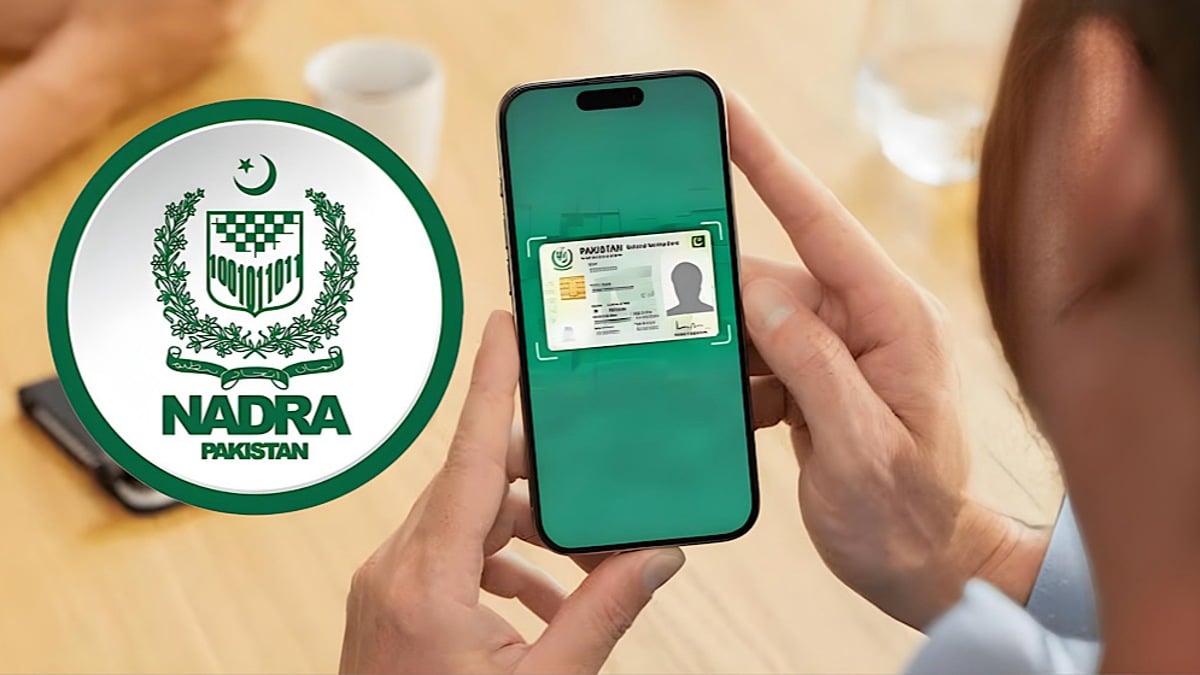
Modernizing Pakistan’s administrative infrastructure requires a calibrated transition from manual to digital frameworks. Consequently, NADRA has expanded digital vehicle services through its Pak ID mobile application. This development allows buyers and sellers to execute Vehicle Biometric Verification directly from their smartphones, eliminating the need for physical presence at registration centers.
Currently, the system supports vehicles registered in Punjab, Sindh, Balochistan, and Islamabad. However, administrative nuances exist. Users must recognize that available options and remaining transfer requirements may fluctuate based on the specific provincial jurisdiction. While the digital bridge is established, the final documentation protocols remain within the excise department’s domain.
The Structural Requirements for Digital Onboarding
Strategic preparation ensures a seamless digital experience. Before initiating the Vehicle Biometric Verification, both the buyer and seller must align with specific technical baselines. Precision in data entry at this stage prevents downstream application failures.
- Identity Credentials: Valid CNICs and registered Pak ID accounts for both parties.
- Hardware: Smartphones equipped with high-resolution working cameras.
- Software: The latest version (5.6.8 or higher) of the Pak ID mobile app.
- Connectivity: A stable, high-speed internet connection to handle facial and fingerprint data packets.
- Verification: The seller must ensure the vehicle is correctly mapped to their identity within the app.
Mastering Vehicle Biometric Verification Workflow
Phase 1: The Seller’s Protocol
Initiating the transfer requires the seller to calibrate the digital record. After signing into the Pak ID app, navigate to the “Digital Services” or “Digital Cards” section. Select the specific vehicle from the registered list to begin the biometric sequence. Precision is vital; verify the registration number and owner details before moving to the facial recognition module.
Position your face within the digital guide in a well-lit environment. The app captures high-fidelity facial data to confirm identity. Subsequently, the system prompts for a fingerprint scan. Follow the on-screen markers carefully to ensure the biometric sensors register the data correctly. Finally, enter the purchaser’s CNIC with absolute accuracy and share the generated Tracking ID and PIN ID with the buyer.

Phase 2: The Buyer’s Protocol
The buyer completes the structural handshake. Upon logging in, the purchaser must access the vehicle-transfer service and input the Tracking ID and PIN received from the seller. This link populates the vehicle’s technical data. The buyer then mirrors the facial and fingerprint verification process. If any discrepancy appears in the seller’s name or vehicle details, the buyer should halt the process immediately to avoid legal complications.
Financial Integration and Digital Fees
System efficiency extends to the financial layer. Users can settle provincial transfer charges through various digital catalysts. The fee structure remains dynamic, influenced by engine capacity and vehicle category. Supported channels include Raast, Easypaisa, JazzCash, and direct debit/credit card payments. Always confirm the amount displayed within the app before final submission to ensure the transaction aligns with the latest provincial tax records.
The Situation Room Analysis
The Translation (Clear Context)
This initiative transforms the Pak ID app into a secure identity bridge. Instead of NADRA replacing the Excise and Taxation Department, it acts as a decentralized verification node. The app digitizes the “proof of presence,” which was previously the most significant bottleneck in vehicle transactions. It converts a physical presence requirement into a secure, encrypted data exchange.
The Socio-Economic Impact
For the average Pakistani citizen, this shift represents a massive reduction in “transaction friction.” It eliminates the reliance on middle-men or “agents” who often exploit the complexity of physical verification. For professionals and families in both urban centers like Lahore and rural Balochistan, this saves hours of commute and wait time, directly boosting national productivity and reducing the administrative burden on state offices.
The “Forward Path” (Opinion)
This development is a definitive Momentum Shift. By integrating provincial excise data with federal NADRA identity records, Pakistan is moving toward a unified digital governance model. While KP and AJK are currently outside this loop, their eventual inclusion will finalize a nationwide digital asset management system. This is a critical catalyst for a transparent, paperless economy.