
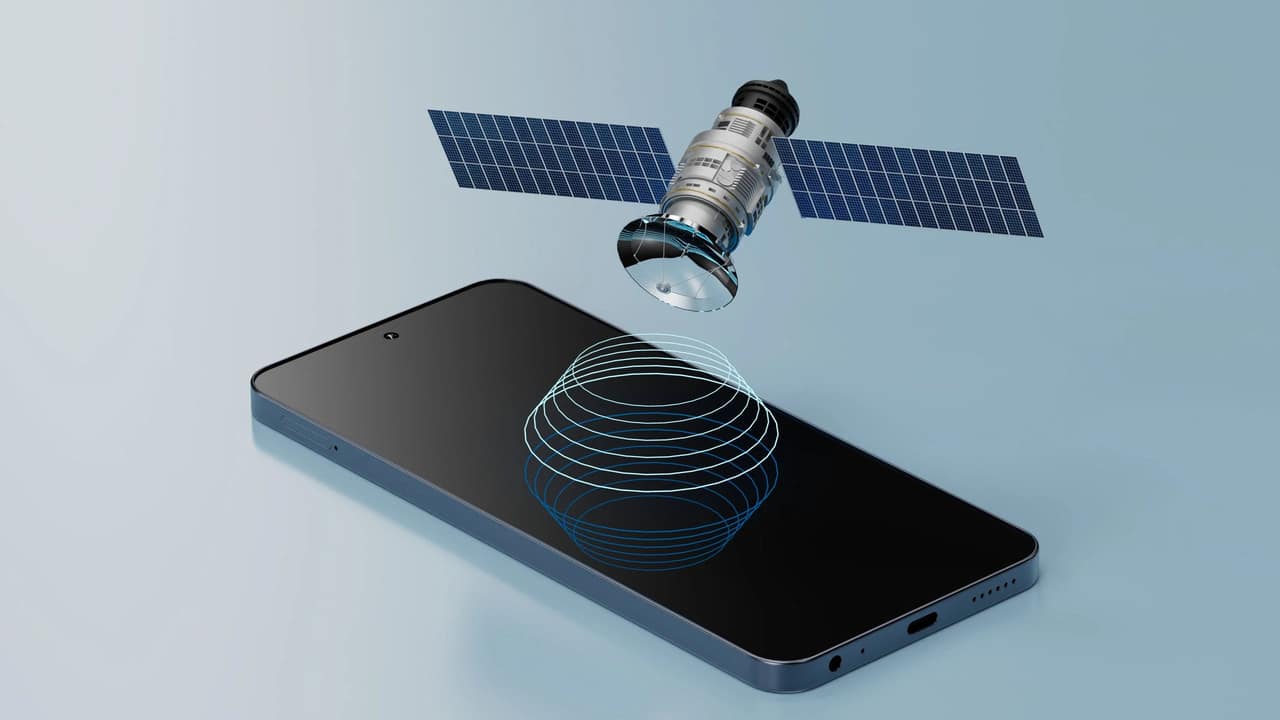
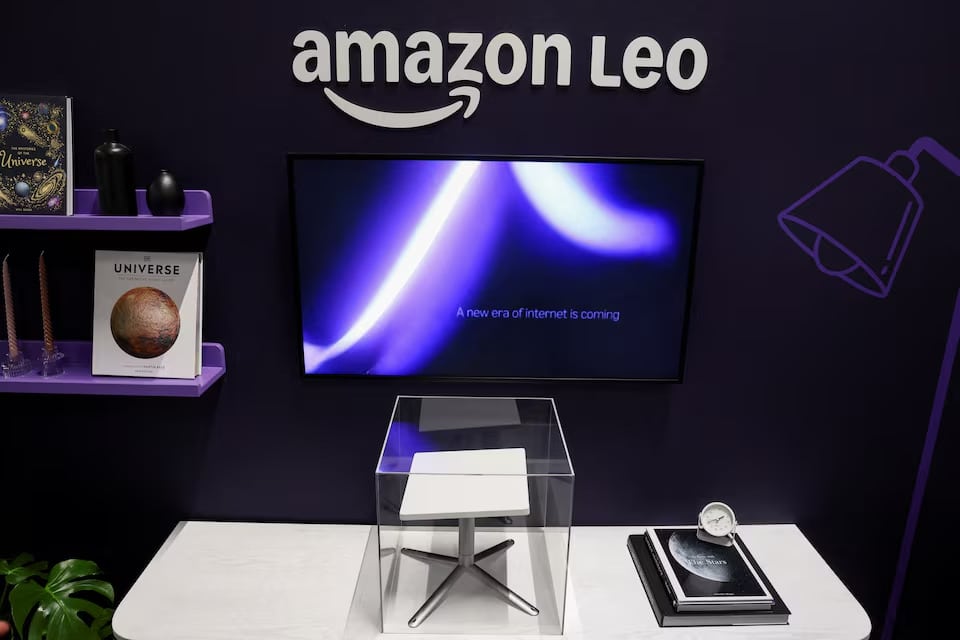
Amazon is recalibrating the global digital landscape with a proposed satellite cellular network comprising 5,105 satellites. This strategic move aims to eliminate terrestrial dead zones by 2028, ensuring precision connectivity for smartphones worldwide. By filing with the US Federal Communications Commission (FCC), Amazon signals its intent to provide voice calls, messaging, and mobile data directly to devices, bypassing traditional infrastructure limitations.
Scaling the Global Satellite Cellular Network
The core architecture of this system connects mobile phones directly to satellites without requiring specialized hardware. Consequently, users in remote regions gain access to vital communication channels where ground-based towers fail to reach. Amazon leverages its recent acquisition of Globalstar spectrum to fuel this next-generation deployment. Furthermore, Globalstar already facilitates emergency features for millions of devices, providing a calibrated baseline for Amazon’s expansion.

The Competitive Race for Orbital Dominance
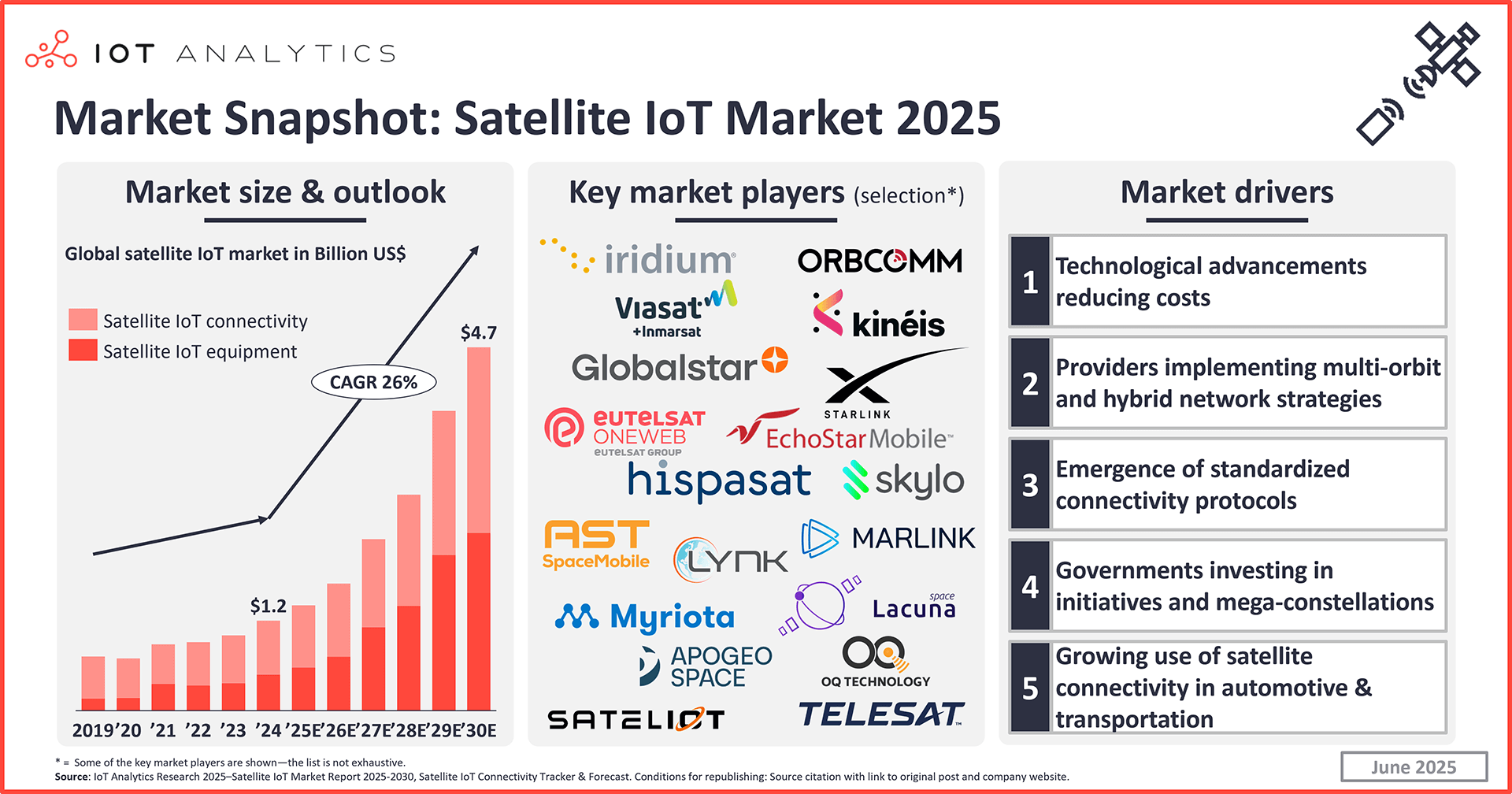
Amazon enters an increasingly crowded Low Earth Orbit (LEO) sector. While SpaceX currently maintains a lead in launch frequency, Amazon is accelerating its own pace to challenge industry rivals like AST SpaceMobile and Lynk Global. Specifically, the company plans more than 20 launches using Vulcan Centaur and New Glenn rockets within the second year of full-scale deployment. This surge in activity addresses previous criticisms regarding its development speed and strengthens its position in the space economy.
The Situation Room Analysis
The Translation (Clear Context)
Currently, mobile connectivity depends on a physical “handshake” between your phone and a nearby tower. Amazon’s satellite cellular network effectively places those towers in space. By utilizing Direct-to-Device (D2D) technology, the satellite acts as a celestial cell site. This structural innovation means that as long as you have a clear view of the sky, your standard smartphone remains functional, regardless of your proximity to urban infrastructure.
The Socio-Economic Impact
For a country like Pakistan, the adoption of a satellite cellular network represents a catalyst for rural development. Thousands of citizens in mountainous or underserved regions currently lack reliable data for education, healthcare, and business. This technology provides a precision solution for disaster management and emergency response in flood-prone or remote areas. It bridges the digital divide, allowing professionals and students in rural districts to participate in the global economy with the same efficiency as those in metropolitan hubs.
The Forward Path (Opinion)
This development represents a Momentum Shift. Amazon is no longer just an e-commerce or cloud giant; it is positioning itself as a structural pillar of global telecommunications. While the 2028 timeline is ambitious, the strategic acquisition of spectrum and the diversification of launch vehicles indicate a disciplined approach. The success of this satellite cellular network will likely force traditional carriers to evolve from infrastructure owners to service integrators, permanently altering the connectivity baseline.








