
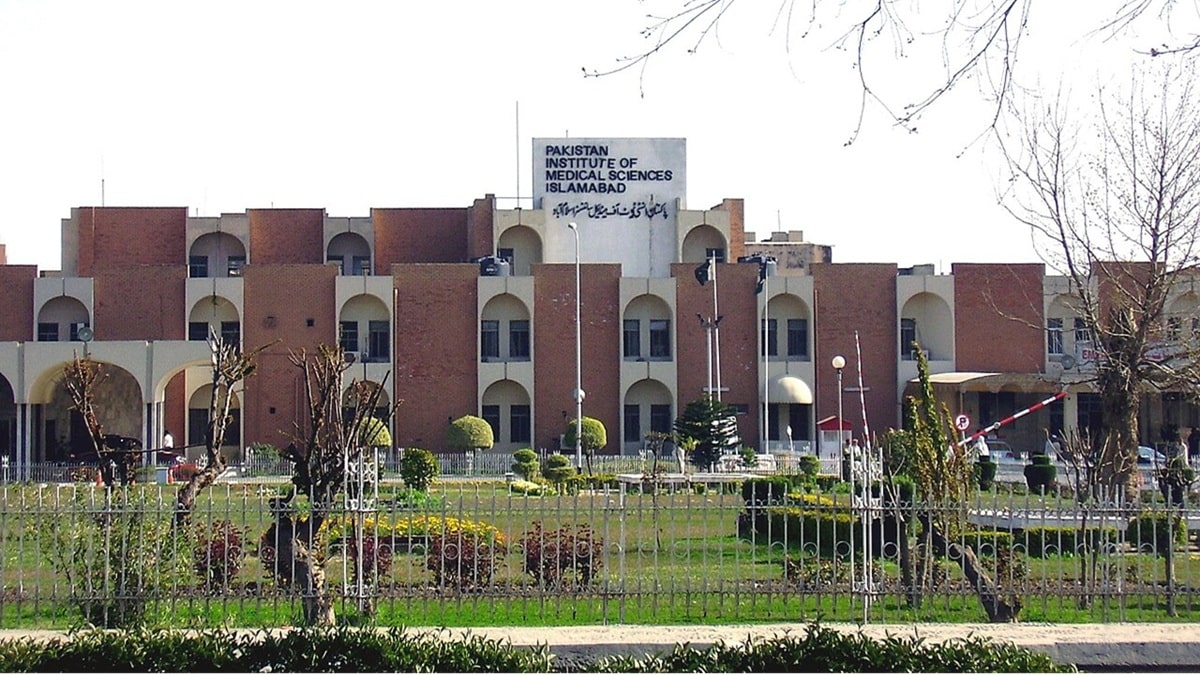
Federal Health Minister Mustafa Kamal recently accelerated the launch of the PIMS Emergency Center to mitigate Islamabad’s rising patient density. Consequently, this 200-bed facility integrates calibrated medical infrastructure to ensure high-velocity emergency response within the public health sector. The minister mandated the immediate completion of all technical work to meet rigorous national health standards.
Strategic Scaling of the PIMS Emergency Center
Specifically, the new facility introduces critical structural capacity to the Pakistan Institute of Medical Sciences. The center features a 30-bed Surgical Intensive Care Unit and a 10-bed Medical Intensive Care Unit to handle complex trauma cases. Furthermore, officials confirmed the inclusion of two primary and two minor operation theatres to streamline surgical interventions. This strategic expansion directly addresses the current baseline of patient overflow in the capital.
The Translation: Technical Precision in Public Health
In technical terms, the Minister’s insistence on finalizing PC-4 documentation is a strategic move to bypass bureaucratic latency. PC-4 signifies the transition from a “construction project” to an “operational entity.” By prioritizing this paperwork, the government ensures that staffing, funding, and maintenance protocols activate simultaneously with the physical opening. This architectural approach prevents the common pitfall of completed buildings sitting vacant due to administrative delays.
The Socio-Economic Impact: Strengthening the Urban Baseline
For the average Pakistani citizen, the PIMS Emergency Center represents a significant reduction in critical response times. Increased bed capacity directly correlates with lower mortality rates in emergency scenarios for urban and rural families seeking tertiary care. Effectively, this development lowers the financial and emotional burden on households by providing high-tier ICU services within the public safety net, reducing the reliance on expensive private alternatives.
The Forward Path: A Momentum Shift
In my expert assessment, this development represents a Momentum Shift for Pakistan’s healthcare landscape. Rather than merely maintaining existing systems, the government is actively scaling specialized infrastructure. The integration of 40 dedicated ICU beds within an emergency framework is a catalyst for higher survival rates. If the Ministry maintains this level of precision in staffing and equipment procurement, this center will set a new baseline for public health efficiency.








