
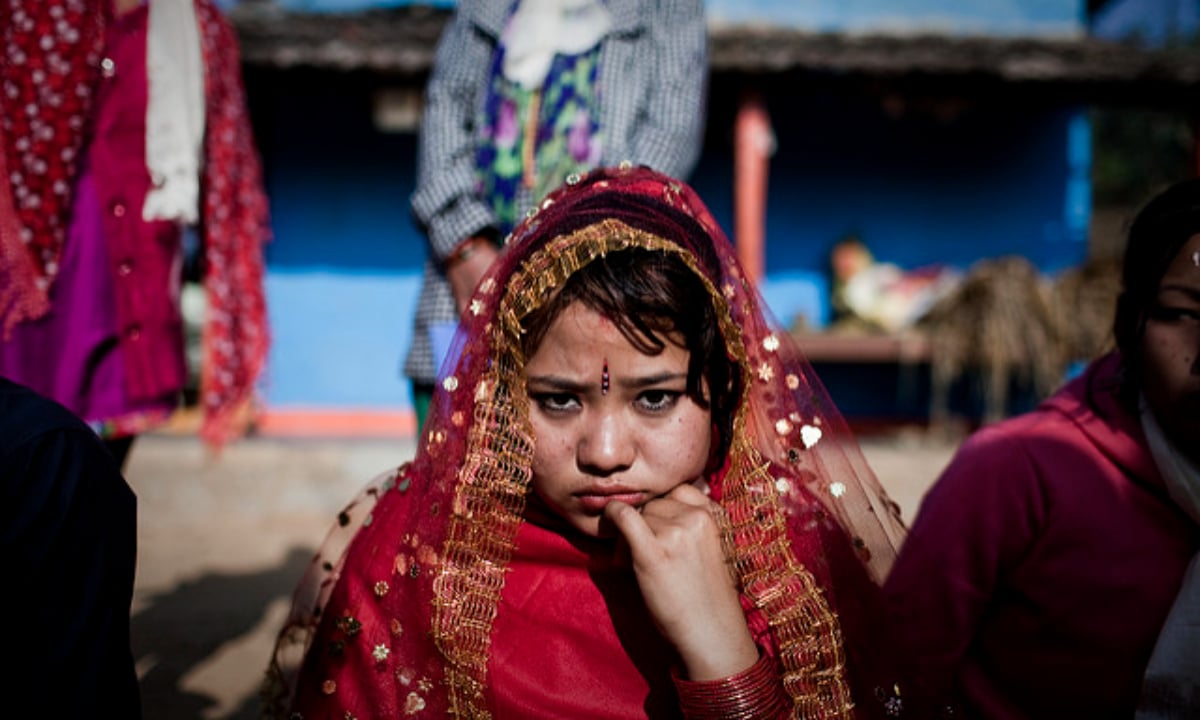
The Khyber Pakhtunkhwa Commission on the Status of Women (KPCSW) is strategically prioritizing ending child marriage by urging the Provincial Assembly to align regional legal standards with national benchmarks. This calibrated move seeks a multi-partisan consensus to raise the minimum marriage age to 18, ensuring structural protections for the province’s youth. Consequently, the KPCSW has formally requested Speaker Babar Saleem Swati to lead this legislative transition.
A Strategic Framework for Legislative Reform
This initiative stems from a high-level Ministerial Briefing held on July 22, 2026. The session, organized by KPCSW alongside UN Women and Blue Veins, converged diverse stakeholders including finance advisors, legal experts, and youth representatives. Participants specifically analyzed the data-driven benefits of legislative maturity. Furthermore, they agreed that meaningful reform requires collective political ownership to succeed in the assembly.
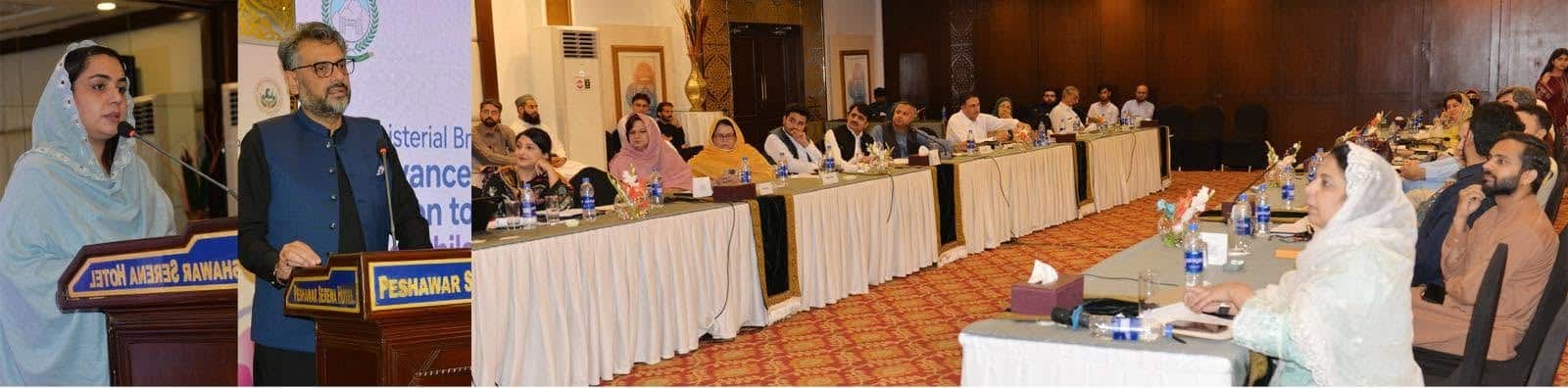
Acting on these recommendations, KPCSW Chairperson Sumera Shams proposed a closed-door consultation within the Provincial Assembly. This precision-focused dialogue aims to bridge gaps between parliamentary leaders, religious scholars, and civil society. Notably, the Commission highlighted that Khyber Pakhtunkhwa remains an outlier, as Sindh, Punjab, and Balochistan have already established 18 years as the legal baseline for all citizens.
The Translation: Precision in Policy
The core logic behind ending child marriage through a legal age shift is the “harmonization” of provincial and federal laws. Currently, a legal discrepancy exists where a girl is considered a child in one province but eligible for marriage in another. By standardizing the age at 18, the state creates a “protectionist shield,” ensuring that medical, psychological, and educational baselines are met before an individual enters a legal contract. This move converts abstract human rights into enforceable provincial law.
The Socio-Economic Impact: Empowering the Citizenry
How does this shift affect the daily life of a Pakistani citizen? For families in rural and urban KP, raising the marriage age acts as a catalyst for economic mobility. Specifically, it keeps girls in the educational pipeline for two additional, critical years. This increased educational “dwell time” correlates directly with lower maternal mortality rates and higher household income potential. Ultimately, this reform transitions young citizens from early domesticity to active contributors in the provincial labor force.
The Forward Path: A Momentum Shift
This development represents a clear Momentum Shift for Khyber Pakhtunkhwa. While previous attempts at reform faced ideological friction, the current strategy focuses on “consensus-based precision.” By utilizing the Speaker’s Office as a neutral platform, the KPCSW is moving beyond passive reporting into active legislative engineering. The progress of this bill will serve as a baseline for the province’s commitment to modernizing its social infrastructure.








