
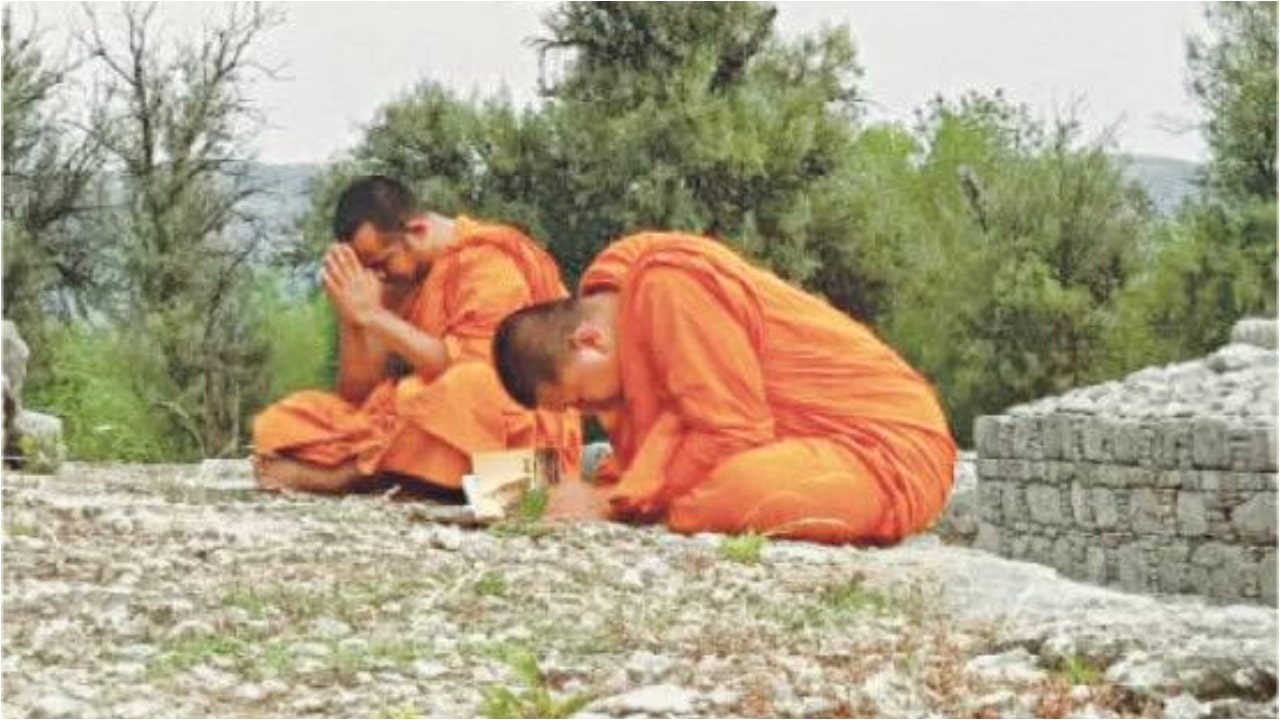
The recent call for a Peace Prayer Taxila by Japanese monk Junsei Terasawa represents a calibrated effort to leverage Pakistan’s archaeological assets for international diplomacy. Terasawa, a 76-year-old visionary with decades of experience in conflict zones, identifies the Dharmarajika Stupa as a structural baseline for global reconciliation. Consequently, he has urged Buddhist followers worldwide to converge at this ancient site to promote a message of non-violence and compassion during these turbulent times.
The Strategic Revival of Gandhara Heritage
Terasawa is currently executing a month-long pilgrimage across Pakistan’s most significant Buddhist sites. His itinerary includes precision visits to monastic remains in Punjab and the Swat Valley. Notably, the monk emphasizes that the spiritual traditions of East Asia possess deep, historical links to the Gandhara civilization. Specifically, ancient Gandharan art served as the architectural catalyst for Buddhist traditions that still thrive in Japan today.
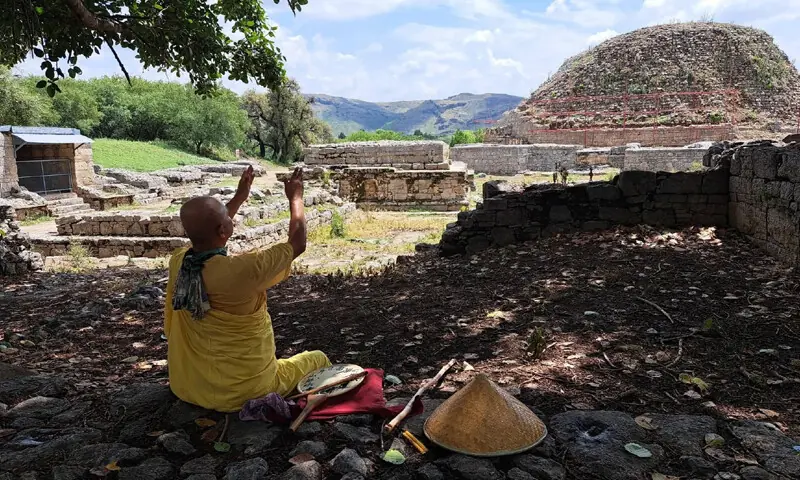
During his time at the Dharmarajika Stupa, Terasawa highlighted how Taxila once served as a primary hub for spreading peaceful ideologies across the globe. He argues that the world must now look back at these ancient centers to find solutions for modern suffering. His humanitarian work in Iraq and Ukraine underscores his commitment to using interfaith dialogue as a tool for systemic peace.
The Translation: Precision Context
While Taxila is often viewed merely as a relic of the past, this development redefines the site as a living laboratory for “Soft Power” diplomacy. Terasawa is not just performing a ritual; he is activating a cultural bridge between Pakistan and East Asia. This link is vital for Pakistan’s regional standing, transforming “dead stone” into a diplomatic asset that resonates with millions of followers in Japan, Korea, and China.
The Socio-Economic Impact: Impact on the Citizen
For the average Pakistani citizen, the activation of religious tourism at this scale serves as an economic catalyst. Increased international interest in a Peace Prayer Taxila leads to enhanced infrastructure in rural Punjab and Khyber Pakhtunkhwa. Furthermore, it fosters a sense of national pride and security. As global pilgrims visit, local hospitality and artisanal industries receive a calibrated boost, creating jobs and improving the urban-rural economic flow.
The Forward Path: Opinion
This development represents a significant Momentum Shift for Pakistan. By hosting figures like Terasawa, the state demonstrates a strategic openness and an ability to protect and value diverse heritage. To maximize this progress, the government must move from passive preservation to active promotion. Establishing a “Peace Corridor” for international pilgrims would be the next logical step in ensuring this spiritual momentum translates into long-term national stability.








