
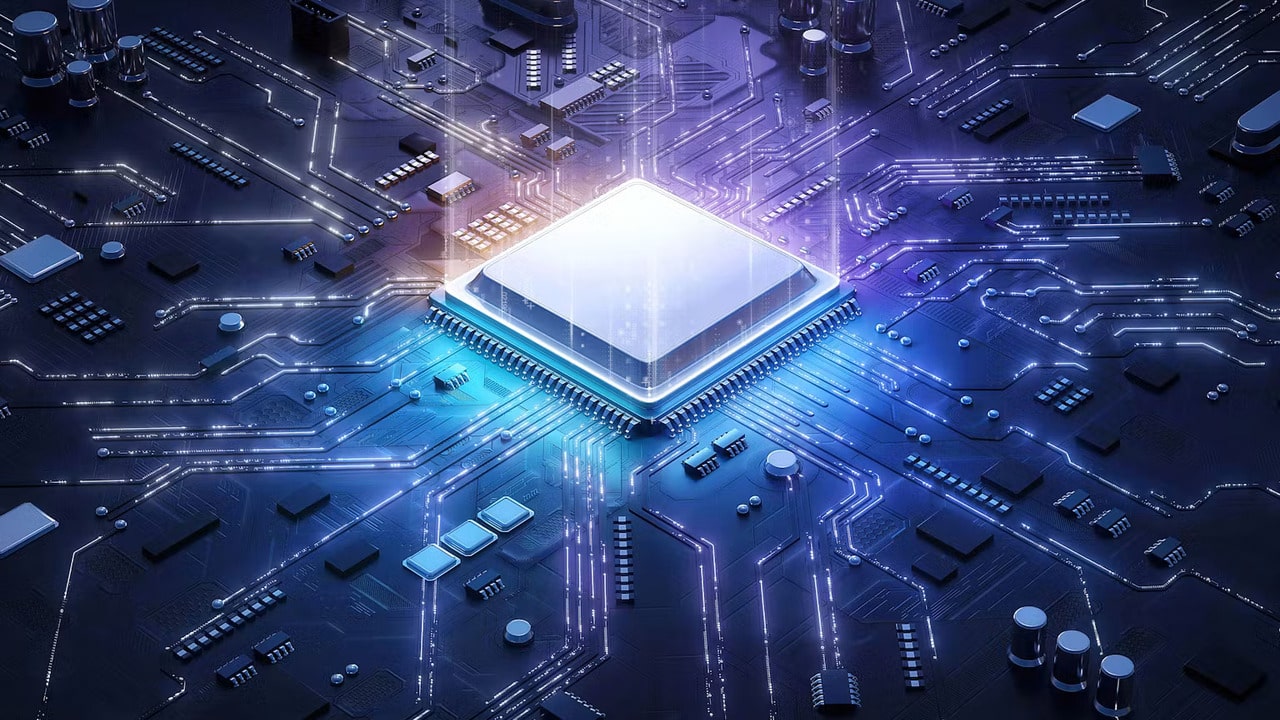
Precision engineering just redefined the baseline for digital architecture. Researchers have calibrated photonic computing chips to maintain three stable light states within a silicon device just 20 micrometers wide. This structural breakthrough utilizes light instead of electricity, which consequently reduces the thermal footprint of modern processing units. By harnessing the precision of light, scientists have created a system that operates on a mere 240 microwatts—less power than a standard laser pointer consumes.
Engineering Tristability in Photonic Computing Chips
Traditional digital systems rely on a binary “on and off” logic, restricted to 1s and 0s. However, this new research demonstrates a move toward “tristability,” where light remains stable in three distinct states. Furthermore, this advancement allows individual optical units to process more complex information simultaneously. Because these photonic computing chips utilize light rather than electric current, they operate with minimal heat and maximum efficiency.
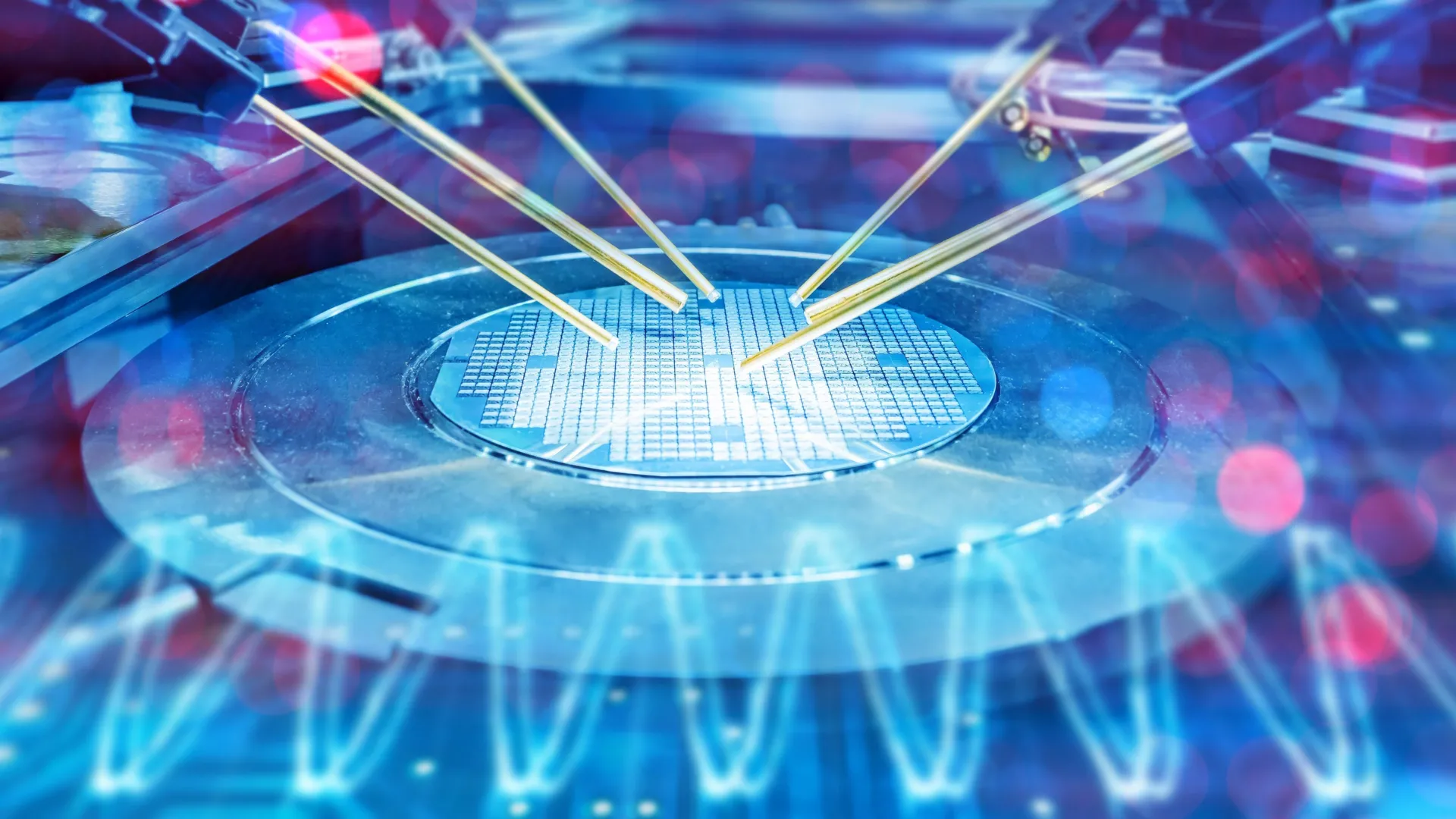
To achieve this, the team employed a strategic mechanism called near-exceptional-point coupling. By creating resonance modes within a tiny photonic crystal cavity, they forced light to interact with extreme intensity. Consequently, the cavity traps light effectively while exchanging energy with the outside environment. This delicate balance is the catalyst needed for light to maintain multiple stable states on a micro-scale.
Scaling Precision for Neuromorphic AI
The implications for optical neural networks are significant. These systems mimic the human brain’s architectural efficiency, known as neuromorphic computing. By integrating high-Q factor cavities that hold light for longer durations, researchers can build processors that handle high-intensity calculations with a fraction of the power. In contrast to traditional silicon chips, these optical systems do not suffer from the electrical resistance that typically limits processing speed.

The Situation Room Analysis
The Translation (Clear Context)
Current computers are like heavy machinery that generates heat as it works. Tristable photonic computing chips are more like a high-precision laser show where the light itself holds the data. Instead of just “Yes” or “No,” the system can store a third state, increasing data density without increasing size. This is not just a faster chip; it is a fundamentally different way of organizing information using the physics of light resonance.

The Socio-Economic Impact
For a country like Pakistan, where energy costs and grid stability are constant challenges, this technology represents a structural solution. Low-power computing reduces the operational costs of data centers and makes high-end AI tools more accessible to local startups and universities. Efficient photonic computing chips could democratize access to advanced processing power, allowing students and professionals to innovate without the burden of massive infrastructure overhead.
The Forward Path (Opinion)
This development represents a Momentum Shift. We are moving away from the brute-force scaling of electricity and toward the calibrated management of photons. While the current device is a prototype, the high quality-factor and low switching power prove that optical computing is no longer a theoretical concept. It is now a structural reality that will eventually define the next generation of global digital efficiency.








