OpenAI is strategically shifting its revenue generation model. Moving beyond basic subscription fees, the company actively explores diverse OpenAI monetization methods. These include licensing, profit-sharing, advertising, and outcome-based payments. This significant pivot aims to create more sustainable and impactful financial growth for the AI giant.
Outcome-Based Pricing: A New Horizon for OpenAI Monetization
Chief Financial Officer Sarah Friar has detailed an innovative model: OpenAI will earn revenue only when customers achieve measurable success. Under this progressive approach, the company could collect royalties or licensing fees directly tied to specific business outcomes. Consequently, this aligns OpenAI’s earnings with the actual value customers create.

For instance, if a pharmaceutical firm leverages OpenAI’s tools to develop a successful new drug, OpenAI could receive a percentage of the resulting sales. This model directly links their income to tangible customer achievements, fostering a true partnership.
OpenAI’s Flexible Business Approach and Expansion
Friar aptly described OpenAI’s multifaceted approach as a “Rubik’s Cube” of business models. This involves combining various technologies, pricing structures, products, and target markets. Initially, OpenAI operated with a narrow setup, relying on a single cloud provider and limited product offerings.

Today, the company operates across multiple partners, platforms, and diverse pricing structures. Furthermore, OpenAI has significantly expanded its offerings beyond consumer-focused tools. Its portfolio now includes:
- ChatGPT for individuals and businesses
- Sora for cutting-edge video generation
- Enterprise AI platforms tailored for corporate needs
- Industry-specific solutions addressing unique sector demands
- Advanced systems designed for complex scientific research
Moreover, OpenAI collaborates with numerous cloud providers and chip manufacturers. This strategy reduces dependence on any single partner, thereby increasing overall operational resilience and flexibility.
Computing Power: A Limit to Scaling AI Solutions
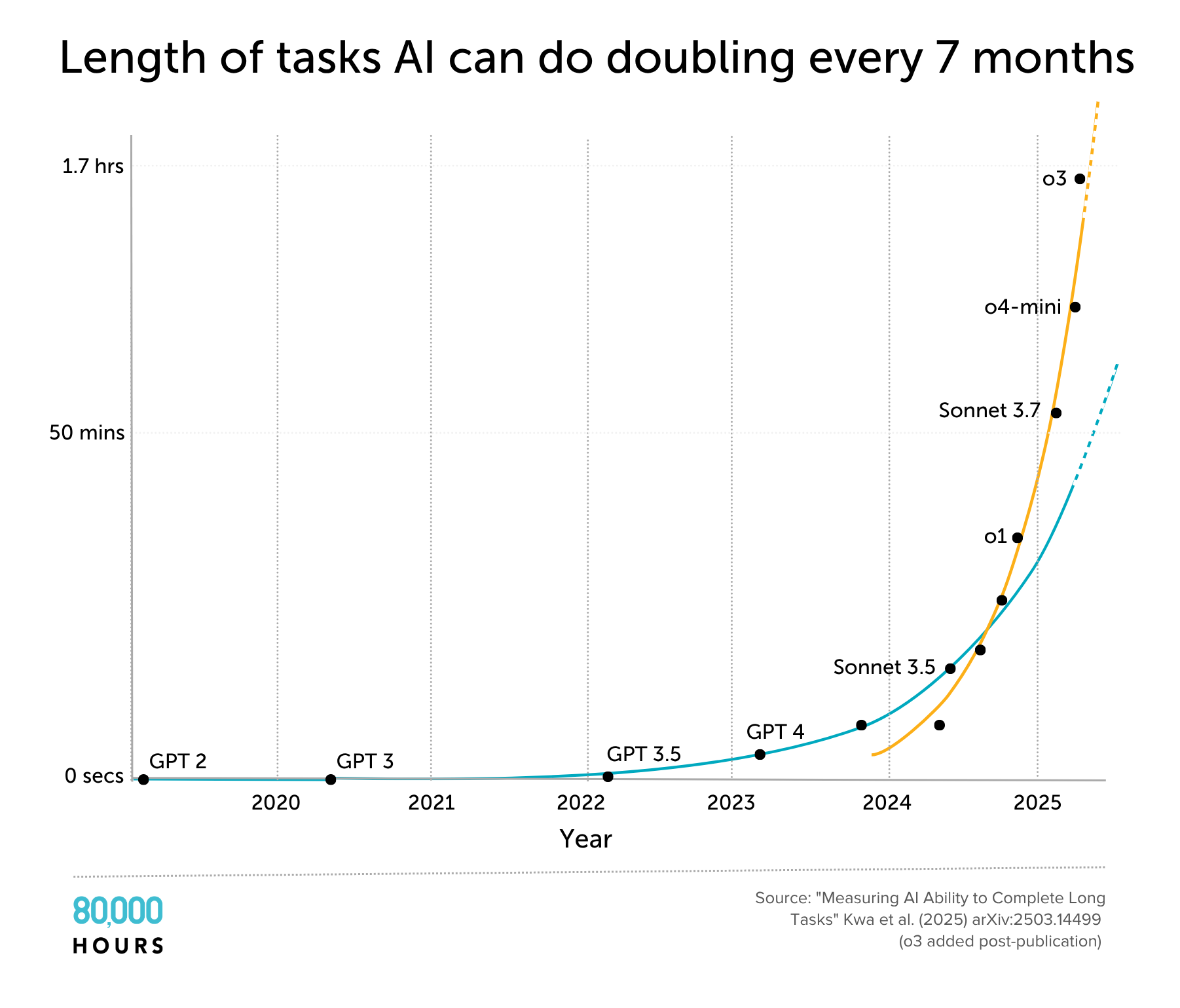
Demand for OpenAI’s innovative services remains consistently high. However, growth is currently limited by the available computing power. Remarkably, OpenAI’s revenue has surged nearly tenfold over the past two years, mirroring the expansion of its computing capacity.
To support future growth, OpenAI has proactively entered into large-scale infrastructure agreements. These include vital partnerships with industry leaders like Oracle and AMD. Such collaborations are crucial for scaling their ambitious revenue models.
The Road Ahead: Diversifying Revenue Streams
Looking to the future, OpenAI is actively testing advertising models for its free users. Additionally, the company is exploring various e-commerce features as part of its broader revenue diversification. Ultimately, OpenAI’s long-term objective is ambitious: to establish AI as a dependable, essential infrastructure, much like electricity.
These forward-thinking initiatives highlight the dynamic evolution of their strategies, promising a transformative future for AI.