
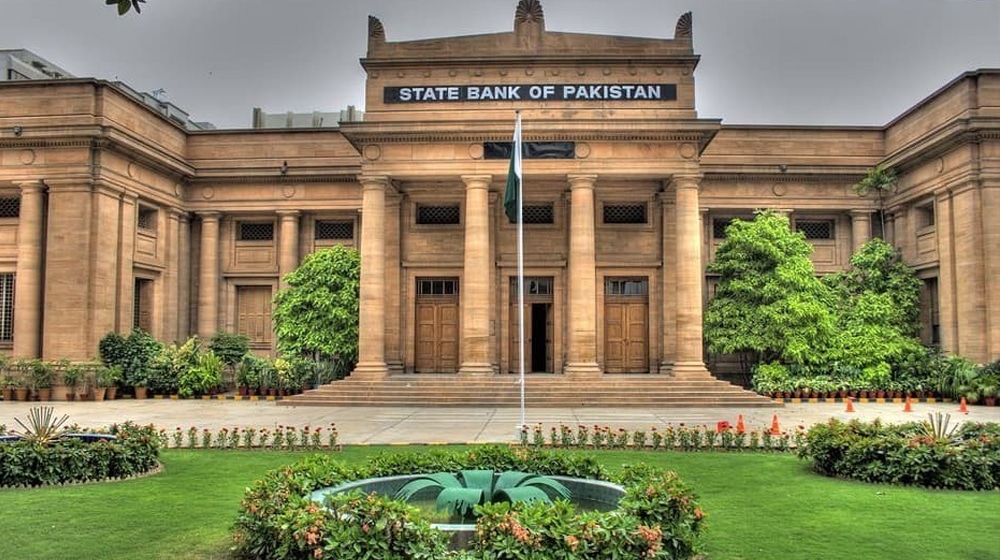
The State Bank of Pakistan (SBP) has strategically calibrated its monetary framework for the start of FY27 by maintaining the SBP policy rate at 11.5 percent. This decision reflects a precision-driven approach to navigate domestic stabilization against a backdrop of heightening global geopolitical risks. Consequently, the Monetary Policy Committee (MPC) aims to anchor headline inflation within the medium-term target of 5–7 percent while supporting a projected GDP growth of 3.5–4.5 percent.
Stabilizing the SBP Policy Rate Amid Global Volatility
The MPC unanimously opted for a “status quo” stance for the second consecutive session. This baseline strategy accounts for the recent moderation in core inflation, which reached 8.4 percent in June. Furthermore, the committee observed that Pakistan’s sovereign credit rating upgrade to ‘B’ by Standard & Poor’s signals a catalyst for improved investor sentiment. Specifically, the SBP’s foreign exchange reserves surpassed the $18 billion mark, bolstered by proactive market purchases and disciplined current account management.
The Real Sector: Catalysts for GDP Recovery
Economic activity is showing structural signs of recovery after a slowdown in the final quarter of FY26. High-frequency indicators, such as automobile sales and cement dispatches, suggest a positive momentum shift. Additionally, the agricultural sector anticipates a significant surge in sugarcane output. This agricultural precision is expected to offset declines in other crops, creating a secondary ripple effect that supports the services sector throughout the fiscal year.
External Buffers and Fiscal Discipline
Pakistan’s external account remains in a calibrated state of moderate pressure. The current account deficit for FY26 closed at a narrow $139 million, largely balanced by record-high workers’ remittances. Consequently, the SBP aims to scale its FX reserves to $20.20 billion by December 2026. On the fiscal front, the FBR successfully met its Rs. 13.0 trillion tax target, maintaining a primary surplus for the third year. This sustained fiscal consolidation is vital for neutralizing recurring economic shocks.
The Situation Room Analysis
The Translation (Clear Context)
The SBP is utilizing the SBP policy rate as a structural stabilizer. By holding the rate at 11.5 percent, the central bank is neither accelerating the economy too fast nor braking too hard. This “wait-and-see” approach is a calculated response to rising global oil prices and the IMF’s increased global inflation forecasts. Essentially, the bank is preserving its ammunition until the downward trend in domestic food prices becomes more permanent.
The Socio-Economic Impact
For the average Pakistani citizen, this decision implies a period of predictability. Interest rates for consumer financing and business loans will remain at current levels, preventing a sudden spike in debt servicing costs. For households, the focus on the 5-7 percent inflation target suggests that the rapid price hikes of previous years are being structurally suppressed. Students and young professionals can expect a stable environment for private sector credit, which typically catalyzes job creation in textiles and telecommunications.
The “Forward Path” (Opinion)
This development represents a Stabilization Move. While a rate cut would have been a “Momentum Shift” for rapid growth, the SBP’s decision to hold the line shows institutional maturity. Given the volatile climate in the Middle East and the uncertainty of El Niño’s impact on crops, prioritizing fiscal buffers over immediate expansion is the correct architectural choice for Pakistan’s long-term prosperity.








