
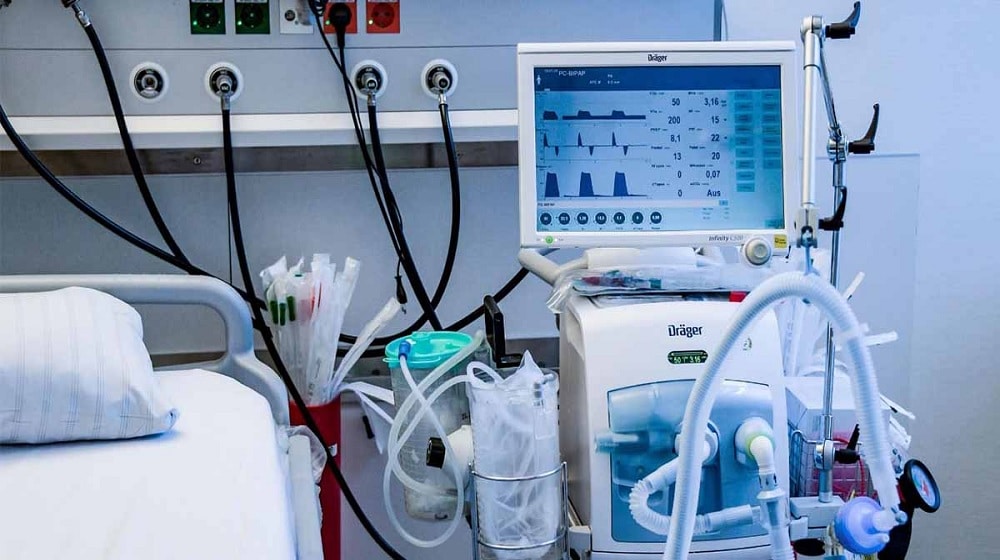
The current Islamabad ventilator shortage represents a calibrated crisis within Pakistan’s healthcare infrastructure. Public institutions like the Pakistan Institute of Medical Sciences (PIMS) and Polyclinic Hospital report nearly 100% occupancy of their Intensive Care Units (ICUs). Consequently, this systemic bottleneck forces administrators to manage a baseline of critically ill patients that exceeds current hardware capacity. This situation highlights a profound need for structural investment in life-saving technology.
Structural Realities at PIMS and Polyclinic
PIMS Executive Director Dr. Rana Imran Sikander confirmed that the hospital operates over 90 ventilators across various specialized units. However, patients often require these machines for extended periods, sometimes exceeding 20 days. These long-duration stays effectively freeze available resources for incoming emergencies. Furthermore, the hospital maintains a policy of never refusing patients, which forces staff to manage critically ill individuals within limited emergency care zones.
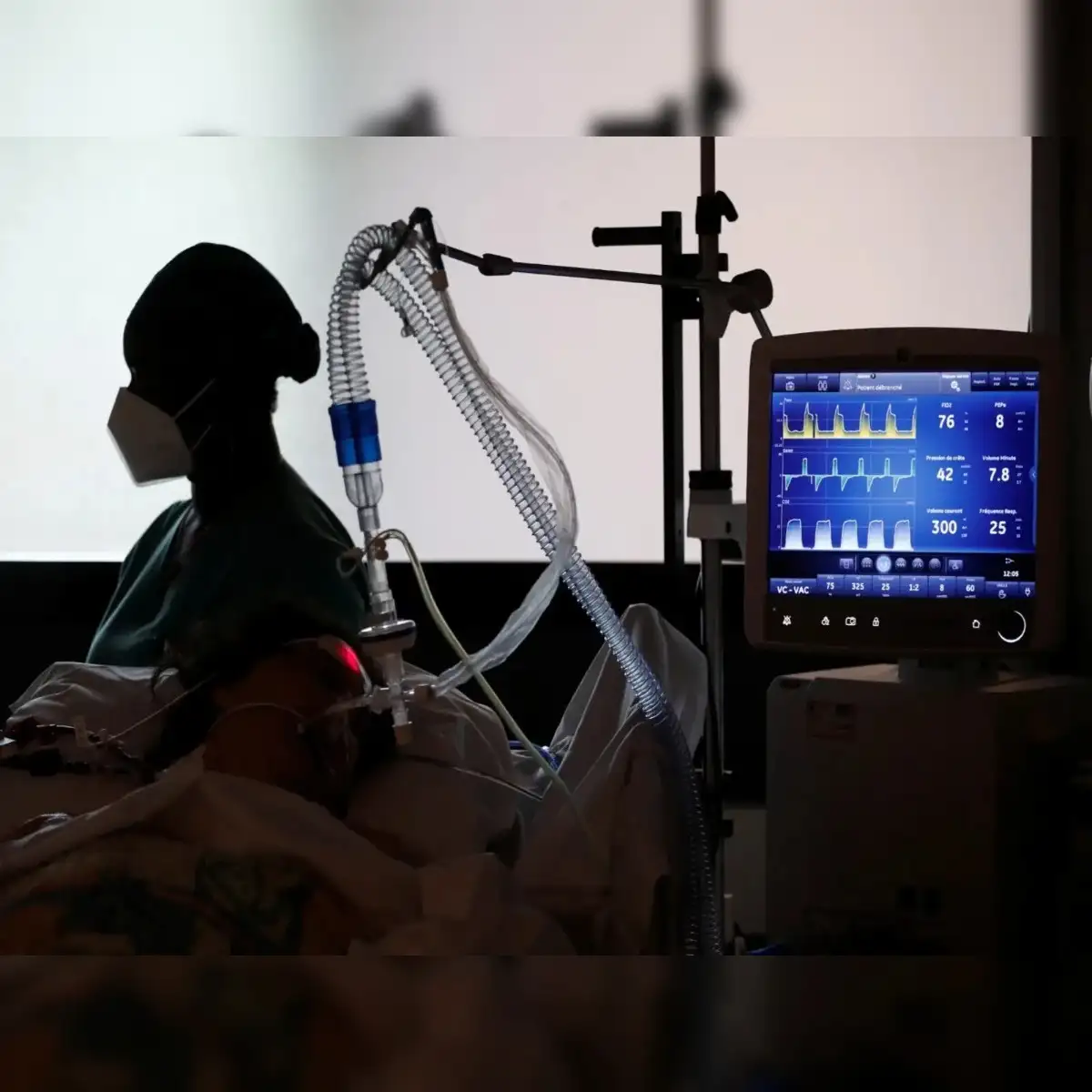
Polyclinic Hospital faces a similar trajectory with its 35 units remains constantly occupied. Spokesperson Dr. Abdul Jabbar Bhutto emphasized that hardware alone is not the solution. Precision healthcare requires trained human capital to operate these sophisticated systems. Therefore, the Islamabad ventilator shortage is as much a personnel deficit as it is an equipment crisis.
The High Cost of Private Alternatives
The economic pressure on the public sector intensifies as private healthcare costs soar. Currently, private treatment for a single patient can cost up to Rs 300,000 per day. This financial barrier acts as a catalyst, driving more families toward overstretched public wards. The recent death of journalist Abid Raza Kazmi at PIMS, following a reported lack of available ventilators, has renewed public scrutiny regarding the federal capital’s critical care readiness.
The Situation Room Analysis
The Translation
In technical terms, the healthcare system is experiencing “resource saturation.” When ICU beds reach 100% capacity for extended cycles (20+ days per patient), the system loses its ability to respond to new, acute shocks. The logic here is simple: without a dynamic “throughput” (the rate at which patients recover and exit), the waiting list becomes a permanent, stationary queue.
The Socio-Economic Impact
For the average Pakistani household, this shortage creates a lethal divide between affordability and survival. Families are often forced into a “financial collapse” to fund private care or must endure the high-risk uncertainty of public waiting lists. This systemic failure disproportionately impacts the middle and lower-income strata, who rely on the state for their fundamental right to life-saving intervention.
The Forward Path
This development is a clear indicator of a Stabilization Move rather than a growth phase. While hospitals are attempting to manage the load, the lack of trained staff and equipment suggests we are merely maintaining a failing baseline. To achieve a Momentum Shift, Pakistan must decentralize critical care, ensuring that regional hospitals can handle local ICU demand rather than funneling every case toward the federal capital.








