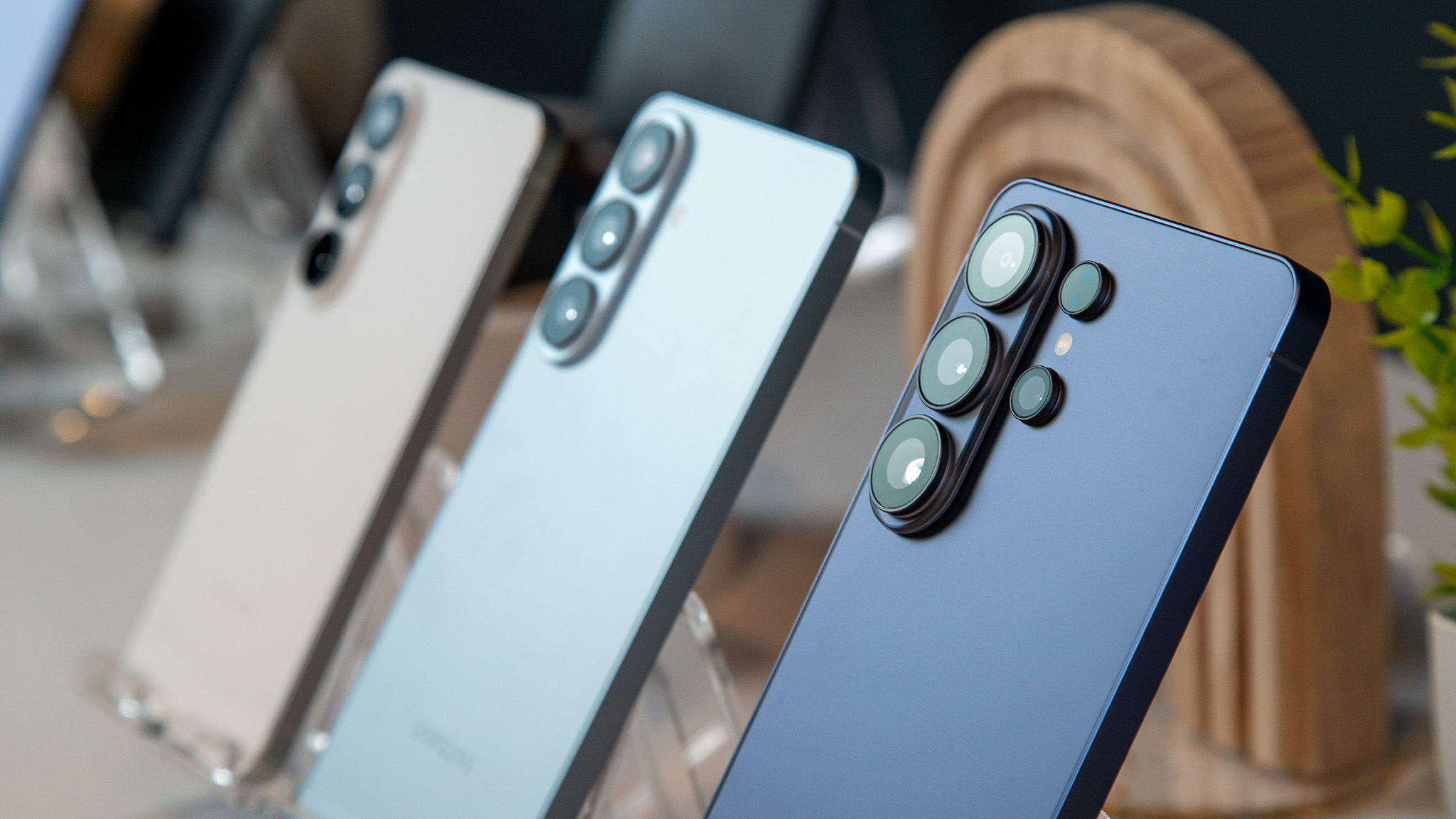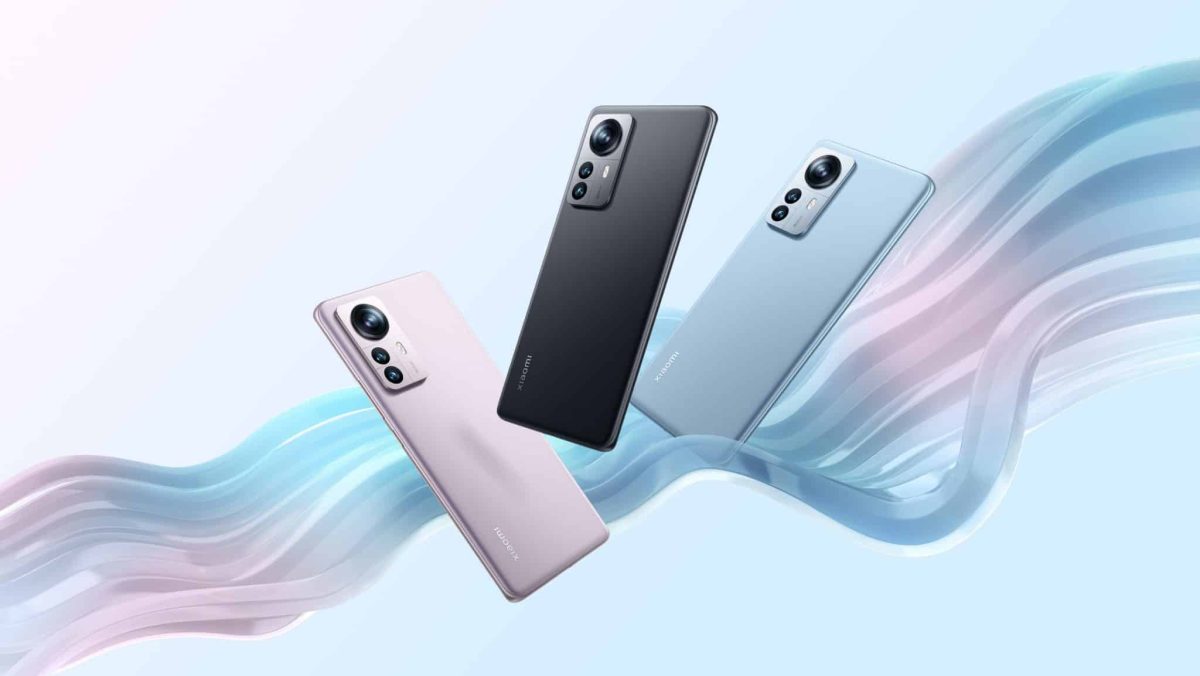
Technology lifecycles require a calibrated transition from active maintenance to legacy status. Xiaomi recently updated its End-of-Life (EOL) list, officially terminating Xiaomi software support for ten prominent devices across its flagship and mid-range portfolios. This strategic shift affects owners of the Xiaomi 12 series, POCO X5 variants, and the Pad 6 family, who will no longer receive routine security patches or HyperOS updates. Consequently, these devices have reached their final structural baseline for software integrity.
The Translation: Defining the End-of-Life Phase
In the STEM-driven ecosystem, “End-of-Life” signifies the cessation of manufacturer-led optimization. While your hardware remains functional, the digital perimeter—regular security updates—is effectively dismantled. Tech companies define this as a precision move to reallocate engineering resources to newer architectures. Although the device continues to operate, it becomes a static system. Essentially, newly discovered vulnerabilities will no longer receive fixes, leaving legacy users in a state of increased digital exposure.

Navigating the End of Xiaomi Software Support
The latest group entering the legacy phase includes high-performance tablets and precision-engineered smartphones. Owners of the following models should prepare for a static software experience:
- Xiaomi 12, 12 Pro, and 12S Ultra
- POCO X5 and POCO X5 Pro 5G
- Redmi K60E and Redmi 10 5G
- Xiaomi Pad 6, Pad 6 Pro, and Pad 6 Max
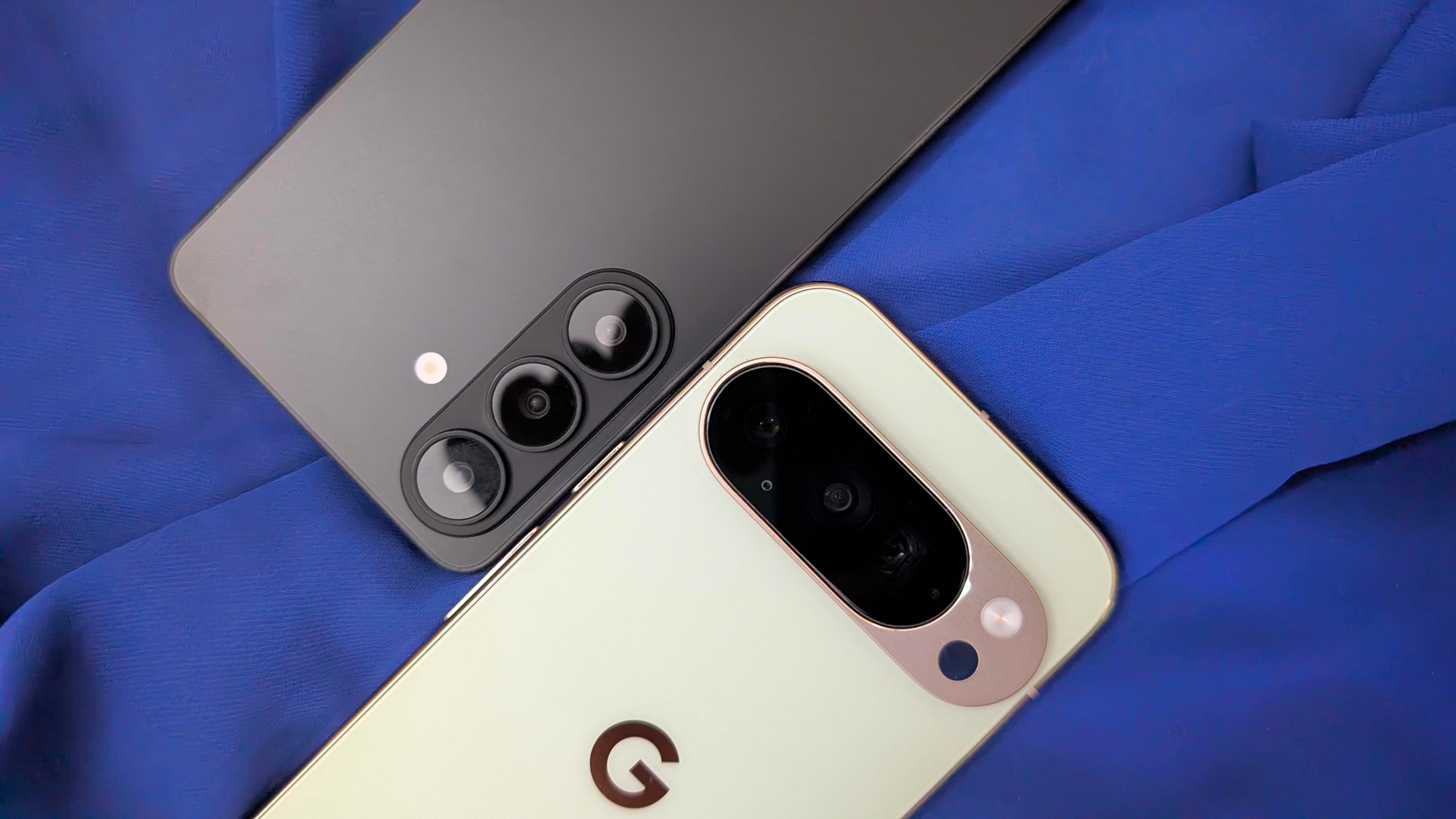
Notably, the Xiaomi 12S Ultra was once a catalyst for mobile photography innovation. Similarly, the entire Pad 6 family, which served as a structural hub for productivity, is now excluded from future HyperOS 4 advancements. These devices will miss the upcoming AI improvements and visual refinements calibrated for next-generation systems.
Socio-Economic Impact: The Pakistani Consumer Perspective
For the average Pakistani household, a smartphone is a multi-year financial investment rather than a disposable tool. The withdrawal of Xiaomi software support introduces a critical security risk for users who rely on banking applications like EasyPaisa or JazzCash. As financial institutions demand updated security certificates, these legacy devices may eventually lose access to essential fintech services. Consequently, this shift potentially forces an unplanned upgrade cycle for middle-class professionals and students who depend on secure digital access for daily transactions.
The Forward Path: A Momentum Shift in Longevity
This development represents a Momentum Shift in how we must perceive device procurement. While the end of support for the 12 series is a stabilization move for Xiaomi’s resources, it highlights a broader industry pivot toward longevity. Newer flagship models, such as the Xiaomi 15T Pro, now come with a commitment to six years of security updates. Therefore, the strategic takeaway for the Pakistani consumer is to prioritize software support duration over raw hardware specs during their next procurement phase. Precision in choosing supported hardware is now a baseline requirement for digital safety.