
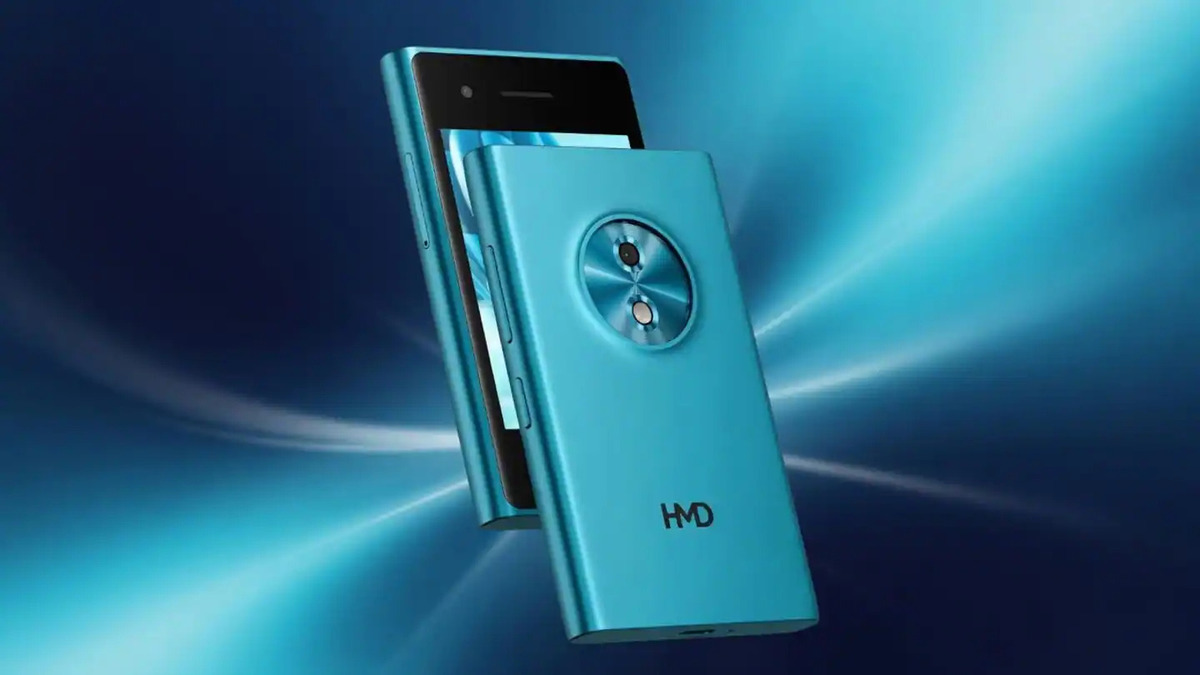
The global technological landscape requires architectural precision in device design, and the HMD Touch AI serves as a strategic catalyst for this shift. By integrating a nostalgic aesthetic with modern artificial intelligence, HMD has calibrated a device that prioritizes system efficiency over digital distraction. This compact powerhouse launched recently in China, signaling a pivot toward specialized, high-utility hardware.
Structural Design: The Lumia-Inspired Aesthetic
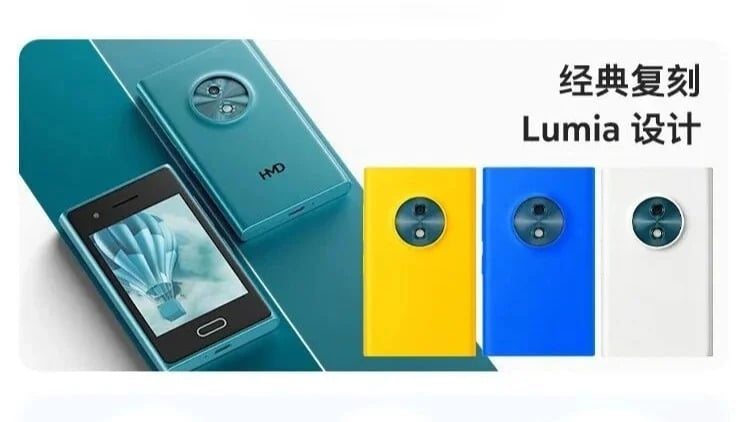
Engineers have meticulously modeled the HMD Touch AI after the iconic Nokia Lumia series. Consequently, the device features a vibrant cyan finish and a signature circular camera housing that reflects a legacy of durable design. The hardware includes a 3.2-inch touchscreen, providing a precision-focused interface for users who value portability.
Furthermore, the structural integrity is enhanced by interchangeable rear covers available in yellow, blue, and white. A programmable physical button sits atop the chassis, allowing for calibrated customization. Users can configure this catalyst for one-touch SOS access, ensuring immediate connectivity with emergency services during critical moments.
System Intelligence: Localized AI and Software Constraints
The HMD Touch AI operates on a closed software environment, a strategic move to eliminate the friction of modern social media distractions. Instead of generic applications, the system integrates ByteDance’s Doubao AI model. This localized intelligence facilitates real-time Chinese-English translation and advanced image recognition, making it a powerful study assistant.
In contrast to traditional smartphones, this device blocks short-video services and unauthorized third-party apps. It supports dual-SIM 4G, Wi-Fi, and VoLTE, ensuring that communication remain a baseline priority. Additionally, built-in Alipay support streamlines economic transactions without the overhead of complex operating systems.
Technical Specifications and Battery Life
The device houses a 1,950 mAh battery, optimized for the low-energy demands of its compact display. Charging is facilitated through a standard USB-C port, maintaining structural alignment with modern hardware norms. Both the front and rear house 2MP cameras, sufficient for basic imaging and QR code recognition.
| Feature | Specification |
|---|---|
| Display | 3.2-inch Touchscreen |
| AI Engine | ByteDance Doubao Model |
| Connectivity | 4G VoLTE, Wi-Fi, Hotspot |
| Battery | 1,950 mAh (USB-C) |
| Price | ~$69 |
The Situation Room Analysis
The Translation (Clear Context)
The HMD Touch AI is essentially a “Smart Dumb Phone.” While it looks like a classic Lumia, it replaces the chaos of the modern internet with functional AI. It uses the Doubao model to help students and professionals perform specific tasks—like translation or photo scanning—without the addictive pull of TikTok or Instagram.
The Socio-Economic Impact
For the average Pakistani citizen, such a device represents an affordable entry point into the AI economy. At approximately $69 (roughly PKR 19,000-20,000), it provides students in both urban and rural areas with a high-tech study tool that fits their budget. It effectively bridges the digital divide while protecting younger users from unregulated digital content.
The Forward Path (Opinion)
This development represents a Momentum Shift. By decoupling advanced AI from expensive, high-distraction flagship phones, HMD is proving that intelligence should be accessible and focused. We expect this trend of “Calibrated Connectivity” to influence future hardware strategies within Pakistan’s emerging tech sector.








