

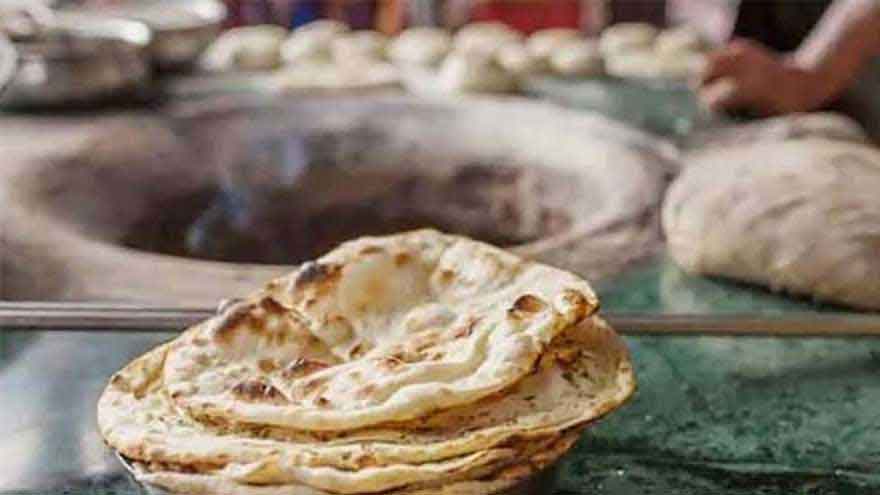
The current roti price dispute in Punjab represents a critical structural failure in balancing consumer subsidies with vendor sustainability. The Mutahida Nan Roti Association has officially threatened a state-wide shutdown of tandoors after failing to reach a calibrated agreement with the provincial administration. Consequently, nanbais are considering a complete suspension of plain roti sales, potentially pivoting their limited inventory toward higher-margin naan and khameeri variants to mitigate losses.
The Translation: Economic Stress on Micro-Enterprises
The administration currently mandates a retail price of Rs 14 for a 100-gram roti. However, the association argues this baseline fails to account for the precision required in modern cost management. Since the last price review, the costs of input variables—specifically flour, gas, and commercial rent—have surged significantly. Therefore, the demand for a Rs 25 price point is not merely a profit-seeking move but a strategic attempt to ensure the operational survival of the tandoor ecosystem.
The Socio-Economic Impact: Nutritional Stability at Risk
For the average Pakistani household, particularly in urban and rural Punjab, the tandoor serves as a vital nutritional catalyst. A complete shutdown would disrupt the daily caloric intake of millions of laborers and students who rely on affordable flatbread. If nanbais transition exclusively to naan, the cost of a basic meal will effectively double. This shift forces low-income families to reallocate their limited budgets, potentially reducing spending on education or healthcare to maintain food security.
The Forward Path: A Stabilization Move
This development represents a Stabilization Move rather than a momentum shift. The current standoff highlights the need for a more dynamic pricing model that tracks real-time inflation in energy and commodities. To prevent a systemic collapse, the government must explore targeted subsidies for nanbais or calibrate the official price to reflect the true cost of production. Without a structural resolution, the friction between administrative control and market reality will continue to threaten the breadbasket of the nation.








