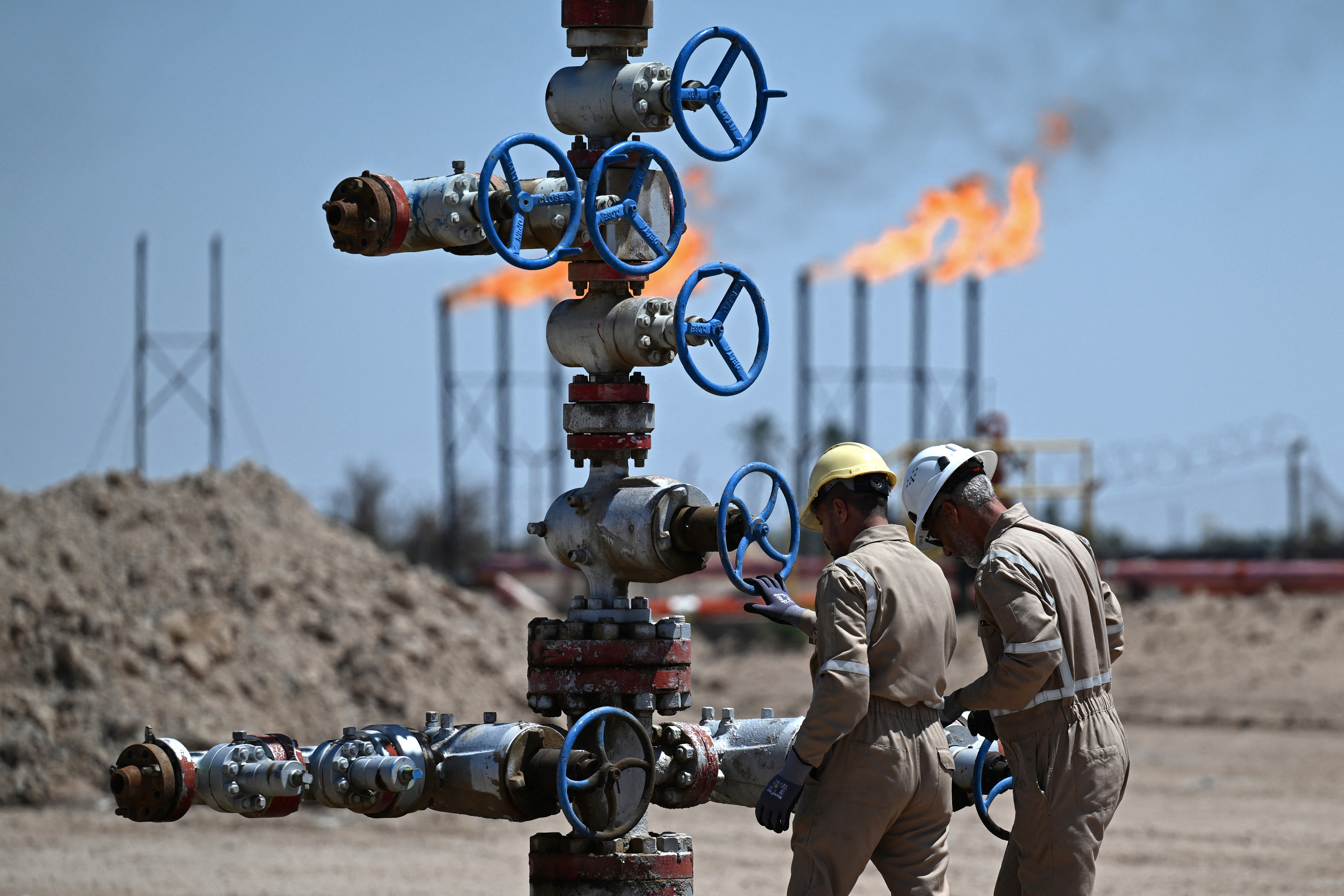
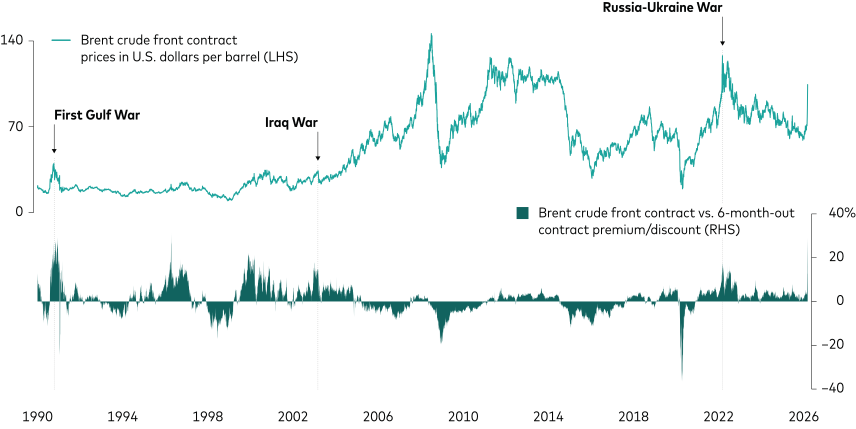
A structural shift in energy markets is imminent as global oil prices threaten to exceed historical baselines, driven by calibrated geopolitical risks. Russian envoy Kirill Dmitriev recently warned that the deteriorating situation in the Gulf could act as a catalyst for a massive “energy tsunami.” As Brent crude climbs above the $100 per barrel threshold, the global economy faces a potential crisis of unprecedented scale.
The Strategic Risks Behind Global Oil Prices
The current volatility stems from deep-seated instability within the Middle East, specifically targeting vital shipping corridors. Consequently, these disruptions threaten the precision of global supply chains. Dmitriev emphasizes that the acceleration of this “energy tsunami” reflects a market reacting to structural deficits in oil supply. Furthermore, the risk of export blockades adds a layer of complexity to an already fragile global energy baseline.
:max_bytes(150000):strip_icc()/GettyImages-2271225507-3cccc2e8053145238628ff8148f7ff86.jpg)
The Situation Room Analysis
The Translation: Decoding the Energy Tsunami
In “Next Gen” clarity, the term “energy tsunami” refers to a rapid, unstoppable surge in costs that overwhelms existing economic safeguards. This is not merely a price hike; it is a systemic shock. When global oil prices rise, the cost of generating power and transporting goods increases exponentially. Markets are no longer just speculating; they are bracing for a fundamental breakdown in traditional energy distribution logistics.

The Socio-Economic Impact: Precision at the Pump
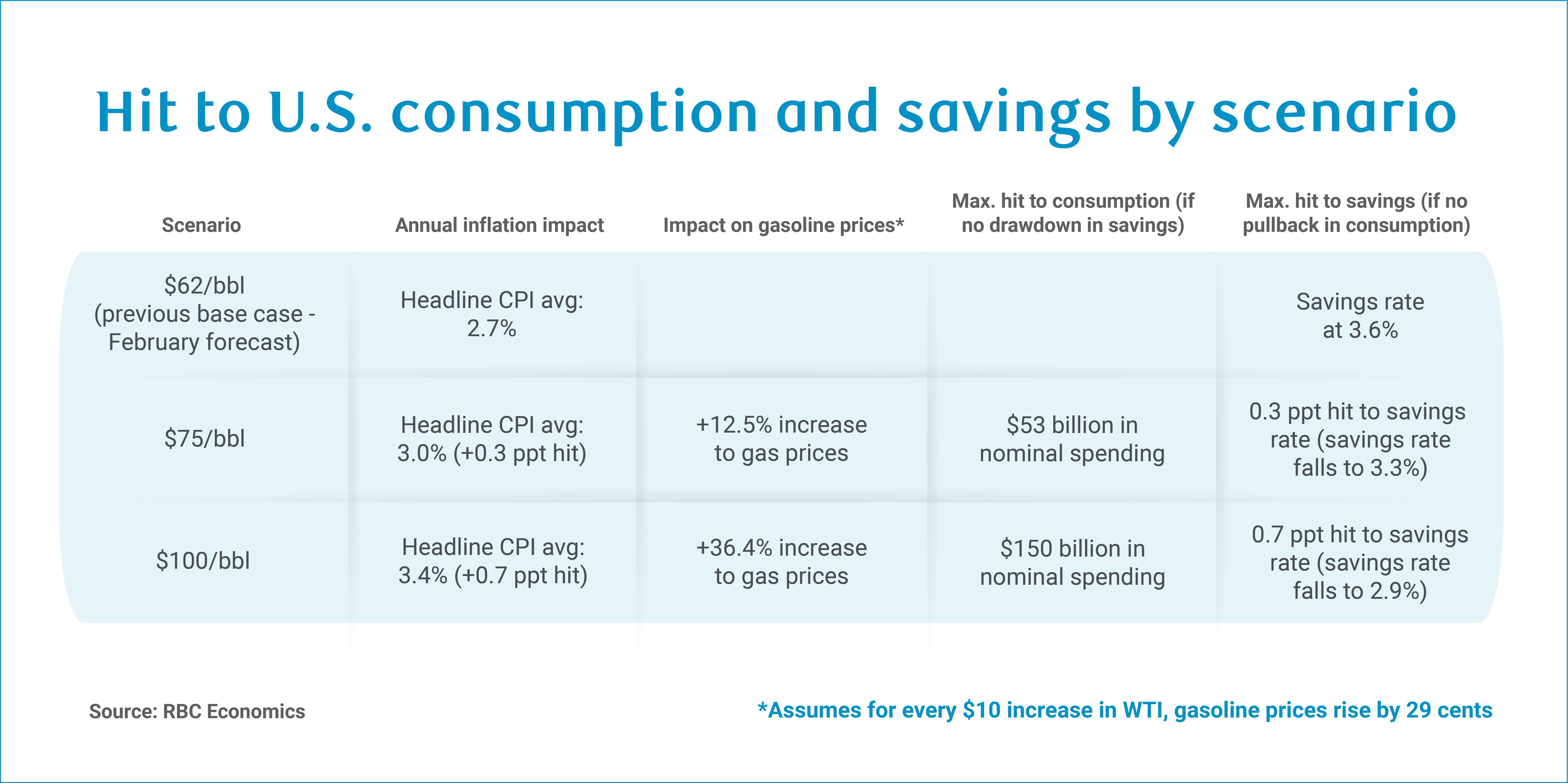
For the average Pakistani citizen, this development translates directly into increased household pressure. High oil prices act as a regressive tax, disproportionately affecting the following areas:
- Logistics and Transport: Higher fuel costs lead to immediate spikes in public transport fares and freight charges for essential goods.
- Food Inflation: As transportation becomes more expensive, the “farm-to-fork” cost of produce rises, straining urban and rural budgets.
- Industrial Output: Manufacturing sectors reliant on oil-based energy will see narrowed margins, potentially slowing job growth for professionals.
The Forward Path: Momentum Shift or Maintenance?
This development represents a significant Momentum Shift toward high-volatility economic environments. We are moving away from a period of relative stability into a phase where energy security determines national advancement. To maintain progress, Pakistan must accelerate its transition toward energy efficiency and diversified power sources. Relying on calibrated structural reforms is no longer an option but a necessity to survive the impending energy tsunami.