
Canada’s calibrated adjustment to the TFWP wage thresholds signals a structural refinement in how the nation integrates global talent. Effective July 17, 2026, the Canadian government increased these benchmarks by an average of 4%. This revision directly impacts the Labour Market Impact Assessment (LMIA) process for all prospective international employees. Consequently, employers must now navigate a more precise salary baseline to determine if a position qualifies for the High-Wage or Low-Wage stream.
The Translation: Understanding the 4% Calibration
The logic behind this update is rooted in maintaining economic equilibrium within the Canadian labor market. The TFWP wage thresholds serve as the primary filter for LMIA applications. If a job offer meets or exceeds the specific provincial threshold, it falls under the High-Wage stream. However, positions offering less than this new benchmark are relegated to the Low-Wage stream. This distinction is critical because the Low-Wage stream involves more rigorous administrative hurdles and restrictive quotas for employers.
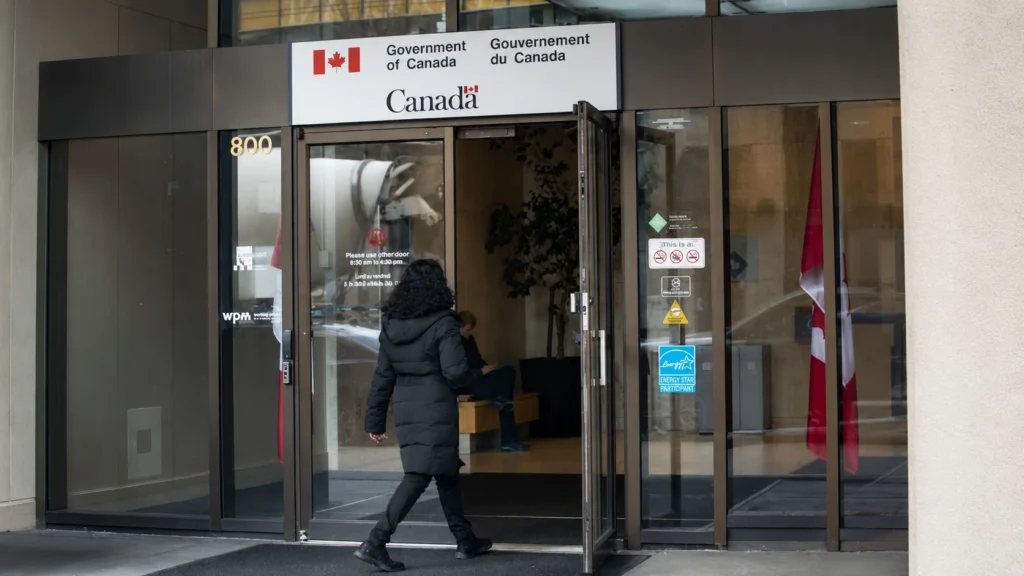
Furthermore, the government strictly mandates that salaries must reflect actual market rates. Employers cannot artificially inflate wages simply to bypass the Low-Wage stream’s restrictions. If authorities detect that a salary increase is not aligned with local economic data, the LMIA application will likely face a negative decision. Precision in reporting is now a baseline requirement for successful labor integration.
The Socio-Economic Impact: Effects on Pakistani Citizens
For Pakistani professionals and skilled workers, these revised TFWP wage thresholds represent a double-edged sword. On one hand, the policy ensures that those who secure High-Wage positions are compensated at a higher, more competitive rate. This increase potentially enhances the financial stability of Pakistani households relying on foreign remittances. Conversely, the higher entry barrier may push many entry-level or service-sector roles into the more restricted Low-Wage stream.

Strategic career planning is now essential for Pakistani applicants. Prospective workers must target high-demand sectors where market rates naturally exceed the new thresholds. Consequently, students and professionals in Pakistan should focus on specialized certifications that command premium salaries in the Canadian market. Navigating this shift requires a data-driven approach to migration and career development.
The Forward Path: A Stabilization Move
This policy update is clearly a stabilization move intended to protect the internal labor market while ensuring fair compensation for foreign talent. By raising the TFWP wage thresholds, Canada is incentivizing employers to prioritize local hiring or offer truly competitive wages to international recruits. This creates a more disciplined system that prevents the exploitation of foreign labor through sub-market wages.

Ultimately, this development represents progress toward a more efficient and transparent migration framework. While the immediate transition may seem restrictive for some employers, the long-term impact will be a more resilient and high-performing workforce. For Pakistan, this is a call to elevate our skill sets to meet the rising global standards of economic productivity.