
National progress depends on the precision and health of our youth’s cognitive faculties. New architectural data from neuro-imaging research identifies marijuana as a primary brain aging drug, surpassing alcohol in its capacity to degrade neural efficiency. Dr. Daniel Amen’s findings indicate that this substance serves as a catalyst for premature aging, ranking second only to schizophrenia in structural brain impact.
Quantifying the Impact of This Brain Aging Drug
Psychiatrist and brain imaging specialist Dr. Daniel Amen calibrated his findings using over 62,000 scans. His data suggests that marijuana users face a systemic risk that many overlooks. Specifically, young users experience a 450 percent higher risk of developing psychosis later in life. Consequently, the drug ranks as the second biggest factor associated with accelerated brain aging.

Mechanistically, the drug dulls and slows down nerve cell firing. While this may temporarily mitigate anxiety for an overactive mind, the long-term structural cost is significant. Dr. Amen noted that the substance damages the very structure of neurons. Therefore, the “calming” sensation is merely a byproduct of reduced neural functionality.

The Translation: Decoding Neural Decay
In “Next Gen” clarity, the logic is simple: the brain is a high-performance engine that requires precise electrical firing. Marijuana acts like a governor that permanently lowers the engine’s RPM. While an anxious person might appreciate the “slow down,” they are effectively degrading their brain’s processing power. This brain aging drug disrupts the baseline of cognitive development, leading to a permanent shift in mental health stability.
- Structural Damage: Direct degradation of neuronal architecture.
- Mental Health Trajectory: Increased likelihood of depression and suicidal behavior in the 20s.
- Accelerated Decay: Faster cognitive decline compared to chronic alcohol consumption.
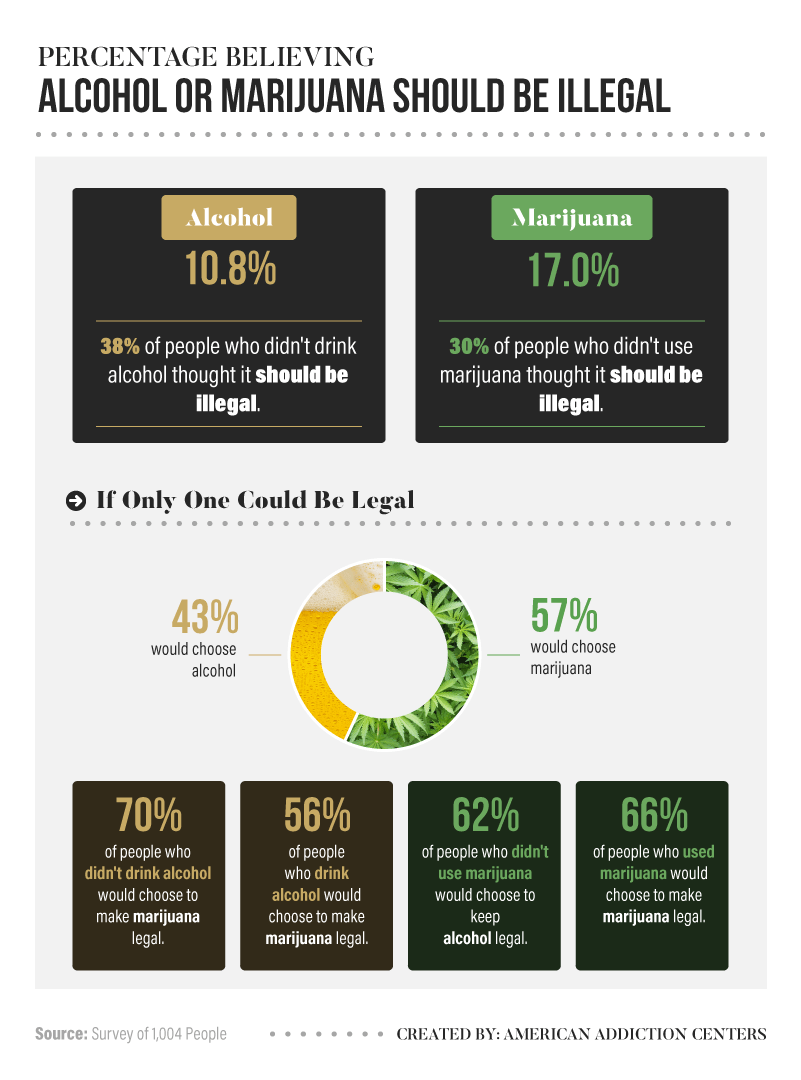
The Socio-Economic Impact
How does this change the daily life of a Pakistani citizen? Our nation’s future relies on a “youth bulge” that must remain competitive in a global STEM economy. If a significant portion of our students and young professionals utilize this brain aging drug, we face a collective decline in innovation and problem-solving capacity. For households, this manifests as increased medical costs and decreased earning potential for young adults struggling with induced anxiety or psychosis.

The Forward Path: A Stabilization Move
This development represents a Stabilization Move. While the research is not yet a universal scientific consensus, the sheer volume of 62,000 brain scans provides a calibrated baseline that we cannot ignore. We must shift our national narrative. Marijuana is not a “safe” alternative to alcohol; rather, it is a sophisticated threat to neuro-biological longevity. Precision in public health education is the only catalyst for protecting our national human capital.