National stability relies on calibrated diplomatic precision. The federal government has officially appointed senior diplomat Ali Asad Gilani as Pakistan’s new Ambassador to China, a move that signifies a strategic recalibration of Islamabad’s most critical bilateral corridor. This appointment follows the conclusion of Khalil Hashmi’s three-year tenure in Beijing, marking a structural transition in the oversight of the China-Pakistan Economic Corridor (CPEC) and regional security frameworks.
The Strategic Transition: Ali Asad Gilani’s Profile
Ali Asad Gilani brings a wealth of calibrated experience to this vital role. He currently serves as the Additional Secretary for Asia-Pacific at the Ministry of Foreign Affairs. Previously, he served with distinction as Pakistan’s ambassador to Uzbekistan and held the position of Additional Secretary for West Asia. Consequently, his movement into the Beijing office ensures that Pakistan maintains a sophisticated baseline of diplomatic expertise during a period of global economic shifts.

China remains one of Pakistan’s closest strategic and economic partners. Bilateral cooperation currently spans trade, investment, defense, and the massive infrastructure projects under CPEC. Gilani’s appointment comes at a time when both nations seek to deepen these ties across multiple sectors of the digital and physical economy.
The Translation: Why Diplomatic Continuity Matters
In the realm of international relations, an Ambassador to China is not merely a representative; they are the lead architect of a nation’s foreign policy on the ground. By selecting a career diplomat with specific expertise in Asia-Pacific affairs, Pakistan is signaling a shift toward technocratic diplomacy. This ensures that the technical complexities of CPEC projects and multi-sectoral investments receive high-level precision and ministerial-level oversight directly in Beijing.

The Socio-Economic Impact: Benefits for the Pakistani Citizen
Strategic stability with China directly influences the pace of infrastructure development and energy security. A more efficient diplomatic presence in Beijing accelerates the resolution of trade barriers. For the average Pakistani citizen, this means smoother pathways for national exports and potential growth in industrial cooperation. Furthermore, this stabilization of the economic corridor fuels thousands of local jobs in construction, logistics, and technology sectors across both urban and rural areas.
The Forward Path: A Momentum Shift for CPEC
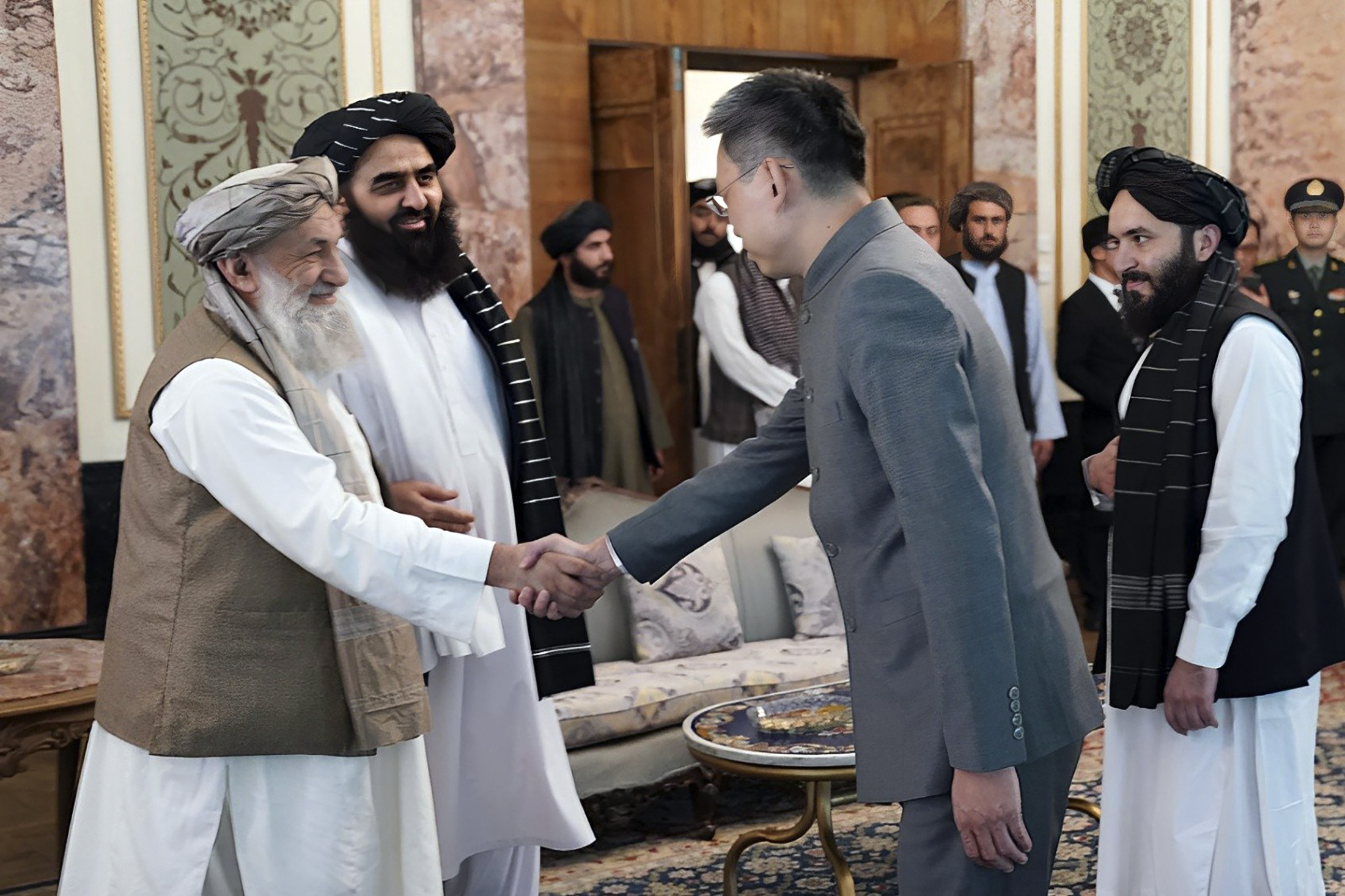
This appointment represents a Momentum Shift. Transitioning from the established tenure of Khalil Hashmi to the Asia-Pacific expertise of Ali Asad Gilani suggests that Pakistan is preparing for the next phase of CPEC. It is a proactive move designed to capitalize on regional trade integration. To maximize this catalyst, the new Ambassador must focus on broadening the bilateral relationship beyond state-level defense into private-sector technological exchange and precision manufacturing.