

Samsung is recalibrating its manufacturing baseline for the upcoming Galaxy Unpacked event. Recent supply chain data indicates a strategic pivot toward the Galaxy Z Fold8 Wide, signaling a calculated move to dominate the high-efficiency smartphone market. Consequently, the production targets suggest a massive shift in consumer expectation for foldable form factors.
Optimizing the Galaxy Z Fold8 Wide Production Targets
The latest supply chain reports confirm that Samsung set a production target of approximately 2.8 million units for the Galaxy Z Fold8 Wide. In contrast, the company allocated 2 million units for the Ultra variant and 1.5 million for the Z Flip8. This distribution highlights a precision-led strategy to meet the rising demand for wider aspect ratios.

Initially, Samsung planned balanced volumes across the lineup. However, data analysts adjusted these figures because the wider model offers a superior tablet-like experience. The 4:3 aspect ratio serves as a catalyst for professional productivity, moving away from the narrow screens of previous generations.
Strategic Specs and Market Competition
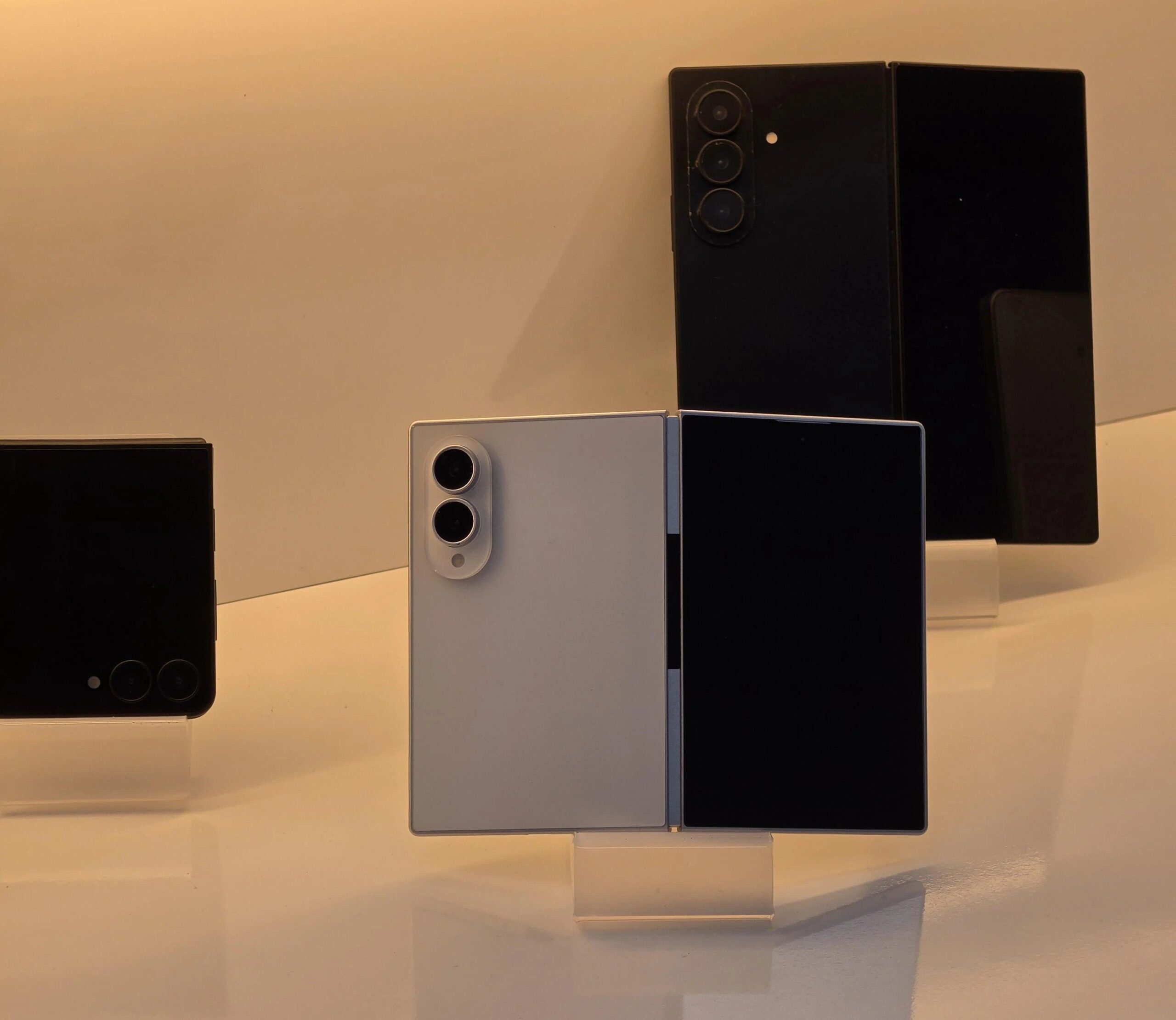
Samsung is positioning the Galaxy Z Fold8 Wide as a direct structural response to rumored competition from Apple. By utilizing a 4:3 aspect ratio, Samsung matches the rumored specifications of future foldable iPhones. Furthermore, the device will likely feature the Snapdragon 8 Elite Gen 5 for Galaxy chipset to ensure maximum system efficiency.
- Inner Display: 7.6-inch high-resolution panel.
- Cover Screen: 5.5-inch wider interface.
- Battery: 4,800mAh capacity for extended uptime.
- Processor: Snapdragon 8 Elite Gen 5.
The Translation
Samsung is essentially merging the portability of a phone with the utility of a tablet. By widening the chassis, they solve the “narrow screen” fatigue that many foldable users reported. This move translates technical engineering into a more ergonomic and functional tool for digital architects and professionals.
The Socio-Economic Impact
For the Pakistani workforce, particularly those in the tech and gig sectors, this device acts as a portable workstation. A wider screen allows for precise document editing and seamless multitasking in urban environments. This shift reduces the hardware footprint for professionals, potentially lowering the barrier to high-level productivity on the move.
The Forward Path
This development represents a Momentum Shift. Samsung is not just maintaining its lead; it is aggressively redesigning the foldable baseline to preempt Apple’s market entry. The decision to prioritize the “Wide” model shows a disciplined focus on what power users actually need—surface area and processing power.








