
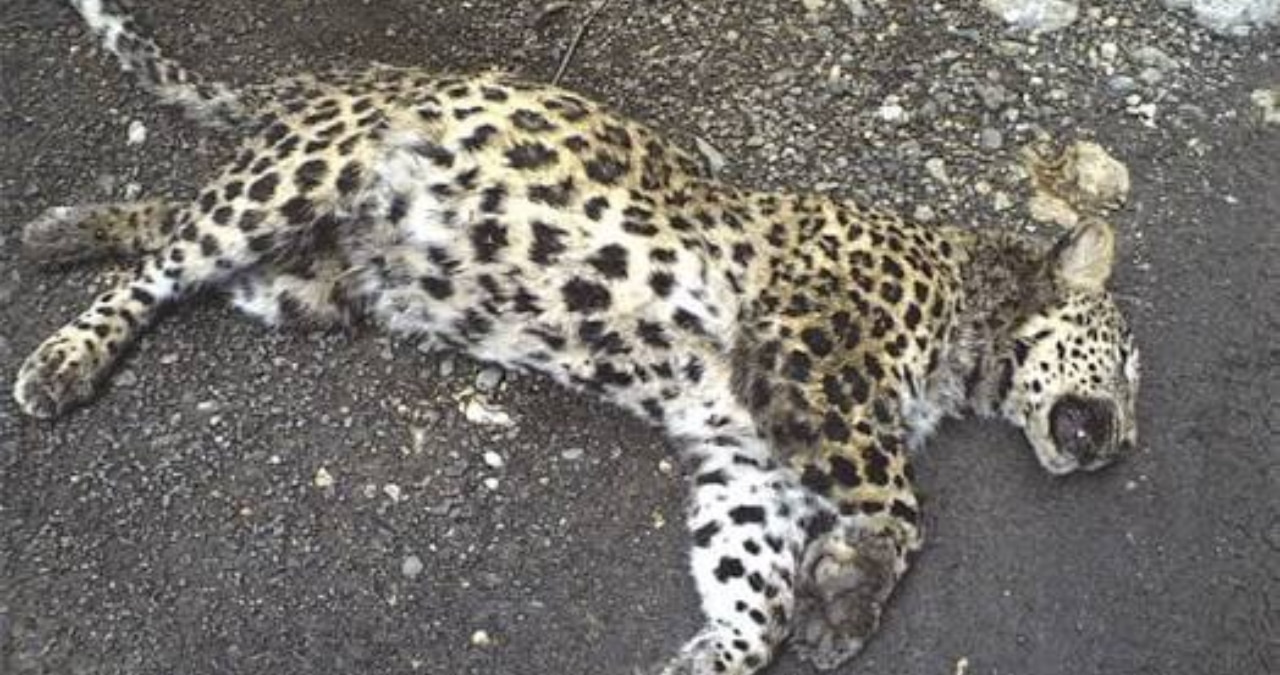
The structural balance between human expansion and ecological preservation requires a calibrated approach to protected leopard conservation. Consequently, the recent killing of a leopard in Bajaur by local residents signals a critical breakdown in our wildlife management baseline. While the Khyber Pakhtunkhwa Wildlife Department has initiated legal proceedings against the perpetrators, the incident highlights a recurring systemic failure in managing human-wildlife boundaries.
The Anatomy of Human-Wildlife Conflict
In the Speen Mundgaon area of Wara Mamond tehsil, residents reported multiple leopard attacks on livestock over several days. These incidents resulted in significant financial losses and widespread panic within the community. Consequently, the residents tracked and killed the animal to neutralize the perceived threat. However, this reactionary measure violates the structural laws designed to protect endangered species in the region.
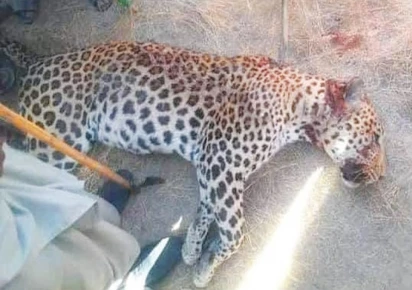
Environmental experts identify several catalysts for this increasing friction, including:
- Shrinking forest cover: Rapid deforestation reduces the natural baseline for wildlife.
- Habitat loss: Expanding human settlements encroach upon traditional hunting grounds.
- Prey scarcity: A decrease in natural prey animals forces leopards to target domestic livestock.
- Infrastructure expansion: New roads and buildings segment wildlife corridors.
Why Protected Leopard Conservation is Non-Negotiable
The common leopard is classified as a protected species under Khyber Pakhtunkhwa wildlife laws. Therefore, killing these animals is a punishable offense that carries heavy legal penalties. The Wildlife Department is currently utilizing precision forensic evidence, including digital media, to identify those involved in the Bajaur incident. Similar strategic enforcement is already underway in Darra Adam Khel and Kurram district to deter further illegal killings.

The Situation Room Analysis
The Translation (Clear Context)
The legal framework treats the leopard not just as an animal, but as a critical component of the ecological system. When residents kill a predator, they disrupt the biological control of other species, which can lead to even greater agricultural damage in the long term. The law mandates “safe capture and relocation” because killing a protected species is a permanent loss to the nation’s natural capital, whereas relocation preserves the asset while removing the immediate risk.
The Socio-Economic Impact
For the average Pakistani citizen in rural districts, this conflict represents a direct threat to economic stability. Livestock often constitutes the primary financial asset for these households. Furthermore, the lack of a rapid-response mechanism from the state creates a vacuum where residents feel forced to choose between legal compliance and financial survival. In urban sectors, these incidents signal a degrading environment that eventually impacts water cycles and climate stability for all citizens.
The Forward Path (Opinion)
This development represents a Stabilization Move rather than a momentum shift. While the Wildlife Department is correctly enforcing the law, the approach remains reactive. A true momentum shift would involve a proactive, strategic compensation fund for livestock owners and the establishment of “Rapid Response Units” in high-conflict zones. Until we calibrate our urban expansion to respect wildlife corridors, we are simply managing the symptoms of a structural ecological decline.








