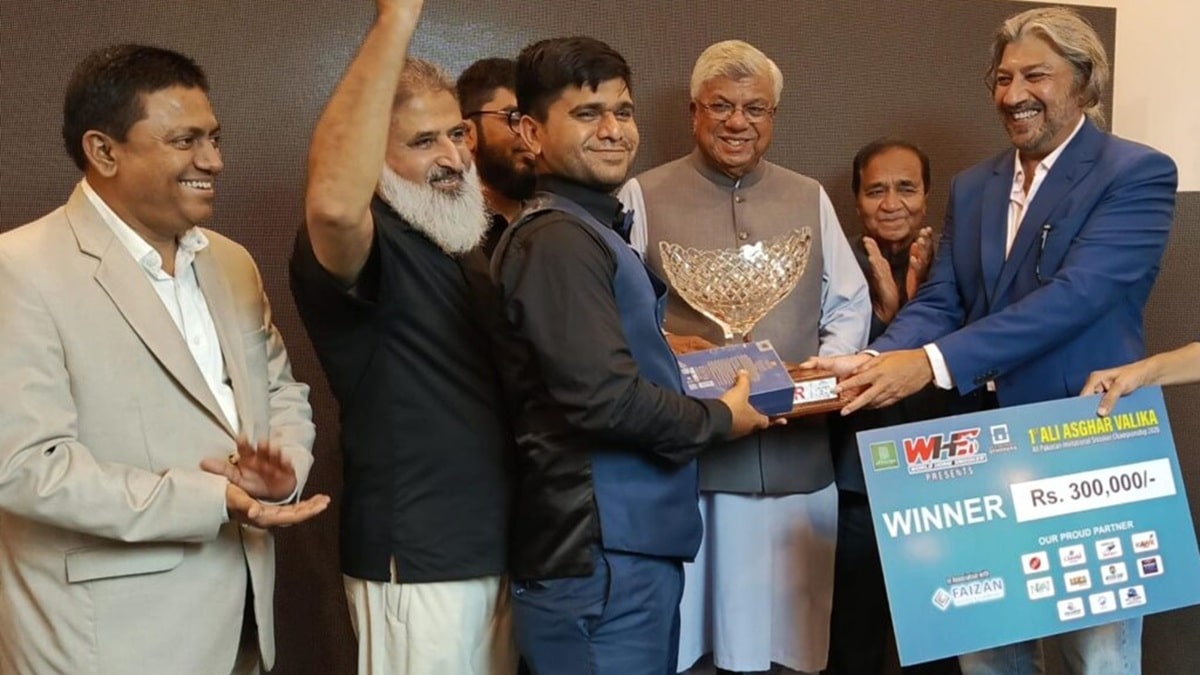
Pakistan’s athletic landscape is witnessing a structural evolution, evidenced by the high-precision performance at the inaugural Ali Asghar Valika All-Pakistan Snooker Championship. Punjab’s Rana Irfan emerged as a catalyst for excellence, securing the prestigious Pakistan Snooker Title after a grueling 4-3 victory against Mubashir Raza. This victory highlights a calibrated shift toward professionalized sports management in the region, providing a high-density summary of talent and tactical discipline.
Analyzing the Path to the Pakistan Snooker Title
Rana Irfan delivered an exceptional display of mental fortitude under intense competitive pressure. During the second frame, he recorded a remarkable break of 139, which ultimately stood as the highest break of the entire tournament. Consequently, his precision allowed him to maintain a baseline of dominance even as Mubashir Raza mounted a aggressive comeback to force a seventh frame.
In the deciding moment, Irfan produced a match-winning break of 126. This technical masterclass secured the championship and solidified his reputation as a top-tier competitor. Furthermore, his achievement generated significant interest from several snooker enthusiasts, resulting in additional cash rewards beyond the official prize pool.
Institutional Support and Recognition
The closing ceremony at Naya Nazimabad featured PIA Chairman Arif Habib as the chief guest. Habib presented the trophies and announced an additional cash prize of Rs. 300,000 for Irfan. During his address, he reaffirmed his commitment to the structural development of sports across Pakistan. Additionally, he paid tribute to the late Ali Asghar Valika, describing his contributions to the sport as a foundational pillar for current successes.
- Champion: Rana Irfan (Punjab)
- Runner-up: Mubashir Raza
- Highest Break: 139 (Rana Irfan)
- Key Venue: Naya Nazimabad Gymkhana
The Translation
This tournament represents more than a local competition; it is a strategic baseline for identifying high-performance talent under psychological pressure. Rana Irfan’s performance—specifically his century breaks—demonstrates a technical mastery that bridges the gap between domestic capability and international standards. By integrating private sector sponsorship with competitive snooker, the event organizers have created a sustainable model for merit-based advancement.
The Socio-Economic Impact
For the average Pakistani citizen, the revitalization of snooker serves as a structural incentive for youth development. High-profile wins like Irfan’s, supported by substantial cash prizes from the private sector, transform sports from a simple hobby into a viable professional career path. This development encourages local investment in community centers, potentially reducing urban delinquency by providing disciplined avenues for extracurricular excellence for students and professionals alike.
The Forward Path
This event represents a Momentum Shift. The involvement of leadership like Arif Habib indicates a renewed institutional commitment to sports diplomacy and talent scouting. To maintain this trajectory, Pakistan must now scale this model beyond urban centers, ensuring that the precision-driven infrastructure of snooker reaches rural talent pools to foster national unity through athletic achievement.