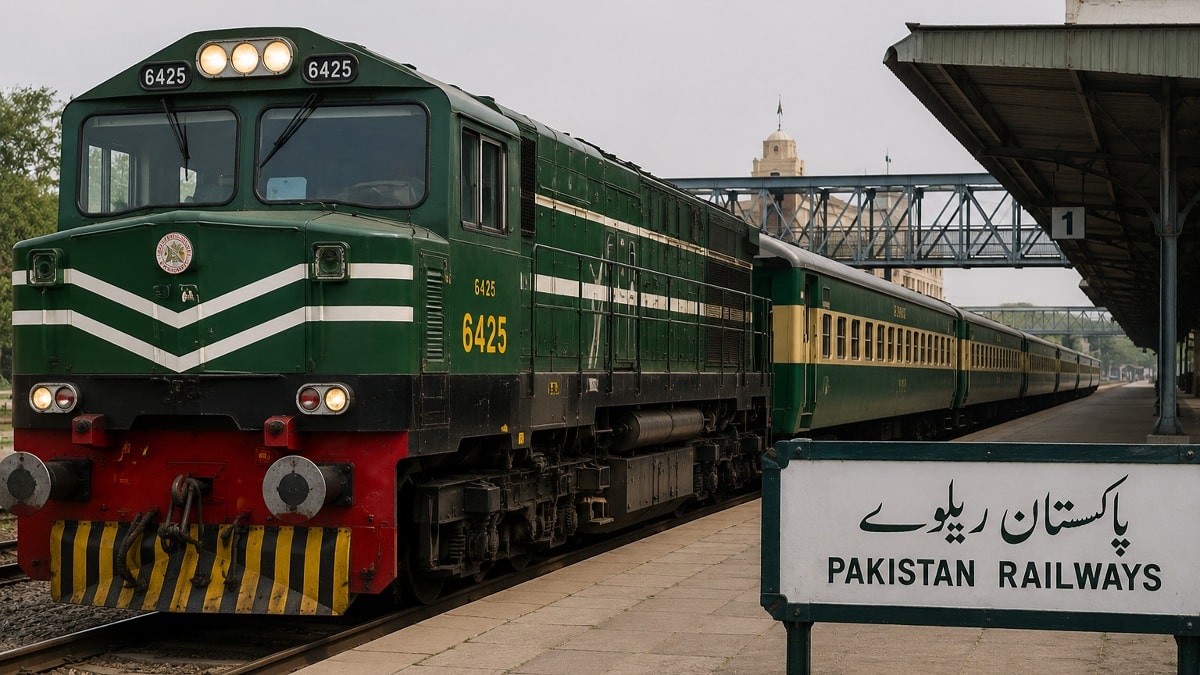
National logistics systems require structural precision to maintain the flow of commerce and human capital. Recently, Pakistan Railways announced that Karachi train services face a critical suspension following a significant freight derailment in the Matiari district. This structural failure occurred near the Wahab Shah railway station when 17 wagons of a coal hopper train disconnected from the tracks. Consequently, both up and down lines on Sindh’s primary railway artery remain blocked, effectively halting the country’s logistical heartbeat.
Restoring Karachi Train Services: Engineering Challenges
Officials report that the restoration of the damaged section could require up to 24 hours of intensive engineering work. Currently, two relief trains and specialized rescue teams have arrived at the site to begin the calibrated process of clearing the wreckage. Furthermore, the coal train was traveling from Karachi to Yousafwala when the incident fractured the tracks at several points. Although no casualties occurred, the physical scale of the damage significantly slows the technical recovery efforts.
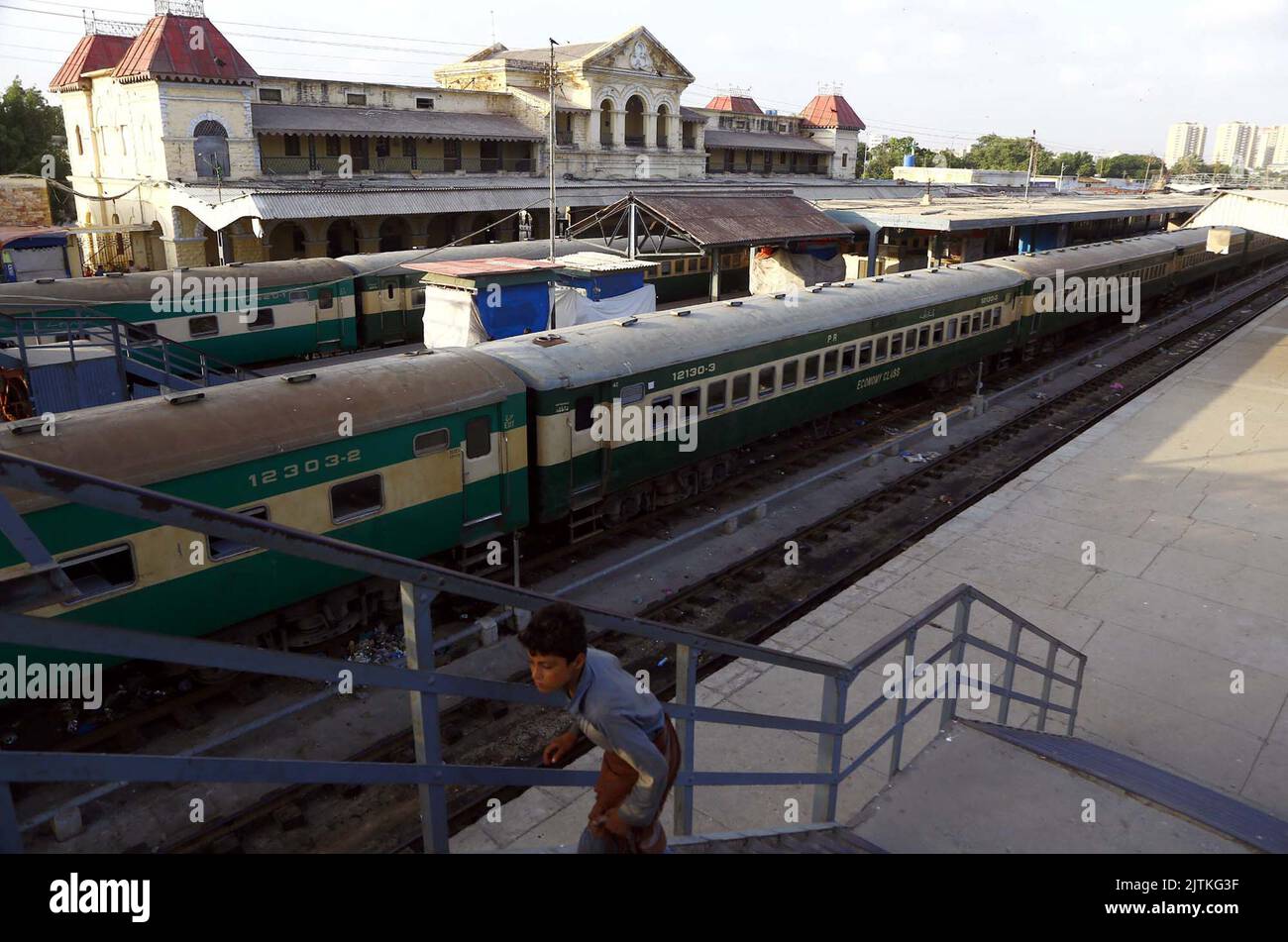
This disruption has triggered a cascade of delays for several major passenger fleets. Specifically, the following trains are currently held at various stations:
- Karakoram Express: Stationary at Hyderabad station.
- Allama Iqbal Express: Held at Kotri station.
- Pakistan Express: Delayed at Landhi station.
- Tezgam Express: Positioned at Drigh Road station.
- Millat and Fareed Express: Stopped at Karachi Cantt station.
The Situation Room Analysis
The Translation (Clear Context)
In railway logistics, the “up and down tracks” represent the dual-lane highway of the rail system. When 17 heavy coal wagons derail, they create a massive physical barrier that prevents any movement in either direction. This is not a simple mechanical fix; it involves heavy lifting and precision track realigning. Pakistan Railways must prioritize structural integrity over speed to ensure future safety.
The Socio-Economic Impact
The suspension of Karachi train services directly affects the daily lives of thousands of Pakistani citizens. Students and professionals traveling between Karachi and the northern hubs now face unpredictable delays and financial strain. Additionally, the halt of the coal hopper train impacts the industrial supply chain. Disruptions in coal transport can lead to energy production baseline shifts, potentially affecting power costs for urban and rural households alike.
The “Forward Path” (Opinion)
This incident represents a Stabilization Move. While the immediate response by engineering teams is strategic, it highlights a recurring vulnerability in our national infrastructure. For Pakistan to achieve a “Momentum Shift,” we must move beyond reactive repairs. We require a calibrated transition to smart-rail technology and predictive maintenance sensors that can detect track fractures before a derailment occurs. Precision in infrastructure is the catalyst for economic resilience.