
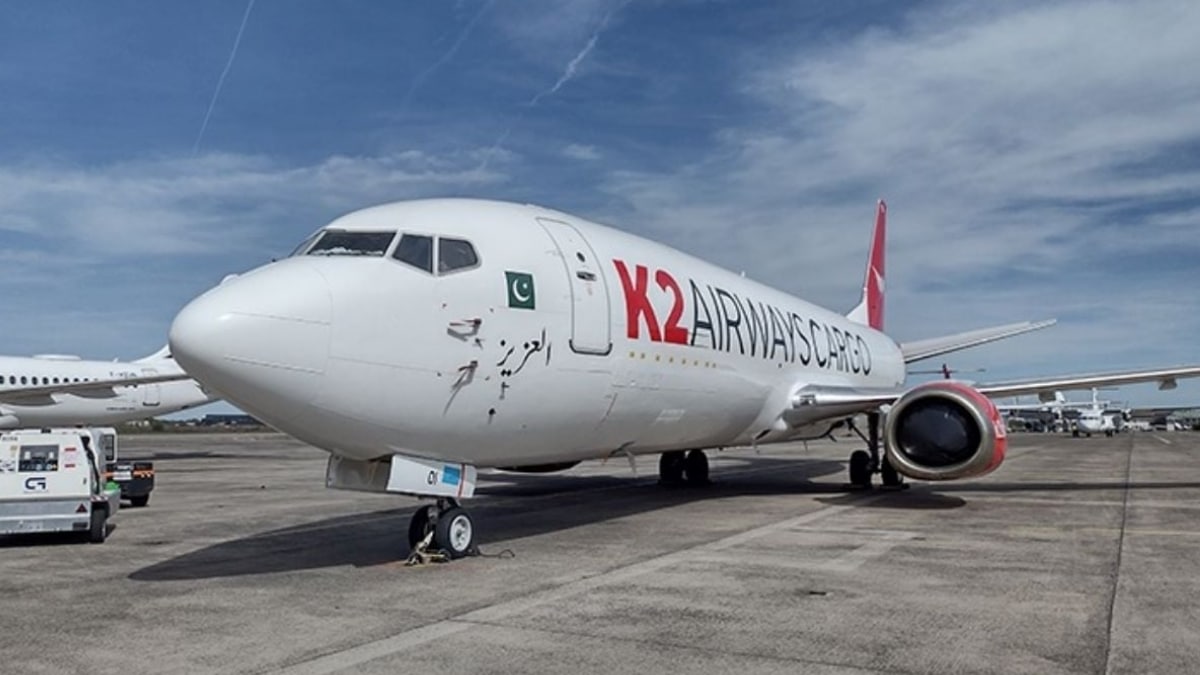
Ensuring national aviation integrity requires calibrated technical precision and structural transparency. Consequently, Pakistan is now evaluating the strategic deployment of international deep-sea salvage experts to facilitate the K2 Airways recovery. The Bureau of Aircraft Safety Investigation (BASI) has formally proposed hiring specialized foreign firms to retrieve the wreckage from the Arabian Sea’s floor. This move serves as a catalyst for resolving the investigation into the July 7 crash near Ormara.
Overcoming the 3,000-Meter Depth Barrier
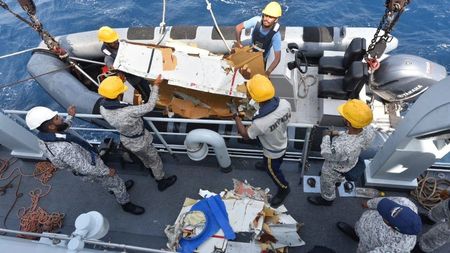
The wreckage of the K2 Airways cargo aircraft rests at a staggering depth of nearly 3,000 meters. This extreme environment presents a significant baseline challenge for local naval assets. While the Pakistan Navy and Maritime Security Agency have successfully recovered the tail section, the fuselage and critical flight recorders remain missing. Therefore, experts argue that advanced remotely operated underwater vehicles (ROVs) are essential for a successful K2 Airways recovery operation.
Time is a critical constraint in this technical mission. The aircraft’s underwater locator beacons are designed to transmit signals for only 30 days. As this window closes, the probability of acoustic detection diminishes. Specialized international salvage organizations offer the precision equipment necessary to locate these signals before they expire, mirroring the complex recovery efforts seen in previous global aviation disasters.
Technical Variables: The Navigation System Factor
Precision data is vital for reconstructing the final moments of the flight. Reports indicate that technicians replaced one of the aircraft’s two Inertial Reference Units (IRUs) in Sharjah shortly before the incident. Aviation analysts note that IRU malfunctions can severely impact a pilot’s spatial orientation, particularly during nocturnal oceanic transits. However, investigators maintain a disciplined approach, noting that accidents typically result from a confluence of factors rather than a single component failure.
The Situation Room Analysis
The Translation (Clear Context)
In simple terms, Pakistan is shifting from a standard search-and-rescue mission to a high-tech deep-sea salvage operation. Standard naval equipment often lacks the “surgical” precision needed to operate three kilometers underwater. By inviting foreign experts, the government is essentially hiring “robotic surgeons” of the sea to perform a task that current local infrastructure was not designed to handle. This ensures the investigation is based on hard data rather than theoretical speculation.
The Socio-Economic Impact
This development directly impacts the safety baseline for the Pakistani professional class and their families. For the families of the crew, the use of the Prime Minister’s Portal and international help represents a shift toward higher governmental accountability. For the broader public, a successful recovery means identifying systemic flaws in cargo aviation. Consequently, this prevents future tragedies that could disrupt the logistics and trade sectors vital to the Pakistani economy.
The Forward Path (Opinion)
This move represents a Momentum Shift. Opting for international technical assistance is not a sign of local failure but a strategic acknowledgement of specialized requirements. It shows a commitment to precision over pride. By aligning with global standards for deep-sea recovery, Pakistan is professionalizing its aviation safety protocols. The government must now act swiftly before the black box beacons fall silent, as any delay could result in a permanent loss of crucial data.








