
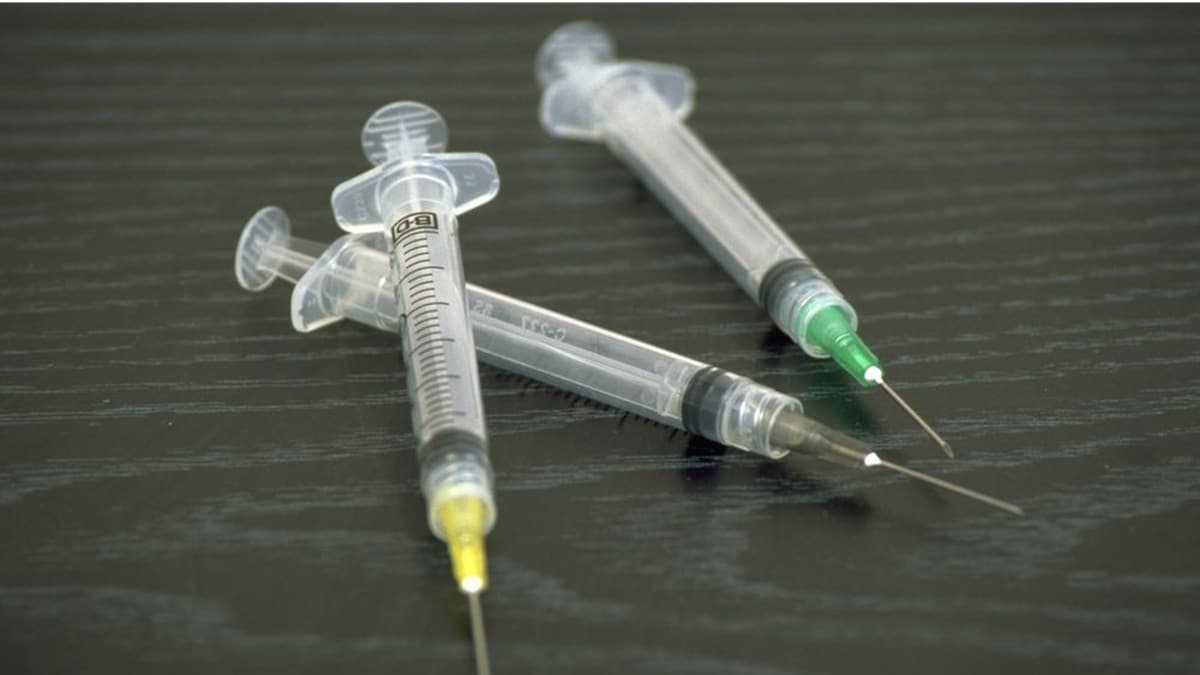
The Pakistan Paediatric Association (PPA) recently challenged the Drug Regulatory Authority of Pakistan (DRAP) regarding the upcoming 10cc syringe ban, citing immediate risks to neonatal and pediatric care. While DRAP aims to curb the reuse of contaminated syringes, the PPA warns that a blanket restriction ignores critical clinical requirements. Consequently, Dr. Muhammad Khalid Shafi emphasized that regulatory shifts must align with evidence-based medical practices to prevent systemic disruptions in hospitals.
Why the 10cc Syringe Ban Requires Clinical Precision
Current DRAP mandates impose a complete ban on conventional 1cc syringes by late 2026, followed by a retail ban on 10cc versions in January 2027. However, the 10cc syringe serves as a high-precision instrument in neonatal intensive care units (NICUs). Doctors utilize these tools for the accurate dilution of intravenous medications and the administration of enteral feeding. Furthermore, these syringes are vital for delivering oral rehydration solutions to infants who cannot consume fluids traditionally.
Without these specific tools, medical professionals face significant hurdles in maintaining baseline care standards. The PPA argues that a targeted exclusion is necessary until the industry adopts safer, standardized alternatives. Therefore, the association is calling for an expert advisory panel to evaluate infection control guidelines without compromising essential clinical work.
The Translation: Contextualizing the Regulatory Shift
In technical terms, DRAP is attempting to solve a “macro” problem—the rise of HIV and blood-borne pathogens—with a “blanket” solution. By banning conventional syringes, they hope to force a transition to auto-disable (AD) technology. However, the 10cc syringe ban fails to account for the “micro” nuances of pediatric medicine. In these settings, the syringe is not just a needle-delivery vehicle but a calibrated measurement tool. Banning the tool before a specialized alternative exists creates a technical vacuum in our healthcare infrastructure.
The Socio-Economic Impact: What This Means for Pakistani Families
For the average Pakistani household, this policy change could manifest as increased risk in public and private pediatric wards. If doctors lack the precision tools required for infant dosage, the probability of medication errors rises. Additionally, rural clinics might struggle even more than urban centers to find specialized replacements. Ultimately, this affects the most vulnerable demographic—neonates—potentially leading to higher healthcare costs and longer recovery times for families already under economic strain.
The Forward Path: A Momentum Shift Toward Precision
This development represents a Momentum Shift in how Pakistan balances regulation with reality. While the intent to eliminate syringe reuse is a catalyst for national health progress, the execution requires calibration. A successful forward path involves integrating the PPA’s expertise into the regulatory framework. By establishing an expert advisory panel, DRAP can move from a broad-stroke ban to a calibrated, phased transition that secures patient safety without stalling critical medical procedures.








