
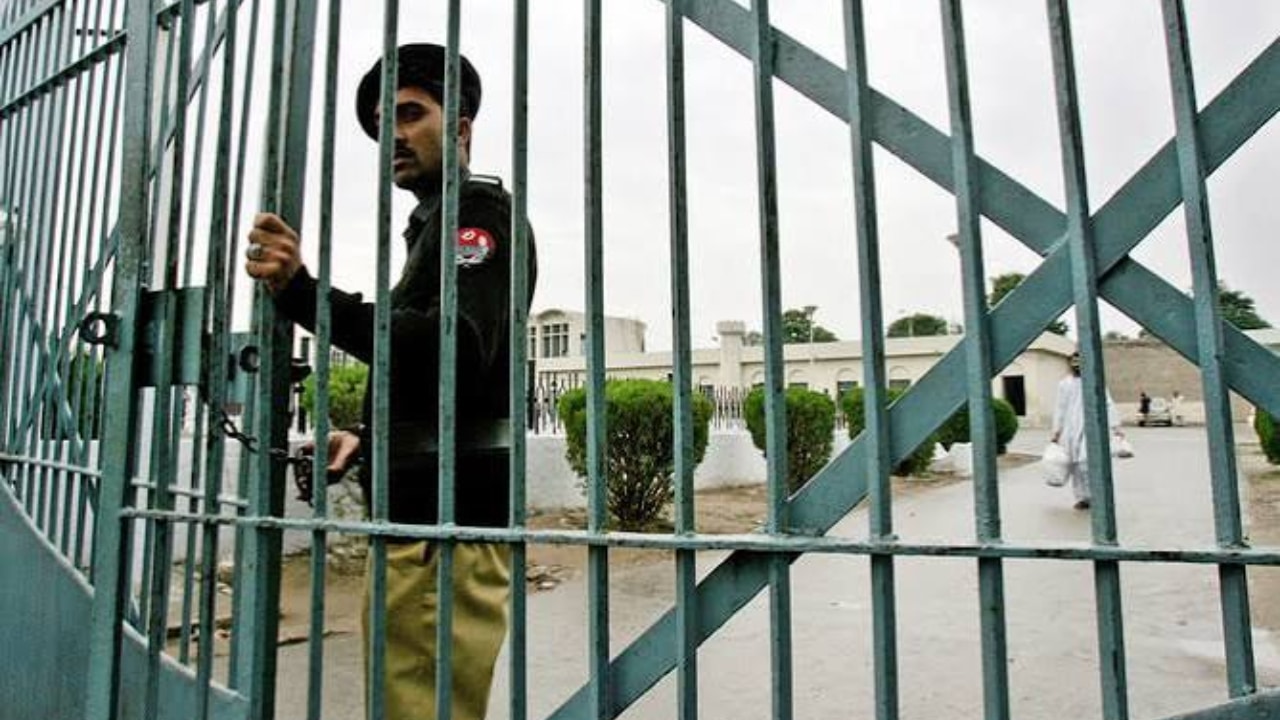
The Inspector General of Prisons Punjab, Mian Salik Jalal, has calibrated a new operational protocol by making prison staff health screening and psychological evaluations mandatory for all employees across the province. This strategic directive addresses the structural physical and mental strain caused by grueling 24-hour duty cycles and continuous service pressure. Consequently, every prison in Punjab must now institutionalize quarterly health camps and annual examinations to ensure a baseline of workforce efficiency.
The Translation: Decoding the Prison Staff Health Screening Mandate
This policy represents more than a standard medical checkup; it is a structural redesign of human resource management within the Punjab correctional system. By mandating regular prison staff health screening, the administration recognizes that the high-intensity nature of prison security creates a high-risk environment for metabolic and psychiatric disorders. Therefore, these screenings act as a diagnostic catalyst to prevent systemic burnout and chronic illness among officers.
Protocols for Physical and Psychological Resilience
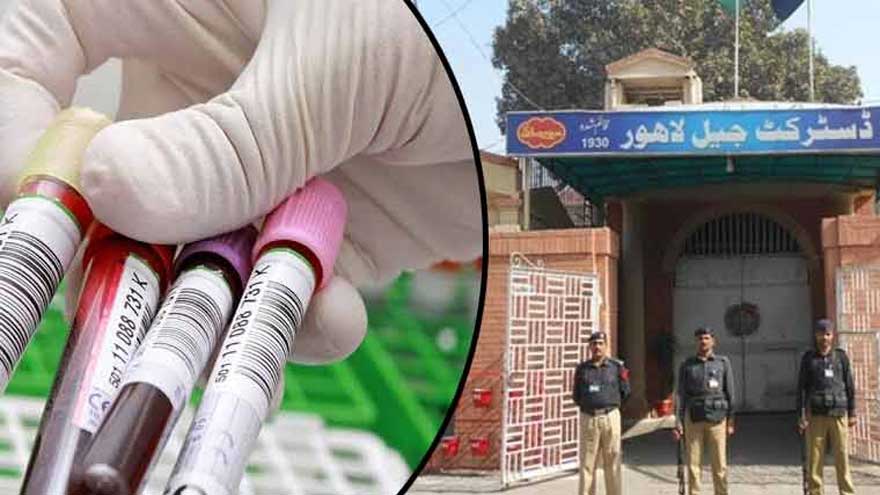
The IG Prisons has issued a precise framework that jails must implement immediately. This wellness architecture includes several key components designed to maintain peak operational readiness:
- Quarterly Health Camps: Every facility will establish a screening station every three months to monitor emerging health trends.
- Baseline Metrics: Mandatory annual exams will track blood pressure, glucose levels, cholesterol, and BMI.
- Mental Health Tier: Staff suffering from depression or acute stress will access free psychological counseling and meditation sessions.
- Emergency Extraction: Any officer exhibiting acute symptoms, such as chest pain or dizziness, must be transferred to a hospital immediately.
Furthermore, prison administrations will now maintain confidential health files for every employee. This data-driven approach allows for the early identification of cardiovascular risks and diabetes, which have seen a noticeable rise among the workforce.
The Socio-Economic Impact: Fortifying the National Workforce
Optimizing the health of the prison workforce directly impacts the stability of Pakistani households. Specifically, for the families of these officers, this mandate provides a safety net against the sudden loss of a primary breadwinner to preventable lifestyle diseases. On a broader scale, a mentally resilient prison staff leads to more humane correctional environments. This improvement in system efficiency correlates with better rehabilitation outcomes and enhanced public safety for the citizens of Punjab.
The Forward Path: A Momentum Shift in Governance
This initiative represents a significant “Momentum Shift” for Pakistan’s administrative sector. It moves the needle from reactive crisis management toward proactive human capital preservation. To maximize impact, the government should now look toward digitizing these confidential health records into a centralized database. Such precision in tracking long-term health trends will be the ultimate catalyst for a modern, sustainable civil service.








