
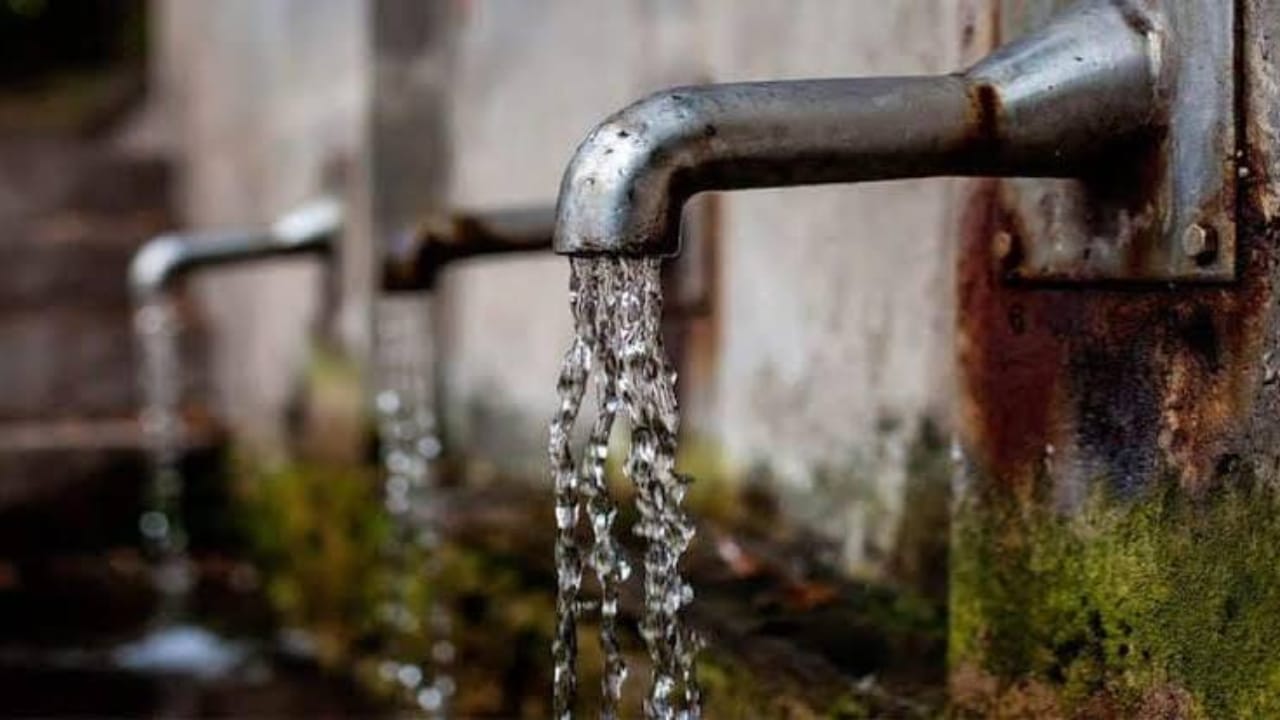
The Capital Development Authority (CDA) is preparing to recalibrate Islamabad water charges to address a significant structural deficit in utility management. Since 2018, water rates have remained static, leading to a system where the civic agency recovers only 20 percent of its operational expenditure. Consequently, the authority relies heavily on federal subsidies to bridge the widening gap between nominal billing and the actual cost of supply and maintenance.
Recalibrating Islamabad Water Charges for Urban Sustainability
The CDA Board approved the proposed rate revision in principle last year following a mandatory public hearing process. Officials are now moving to refer the proposal to the federal cabinet for final validation. At present, the pricing structure is remarkably low; consumers pay as little as Rs 16 per 1,000 gallons. Furthermore, private houses up to 250 square yards currently pay only Rs 228 per month, a figure that fails to reflect the modern costs of water extraction and distribution.
- Current Monthly Charges: Rs 96 to Rs 124 for government categories.
- Private Residences: Rs 228 to Rs 280 based on plot size.
- Supply Deficit: 70M GPD supply vs 220M GPD total demand.
The Translation: Bridging the Fiscal Deficit
In technical terms, the CDA is attempting to transition from a subsidy-dependent model to a cost-recovery framework. Islamabad is currently a water-stressed city, operating with a supply of 70 million gallons per day (GPD), which is far below the estimated demand of 220 million GPD. By adjusting the Islamabad water charges, the authority aims to generate the precision capital required to maintain Simly Dam, Khanpur Dam, and the existing network of tube wells.
Socio-Economic Impact: Impact on the Pakistani Citizen
For the average resident, this adjustment means a direct increase in monthly utility expenditures. While the current rates are nominal, the upcoming hike will test the resilience of middle-class households already managing inflation. Conversely, a more fiscally stable CDA could potentially improve service delivery in sectors like H-13 and Ghouri Town. Currently, these areas must rely on expensive private water tankers because the public system cannot meet their basic needs.
The Forward Path: A Stabilization Move
This development represents a Stabilization Move. While the CDA is exploring long-term catalysts like the Ghazi Brotha Scheme and new dam construction, progress has remained historically slow. Raising Islamabad water charges is a necessary baseline adjustment to prevent the total collapse of existing services. However, a true momentum shift will only occur when the CDA successfully integrates new water sources to close the 150 million GPD supply gap.








