
Germany just calibrated a major shift in the global digital landscape. The release of Soofi S, a high-performance sovereign AI model, marks a strategic move by Europe to establish technological independence from dominant systems in the US and China. This Mixture-of-Experts hybrid Mamba-Transformer model delivers elite-level performance for both German and English tasks, setting a new benchmark for open-source foundation models.
Harnessing the Power of a Sovereign AI Model
The Soofi S 30B-A3B represents a structural breakthrough in AI efficiency. While the model contains 31.6 billion total parameters, it activates only 3.2 billion parameters per generated token. Consequently, the system offers the intellectual scale of a massive model while maintaining the compute baseline of a much smaller system. This strategic calibration ensures that high-level AI remains accessible without requiring prohibitive hardware resources.
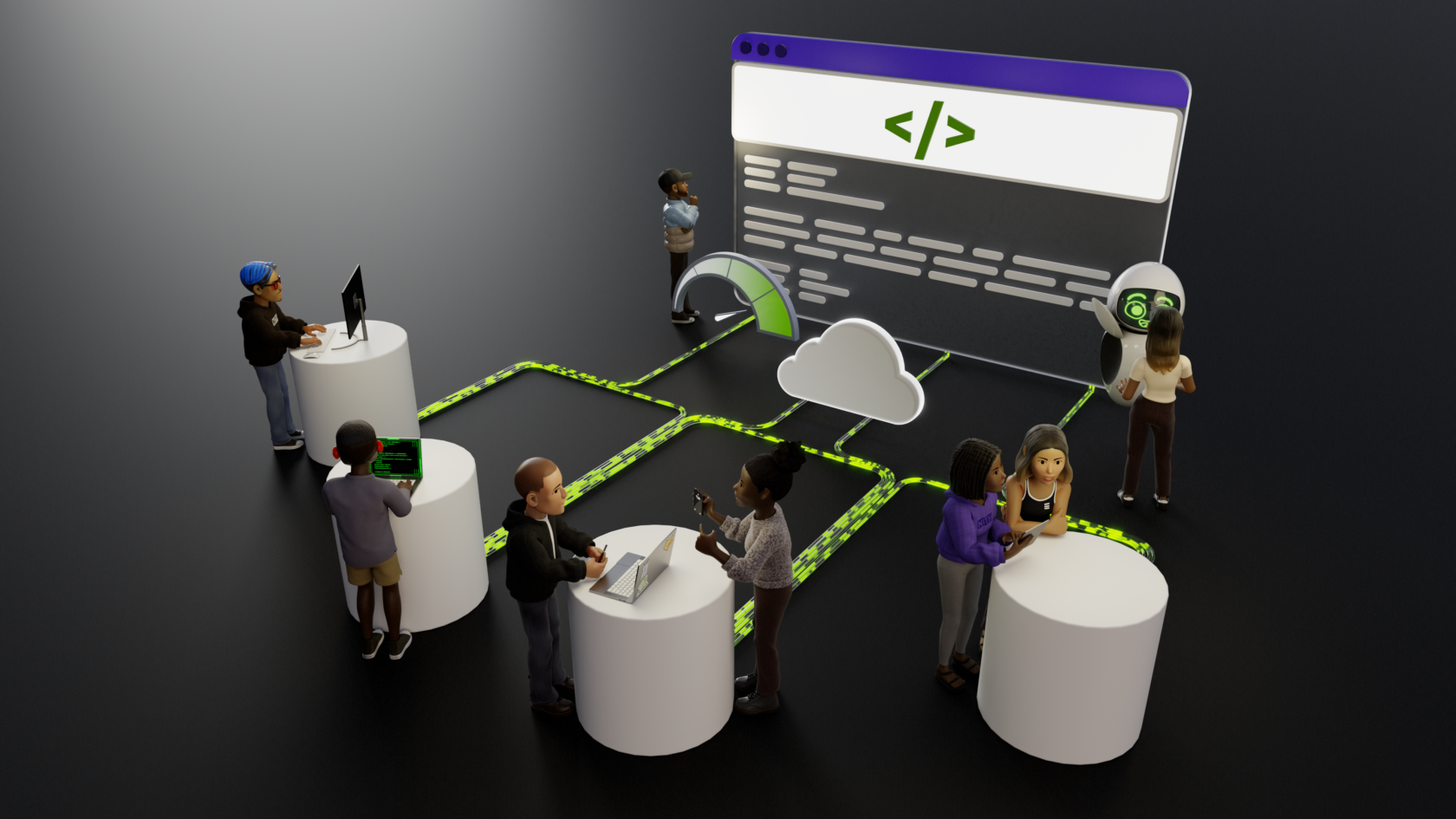
The research consortium trained Soofi S from scratch using 27 trillion tokens. Furthermore, the team prioritized German data to ensure linguistic precision. The entire training process occurred within Deutsche Telekom’s Industrial AI Cloud in Munich, ensuring that the model’s “brain” was built entirely on European infrastructure.
Mixture-of-Experts: A Catalyst for Efficiency
The architecture of Soofi S utilizes a Mixture-of-Experts (MoE) design. In contrast to traditional monolithic models, MoE divides the network into specialized expert sub-sectors. Only the most relevant experts activate for any given task. Currently, the top 10 most intelligent open-source models globally utilize this MoE approach to maximize performance while minimizing energy consumption.

The Translation: Why This Logic Matters
Standard AI models function like a single expert trying to master every subject simultaneously. This often leads to “bloated” software that requires massive power. In contrast, Soofi S operates like a specialized team where only the necessary specialist speaks. This “modular” logic allows the sovereign AI model to process complex English and German code better than nearly 17 other open-base models tested. It provides a blueprint for how future AI can be both smarter and leaner.

The Socio-Economic Impact: Benefits for Pakistan
For Pakistan, the rise of a transparent sovereign AI model offers a critical alternative to “black box” technologies. As we look to digitize our own infrastructure, having access to open weights, training data, and hyperparameters allows Pakistani developers to build localized tools without being tied to restrictive licenses. This development lowers the barrier for entry for urban students and rural entrepreneurs alike. It empowers our local tech sector to build specialized solutions for agriculture, finance, and education based on a verified, secure foundation.
The Forward Path: A Momentum Shift
The release of Soofi S represents a clear “Momentum Shift” toward a decentralized AI future. By providing an open-access alternative that rivals proprietary US models, the German consortium is acting as a catalyst for global digital equity. This development proves that when industry and research partners collaborate on a shared infrastructure, they can break through technological monopolies. Ultimately, Soofi S is more than just a model; it is a structural statement on the importance of data sovereignty in the modern age.








