

HIV Outbreak Karachi: Urgent Action Needed Against Rising Cases
Karachi has reported a deeply concerning HIV Outbreak Karachi, with over 100 new infections detected in 2025. Crucially, most of these cases are among young children, signaling a severe public health challenge. Officials fear this surge could tragically mirror the 2019 Ratodero crisis, which exposed serious, systemic failures in infection control across Sindh’s healthcare system. This escalating health emergency demands immediate attention and robust interventions to protect vulnerable populations.
An official at Sindh Infectious Diseases Hospital (SIDH) warned that the reported pediatric cases might only be the “tip of the iceberg.” Consequently, the hospital admitted approximately 35 new children with HIV in 2025. Moreover, adult patients from across Karachi are also receiving antiretroviral therapy at SIDH, highlighting the broad impact of the crisis on both young and older residents.
Unsafe Practices Fueling the Crisis in Karachi
Prof. Naseem Salahuddin, former head of infectious diseases at the Indus Hospital, emphasized that this outbreak affects adults as well. Significantly, she noted cases of married women with HIV-negative husbands and children with HIV-negative parents. This particular observation strongly suggests that unsafe medical practices Sindh, rather than typical household transmission, are the primary cause of these infections. Therefore, addressing systemic issues in healthcare delivery is paramount.
Government officials confirmed that new infections include infants, toddlers, school-age children, and adolescents. Conversely, adult cases remain comparatively limited. While boys slightly outnumber girls, the nearly equal gender distribution further points to unsafe healthcare practices as the central issue. This alarming trend necessitates immediate and thorough investigations into clinical procedures across the region.
Vulnerable Communities Bear the Brunt of the HIV Outbreak

Most affected children reside in underserved, densely populated areas across Karachi. These include specific localities such as:
- Keamari
- Machar Colony
- Raees Goth
- Sher Shah
- Orangi Town
- Pathan Colony
- Site Town
- Baldia
- Korangi
These areas, often encompassing nearby industrial zones in Karachi West and South districts, face immense challenges. Consequently, residents in these communities struggle with limited access to adequate healthcare and prevention resources. Addressing these disparities is crucial for effective public health management.
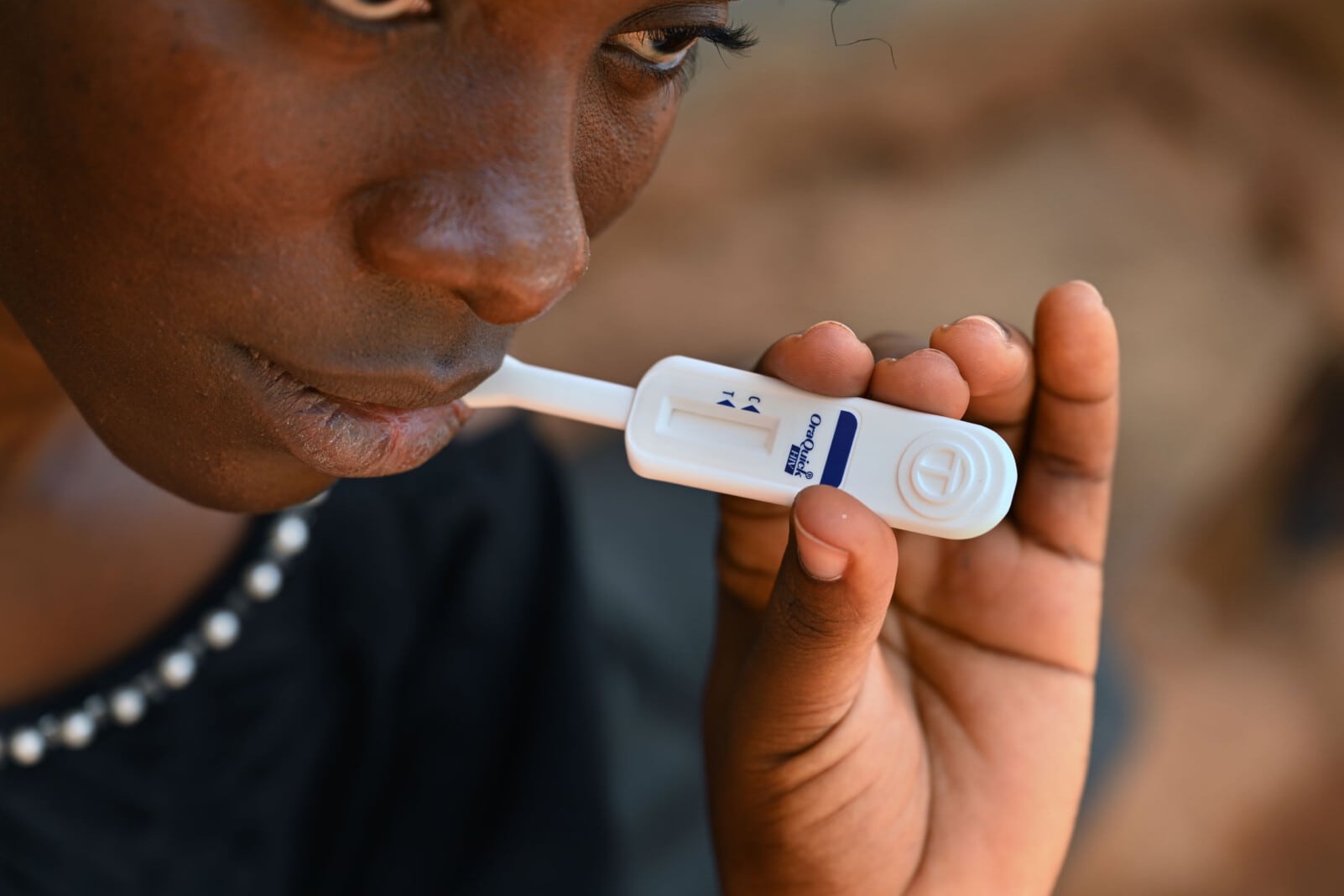
Authorities are diligently monitoring the situation to contain the spread. Furthermore, they are providing comprehensive treatment to all identified patients, aiming to mitigate the immediate impact. However, a more proactive, community-centric approach focusing on education and improved access to safe healthcare is critically needed to prevent future occurrences.
Strengthening HIV Prevention Karachi and Healthcare Protocols

The current HIV Outbreak Karachi starkly underscores the urgent necessity for robust infection control measures. Improving Pakistan’s public health infrastructure is therefore paramount to prevent similar crises from recurring. Looking ahead, comprehensive training for medical staff and strict adherence to safety protocols are essential. This strategy will safeguard vulnerable populations effectively by minimizing risks from medical procedures. Ultimately, it will also rebuild vital public trust in the healthcare system, ensuring a healthier future for Karachi’s residents.









