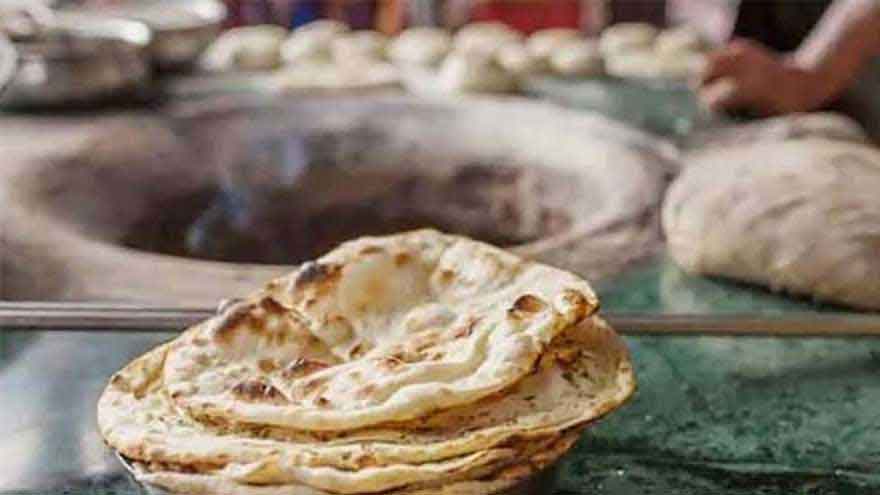
The structural stability of essential commodity pricing in Punjab faces a calibrated challenge as tandoor owners signal an imminent roti price hike. This strategic maneuver follows a prolonged deadlock between the Punjab Food Department and the Nanbai Association. Consequently, the association scheduled a high-stakes meeting for Saturday to establish a new pricing baseline for staple food items across the province.
The Nanbai Association Pricing Proposal
The association finalized a precision-targeted proposal to increase the price of roti to Rs. 25 and nan to Rs. 35. Furthermore, tandoor owners warned that any attempt by authorities to use force would catalyze an immediate shutdown of businesses. This collective action aims to protect their operational margins against rising production costs. Meanwhile, the provincial government has yet to release a counter-proposal or finalized official rates.
The Translation: Breaking Down the Pricing Logic
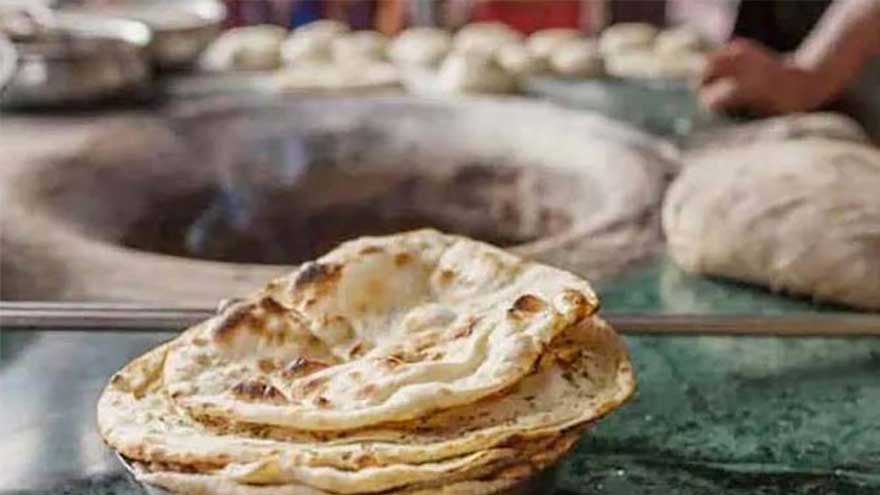
In “Next Gen” clarity, this dispute is a friction point between state-mandated affordability and the raw cost of fuel and flour. While the government seeks to keep the roti price hike at bay to prevent inflation, tandoor owners argue that current price ceilings are no longer economically viable. The Saturday meeting serves as a technical audit of their operational expenses versus the public’s purchasing power.
The Socio-Economic Impact: Effects on the Pakistani Household
This pricing shift directly impacts the caloric security of urban and rural households. For a typical family, a jump to Rs. 25 per roti represents a significant increase in daily expenditure. Consequently, students and low-income professionals may face a reduction in disposable income. The uncertainty surrounding these essential costs creates a volatile environment for domestic financial planning across Pakistan.
The Forward Path: Momentum Shift or Stabilization?
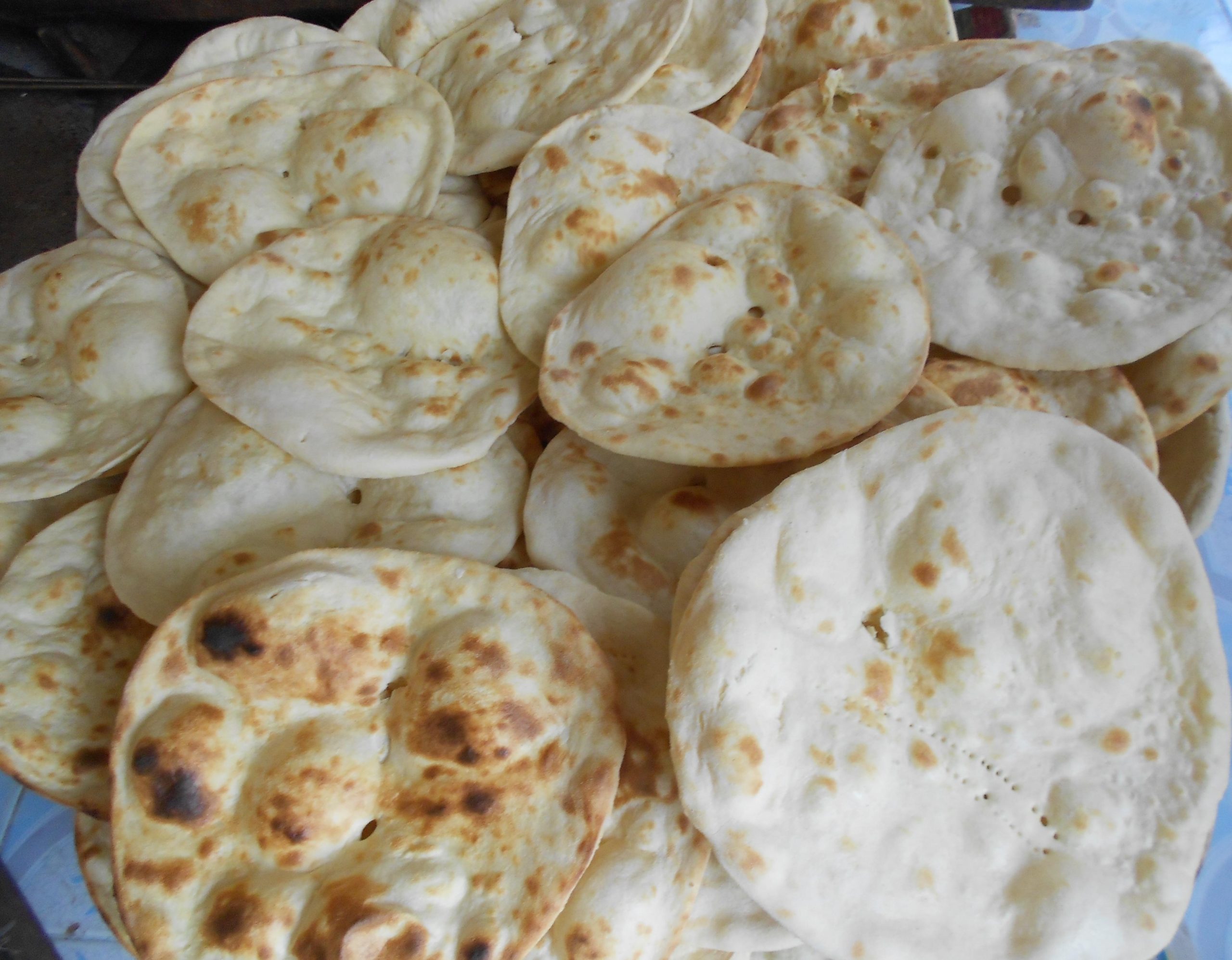
This development represents a Stabilization Move for the Nanbai Association but a potential System Inefficiency for the state. To avoid a total market shutdown, the government must calibrate its subsidies or modernize the flour distribution supply chain. Without a structural resolution, these recurring price disputes will continue to disrupt the social baseline of the country.