
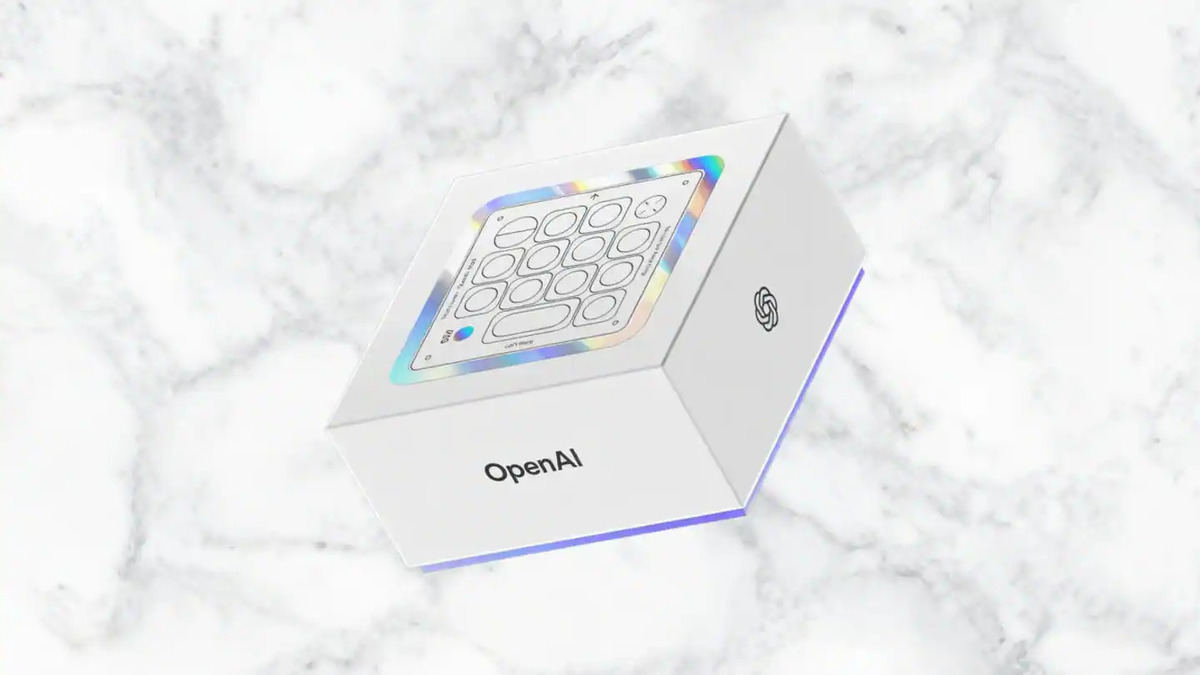
The transition from digital models to physical interfaces marks a calibrated evolution in system efficiency. OpenAI recently debuted its first hardware product, the OpenAI Codex Micro, a $230 specialized keyboard designed specifically for the Codex ecosystem. While many expected a consumer-grade smart speaker, the company instead delivered a precision-engineered tool for high-level developers and AI agents.
Precision Engineering: What is the OpenAI Codex Micro?
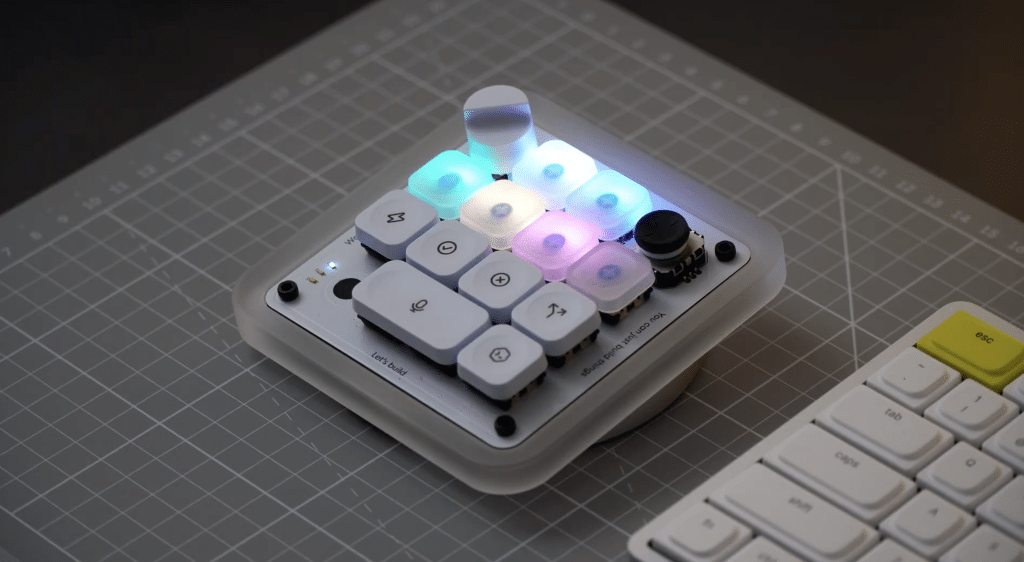
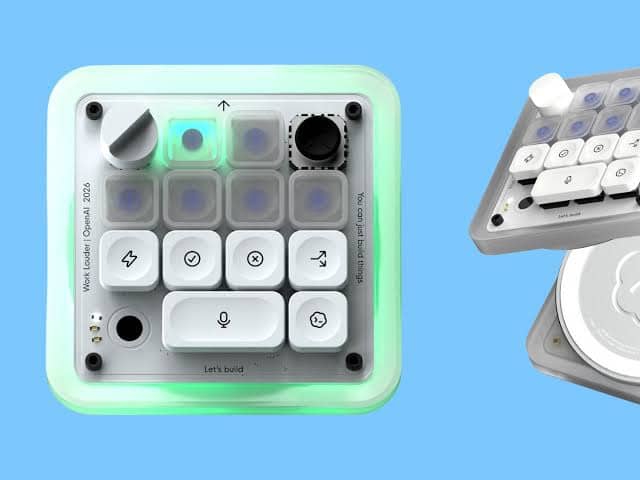
The OpenAI Codex Micro serves as a physical command center for “agentic work.” Developed in collaboration with Work Louder, this device provides a tactile interface to manage multiple AI agents simultaneously. Specifically, the keyboard features light-up Agent Keys that utilize RGB feedback to signal the current state of an AI task. Consequently, developers can instantly see if an agent is processing, idling, or encountering an error without checking their screen.
Haptic Feedback and Reasoning Dials
This hardware includes a precision joystick for workflow navigation and a dedicated reasoning dial. The dial allows users to adjust the computational effort an agent applies to a specific problem. Furthermore, the device offers customizable shortcut keys for actions like accepting code changes or initiating new chat instances. By integrating these physical controls, OpenAI aims to reduce the cognitive load of switching between multiple coding windows.
The Translation: Bridging Code and Hardware
In technical terms, “agentic work” refers to AI models that operate semi-autonomously to complete complex multi-step tasks. The OpenAI Codex Micro translates these abstract digital processes into a physical dashboard. Instead of relying on traditional mouse-and-keyboard shortcuts, the device creates a dedicated lane for AI interaction. This calibrated approach ensures that the human developer remains the central controller of the automated system.
Socio-Economic Impact: Empowering Pakistan’s Digital Workforce
For the growing community of Pakistani developers and freelancers, this development signals a shift toward hyper-specialized productivity tools. As our local tech talent increasingly adopts AI-driven coding, hardware like the Codex Micro can serve as a catalyst for professional scaling. In urban hubs like Lahore and Karachi, these tools could significantly reduce project turnaround times, thereby increasing the global competitiveness of our IT exports. Even for students in rural areas, understanding the integration of hardware and AI is essential for staying relevant in the modern job market.
The Forward Path: A Catalyst for Specialized Hardware
We view this launch as a strategic Momentum Shift. While the OpenAI Codex Micro is a limited-run product, it validates the necessity for physical interfaces in an AI-saturated world. Although a broader consumer smart speaker remains in development with Jony Ive, this developer-first approach establishes a professional baseline. Consequently, we expect to see more “precision peripherals” that move AI interaction beyond the browser and into our physical workspaces.








