
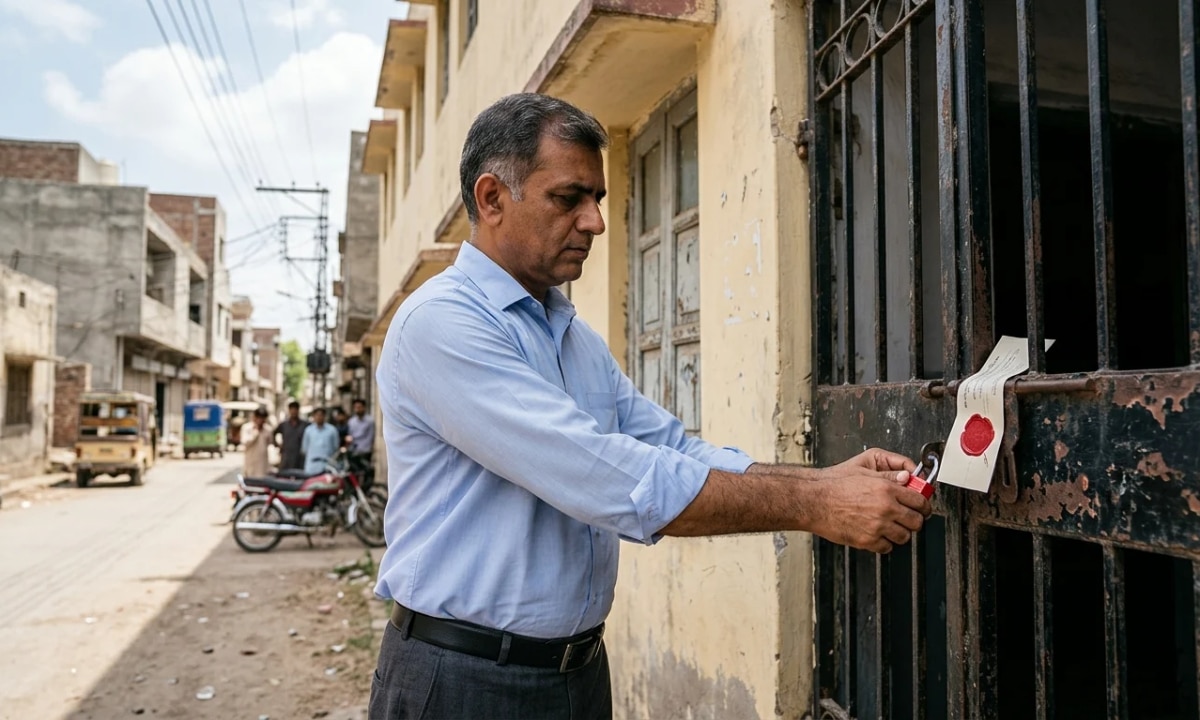
The Rawalpindi Development Authority (RDA) executed a calibrated enforcement operation, sealing 11 unauthorized structures to restore structural integrity to the city’s urban framework. This strategic crackdown on illegal construction Rawalpindi underscores a commitment to rigorous zoning adherence and long-term systemic efficiency. By targeting building regulation violations, the authority aims to stabilize the real estate sector and protect communal assets.
Calibrated Enforcement Against Zoning Violations
Guided by Deputy Director Planning Muhammad Daud, the RDA Enforcement Squad identified specific deviations from approved blueprints. Consequently, the team sealed eight residential units and two commercial structures that bypassed mandatory legal protocols. Furthermore, one multi-story building faced immediate closure for violating its specific architectural approval, demonstrating a zero-tolerance baseline for structural anomalies.
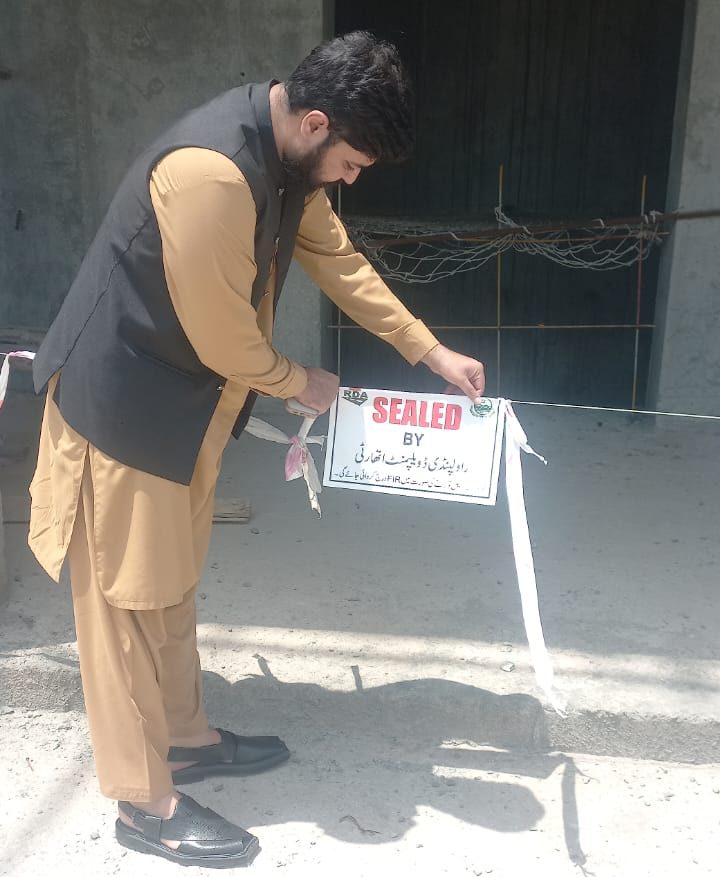
These actions rely on the Punjab Development of Cities Act 1976 and the RDA Building and Zoning Regulations. These frameworks provide the necessary legal catalyst for ensuring that Rawalpindi’s growth remains both safe and sustainable. The authority continues to monitor developments to prevent future unauthorized expansions.
The Translation: Decoding Urban Regulation
Urban zoning is more than an administrative hurdle; it is the structural DNA of a functional city. When developers bypass these regulations, they create systemic bottlenecks that strain public utilities and compromise safety. This crackdown translates into a clear message: adherence to the master plan is the only path for legitimate development in the region.
The Socio-Economic Impact: Protecting the Pakistani Citizen
For the average Pakistani resident, unregulated growth leads to decreased property values and compromised infrastructure. By halting illegal construction Rawalpindi, the RDA protects the investments of law-abiding citizens. Moreover, this precision enforcement ensures that residential neighborhoods do not transform into congested, high-risk zones without proper utility support.
The Forward Path: A Momentum Shift
This operation represents a significant Momentum Shift in Rawalpindi’s urban management. It transitions from passive oversight to active structural correction. To maintain this trajectory, the authority must continue this impartial enforcement, ensuring that every building project serves as a catalyst for a more organized and resilient urban future.








