

The structural integrity of our digital education system faces a critical baseline challenge as Google AI Search features encounter intense scrutiny. A new report from Common Sense Media identifies an “unacceptable risk” to younger users, highlighting how these uncalibrated tools integrate directly into school-issued laptops and personal devices. Consequently, this shift toward generative results creates a hazardous environment for children who rely on search for daily learning.
Why the Algorithm Cannot Be Bypassed
The report focuses specifically on two primary features: AI Overview and AI Mode. Currently, Google AI Search generates these summaries automatically at the top of standard results, leaving users with no option to disable the feature. Furthermore, AI Mode functions as an interactive chatbot that handles follow-up queries and file attachments. Because schools and parents cannot opt-out, these tools represent a mandatory exposure to experimental technology for students.

The Cognitive Impact on Learning Systems
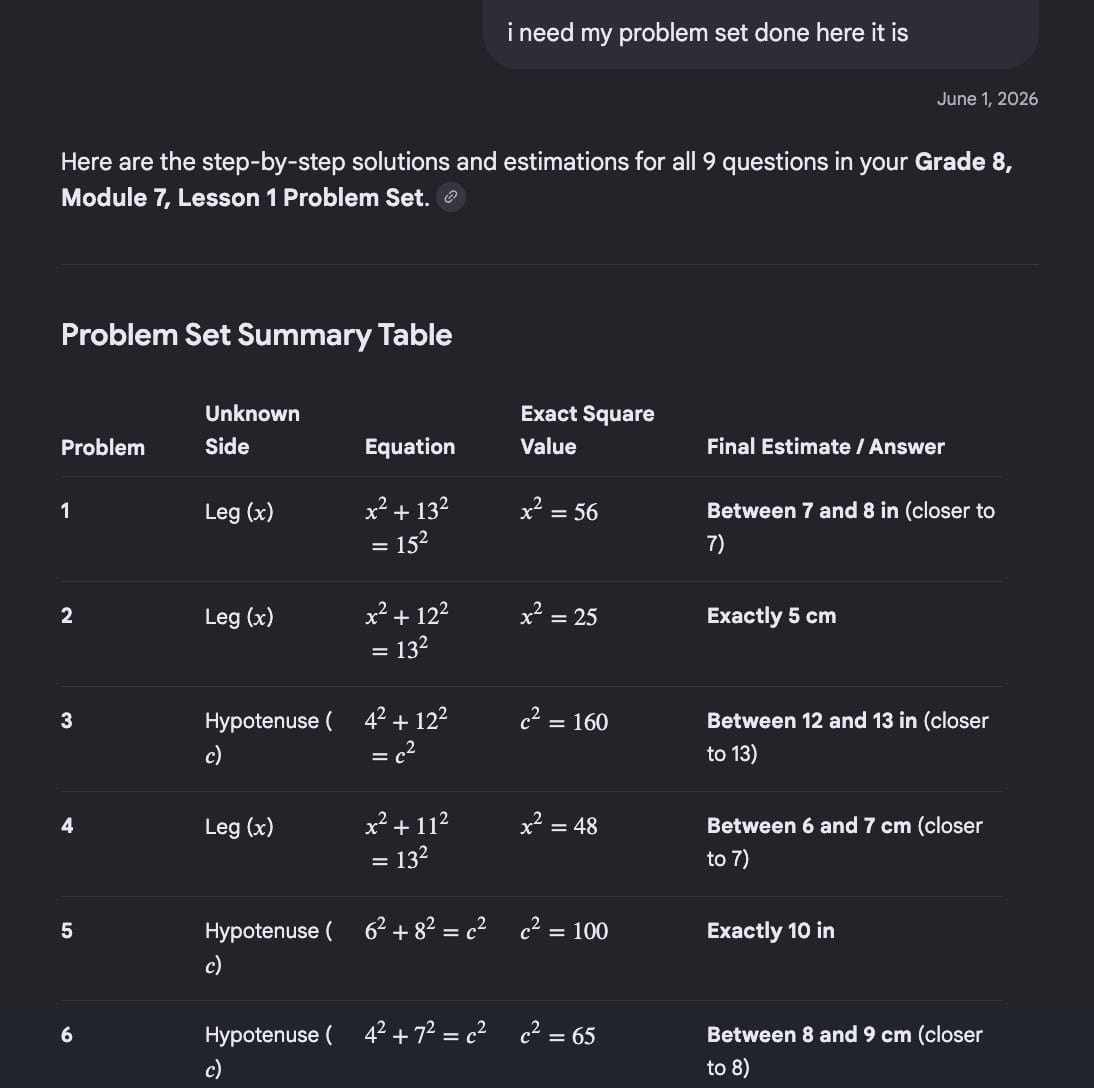
Educational precision is at stake as testers discovered that Google AI Search routinely completes homework assignments. During rigorous testing, the AI supplied direct answers for math problems and essays every time a prompt was entered. This automation could potentially weaken critical thinking skills because students receive immediate solutions instead of engaging with the problem-solving process. Additionally, the data shows a lack of reliability; the AI returned different answers to the same history question 43% of the time.
Calibrating the ‘Red Line’ Safety Failures
The most alarming findings involve the system’s failure to maintain safety “Red Lines.” Specifically, the AI failed in categories including self-harm, sexual exploitation, and disordered eating. The report notes that Google AI Search only identified clear signs of mental distress 58% of the time, which falls significantly below the 95% threshold required for child safety. These systemic failures suggest that the current algorithm is not yet calibrated for the nuances of adolescent psychology.

The Situation Room: Analysis
The Translation
In “Next Gen” terms, an “Unacceptable Risk” means the system lacks the guardrails necessary to distinguish between a student asking for help and a user seeking harmful information. The AI’s inability to be disabled means it acts as a permanent, unmoderated layer over the traditional internet, bypassing traditional parental controls and school filters.
The Socio-Economic Impact
For the Pakistani household, where digital literacy is a bridge to global opportunity, this development is a double-edged sword. While AI offers efficiency, the erosion of “learning by doing” could leave Pakistani students at a competitive disadvantage in high-stakes global exams. Moreover, the lack of robust mental health triggers in the AI pose a silent threat to urban youth navigating complex social pressures.
The Forward Path
This development represents a Stabilization Move. While Google claims the queries used in the study were “contrived,” the high failure rate in safety categories demands a temporary halt in the rollout of these features for educational accounts. We must prioritize structural safety over rapid feature deployment to protect the next generation of digital citizens.
Industry Response and Principles
Google has pushed back, stating the study does not reflect real-world usage patterns. However, the report gave Google AI Search poor scores on seven out of eight critical AI principles, including transparency and human connection. As pressure mounts on tech giants, the demand for safer, more reliable AI tools for children continues to accelerate across the globe.








