
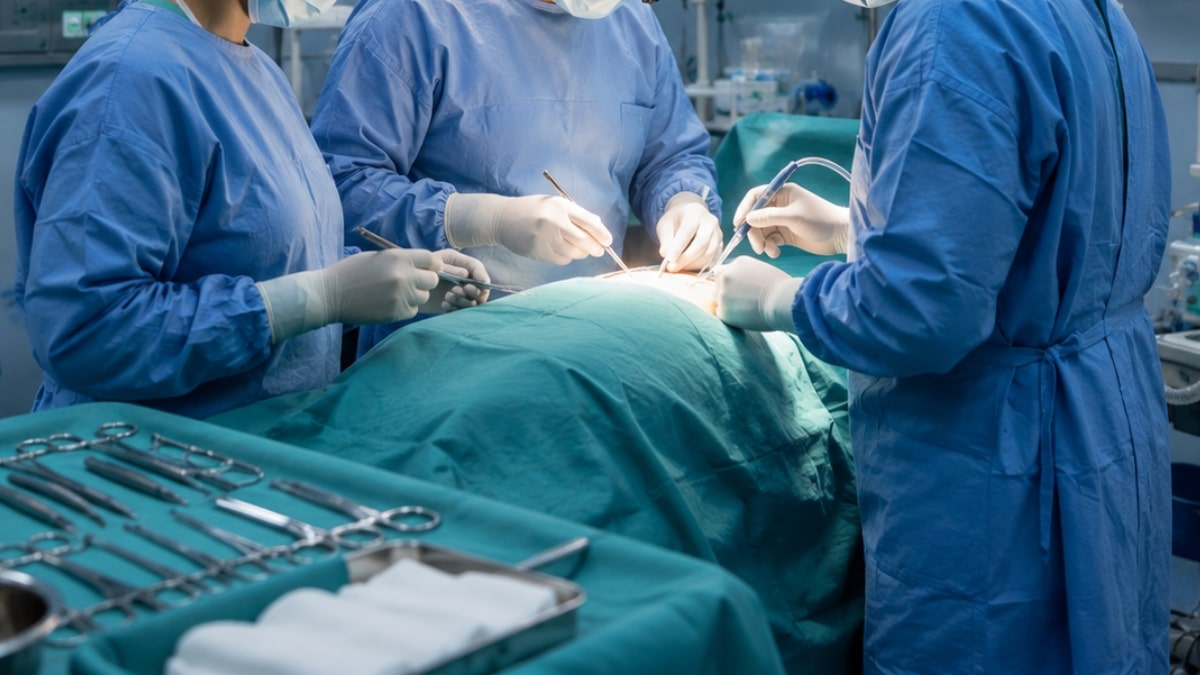
The structural integrity of Pakistan’s healthcare delivery depends on calibrated surgical safety protocols and strict professional boundaries. Recent reports from Dr. Faisal Masood Teaching Hospital in Sargodha highlight a critical breach where a ward boy allegedly performed surgeries. This incident represents a dangerous case of Punjab hospital negligence that fundamentally compromises patient safety and institutional trust.
Analyzing the Breach in Surgical Safety Protocols
CCTV footage from the operating theatre allegedly shows an individual identified as Waqas, a ward boy, carrying out surgical procedures. Reports indicate that Surgeon Hafiz Riaz frequently remained absent from his duties. Consequently, the surgeon allegedly delegated complex medical tasks to unauthorized staff. Furthermore, the hospital administration reportedly maintained awareness of these practices without implementing immediate corrective measures.
Administrative Response and Justification
The hospital management clarified that Waqas functions as operation theatre (OT) staff rather than a ward boy. They argued that a severe shortage of qualified personnel forces employees to work beyond their original job descriptions. According to officials, specific staff members received “special training” to assist in surgeries. However, this defense has not mitigated public concern regarding the baseline requirements for surgical precision.
The Situation Room: Analysis
The Translation (Clear Context)
In technical terms, a teaching hospital serves as a primary hub for medical education and high-standard clinical care. When a surgeon delegates invasive procedures to non-medical staff, it bypasses the surgical safety protocols designed to prevent mortality. The administrative defense of “special training” for OT staff does not legally or medically substitute for the years of rigorous qualification required to lead a surgical intervention.
The Socio-Economic Impact
This development directly impacts the daily lives of Pakistani citizens by eroding the “Trust Baseline” in public healthcare. For a middle-class or low-income household, a government hospital is often the only catalyst for life-saving treatment. When Punjab hospital negligence becomes systemic, it forces families to choose between financial ruin in private clinics or life-threatening risks in state-run facilities. This inefficiency slows the economic productivity of the workforce due to preventable surgical complications.
The Forward Path (Opinion)
This incident represents a Momentum Shift in the wrong direction—a sign of structural decay. To stabilize the system, Punjab must move beyond manual oversight. We recommend the immediate implementation of biometric-linked surgical logs and real-time AI-driven CCTV monitoring in all operating theatres. Progress requires that the Punjab Chief Minister’s inquiry results in a total recalibration of hospital accountability frameworks.








