
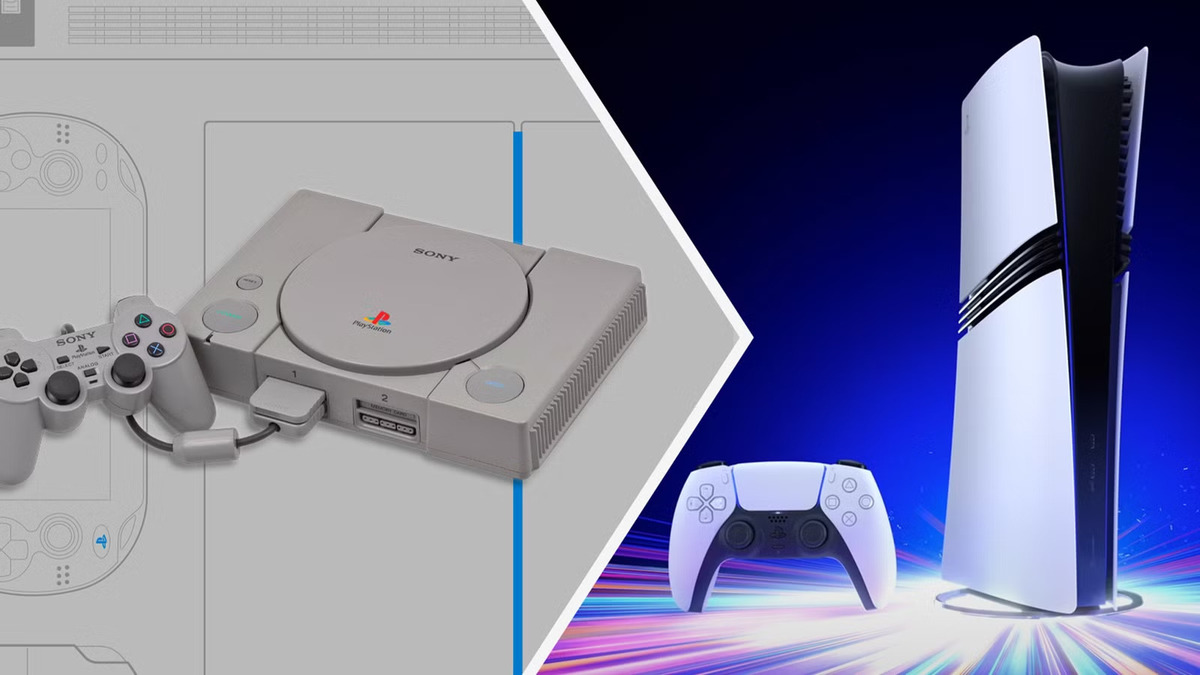
The global consumer electronics landscape is undergoing a calibrated transition, as Sony recalibrates the PlayStation console pricing standard to defy historical precedents. For the first time in the brand’s six-year product cycle, the PlayStation 5 costs significantly more than it did at launch. This structural deviation challenges the established baseline of hardware depreciation that defined every previous generation of gaming.
The Translation: Why Historical Models No Longer Apply
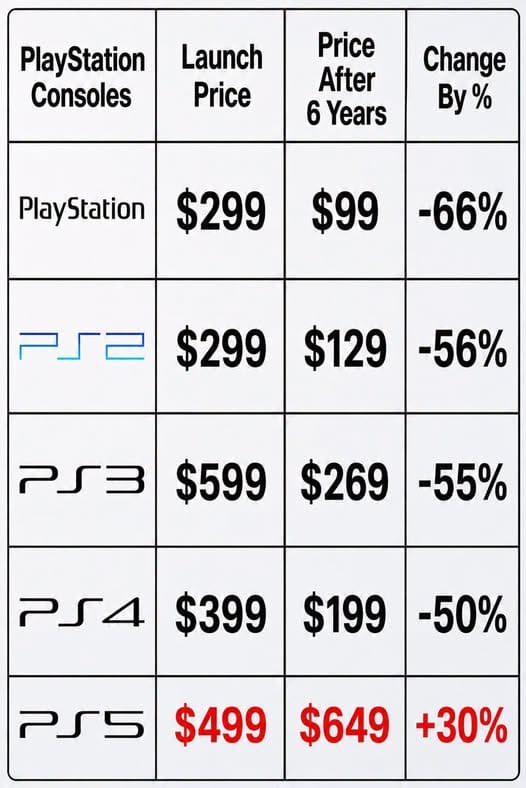
In previous decades, technology followed a predictable trajectory: launch at a premium, then scale production to lower costs. Consequently, Sony typically introduced “Slim” or redesigned models at lower price points. However, the PS5 has inverted this logic. The standard disc-drive model, which debuted at $499.99, now commands a price of $649.99—a precision-calculated increase of 30%.
Analyzing the PlayStation Console Pricing Legacy
To understand the magnitude of this shift, we must analyze the data points from previous architectural cycles. Historically, Sony aggressively reduced prices to capture market share:
- PlayStation 1: Launched at $299; later dropped to $99 via the PS One model, representing a 66% reduction.
- PlayStation 2: Debuted at $299 and eventually hit a baseline of $129.99, a 56% decrease in cost.
- PlayStation 3: The premium 60GB model launched at $599, but the later 250GB iteration fell to $269.99, marking a 55% drop.
- PlayStation 4: From a $399 launch, bundles reached a promotional low of $199.99 within six years, a 50% reduction.
Current Market Impact in Pakistan
The local economic environment intensifies the impact of these global shifts. Currently, the PS5 Slim Disc Edition maintains a market price of approximately Rs. 258,000 in Pakistan. Meanwhile, the high-performance PS5 Pro Digital Edition has reached a baseline of Rs. 385,000. For those seeking entry-level hardware, a used PS4 remains a strategic alternative, priced between Rs. 68,000 and Rs. 75,000.
The Socio-Economic Impact
This pricing pivot fundamentally alters the “Digital Barrier to Entry” for Pakistani households. As hardware becomes an appreciating asset rather than a depreciating one, gaming transitions from a mass-market utility to a high-net-worth investment. This shift forces students and young professionals to delay hardware upgrades, potentially slowing the adoption of next-gen digital skills and interactive media literacy in the region.
The Forward Path: Momentum Shift or Stabilization?
This development represents a Momentum Shift in the gaming industry. Sony is signaling that the era of subsidized hardware is ending, replaced by a “Premium Ecosystem” model. While this move secures corporate profit margins against global inflation and supply chain volatility, it risks creating a structural divide in global gaming access. For Pakistan, this necessitates a strategic focus on localized cloud gaming or alternative hardware solutions to maintain technological parity.








