
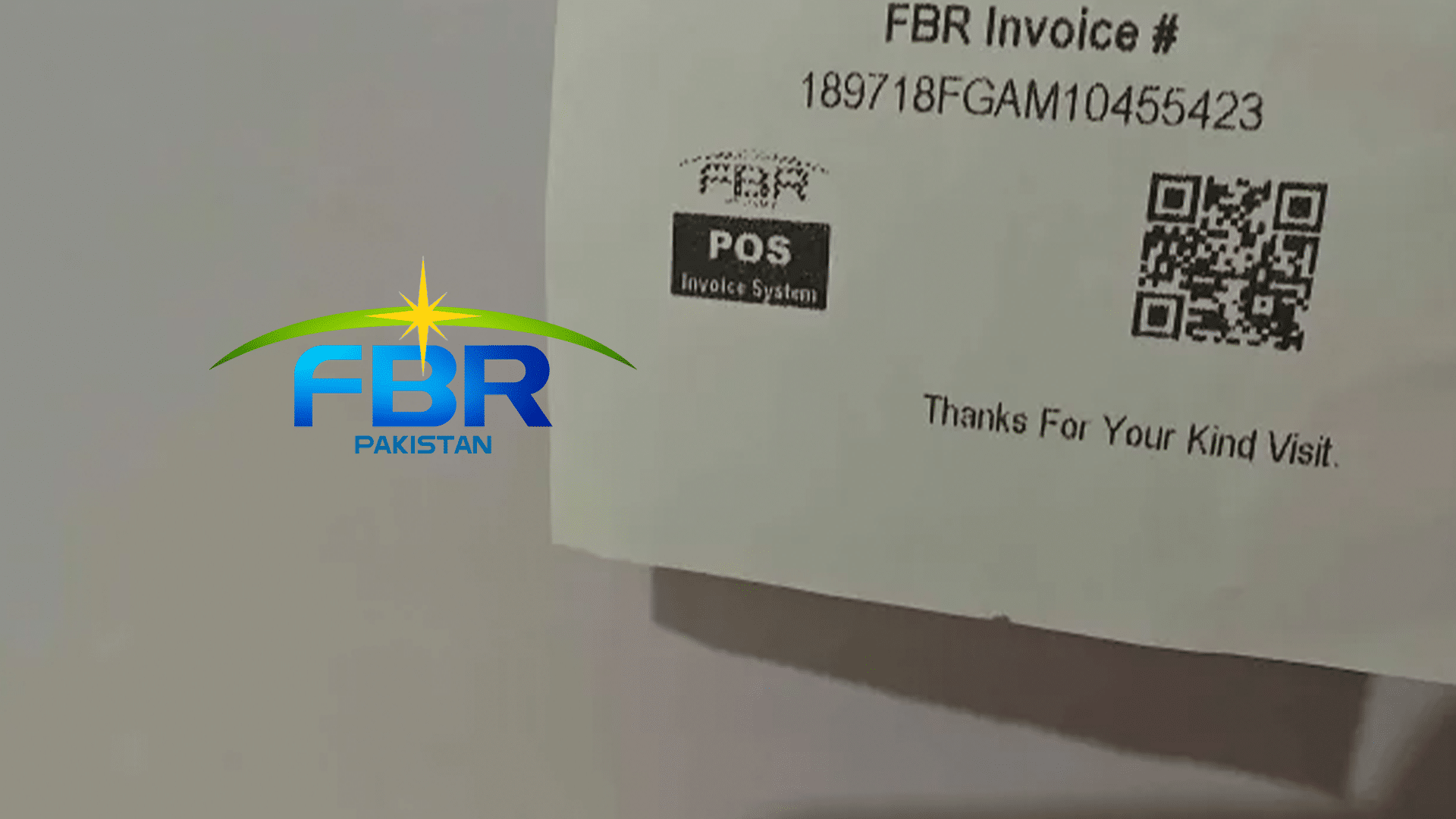
Pakistan is undergoing a structural calibration of its tax infrastructure as FBR POS registration successfully integrates 37,122 business branches into the national digital sales network. This tactical expansion, documented as of July 1, 2026, represents a fundamental shift toward automated fiscal transparency. By digitizing retail workflows, the Federal Board of Revenue (FBR) aims to eliminate the gray economy’s baseline and ensure that every transaction fuels national development.
Scaling Transparency via FBR POS Registration
The latest data indicates that 13,454 Tier-I entities are now operational within the digital reporting system. These businesses manage a vast network of outlets that ensure real-time documentation of the consumer economy. Specifically, the network comprises:
- Tier-I Retailers: 11,798 entities managing 24,687 integrated branches.
- Restaurants: 1,093 establishments across 1,716 linked outlets.
- Textile & Leather Sectors: 563 specialized retailers spanning 10,719 branches.
Consequently, this integration provides the government with a precise overview of consumer spending patterns across major urban centers. Strategically, this allows for more accurate revenue forecasting and reduces the margin for error in manual tax reporting.
The Translation: Making Sense of the Data
Integrating businesses into the Point of Sale (POS) system means the FBR receives real-time data on every sale. Previously, tax collection relied on manual reporting, which often allowed for structural leaks. This digital bridge ensures that the General Sales Tax (GST) paid by consumers reaches the national treasury with precision. Furthermore, the “Tier-I” designation targets high-turnover businesses, ensuring the most significant revenue streams are calibrated for maximum efficiency.
The Socio-Economic Impact
For the average Pakistani citizen, this shift enhances consumer rights significantly. Digital receipts serve as verifiable proof of purchase, which simplifies dispute resolution and warranty claims. Additionally, as FBR POS registration broadens the tax base, the government can eventually reduce the disproportionate tax burden on salaried individuals. In rural areas, the systematic documentation of textile and leather sectors stabilizes supply chain costs, potentially curbing inflation for basic goods over the long term.
The Forward Path: Momentum Shift
This development represents a Momentum Shift for Pakistan’s economic architecture. While the current integration of 37,000+ outlets is a catalyst for progress, it serves as the baseline for a more ambitious fiscal framework. To achieve true systemic efficiency, the FBR must now focus on technical uptime and user-friendly interfaces for small-scale vendors. If the government maintains this trajectory, Pakistan will move from a reactive tax model to a proactive, precision-driven digital economy.








