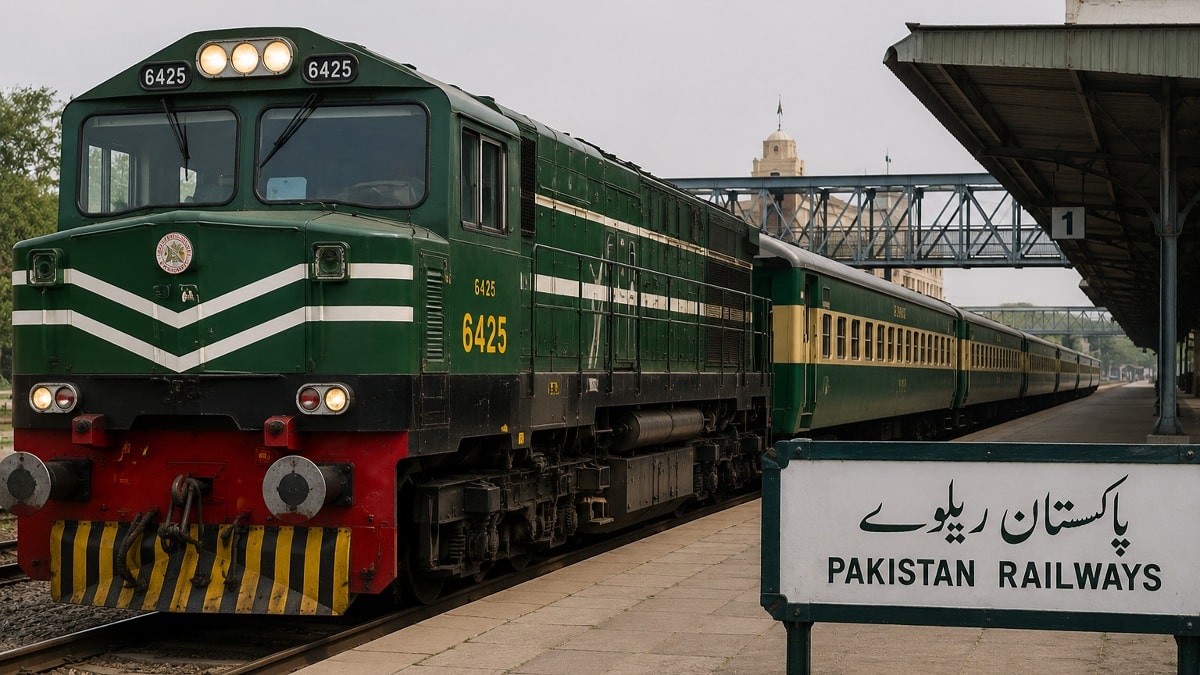
Strategic infrastructure serves as the primary catalyst for economic stabilization and regional mobility. Consequently, Pakistan Railways has announced the restoration of the Bulleh Shah train service between Lahore and Pakpattan, effective July 17. This calibrated move aims to optimize transit efficiency through a precision daily schedule, providing commuters with a reliable baseline for regional travel.
Structural Schedule of the Bulleh Shah Train
The system will operate daily to maximize passenger throughput across the Punjab corridor. Specifically, the Bulleh Shah train departs Pakpattan at 05:00 and reaches the Lahore terminal by 10:50. For the return leg, the locomotive departs Lahore at 16:00 and arrives back in Pakpattan by 21:30.
Calibrated Route and Capacity
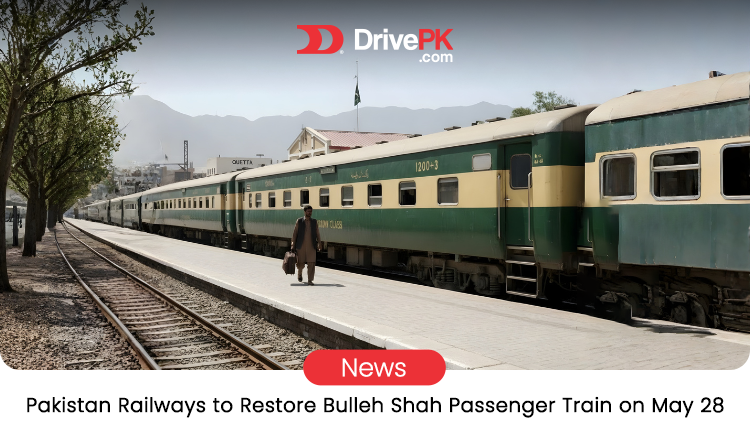
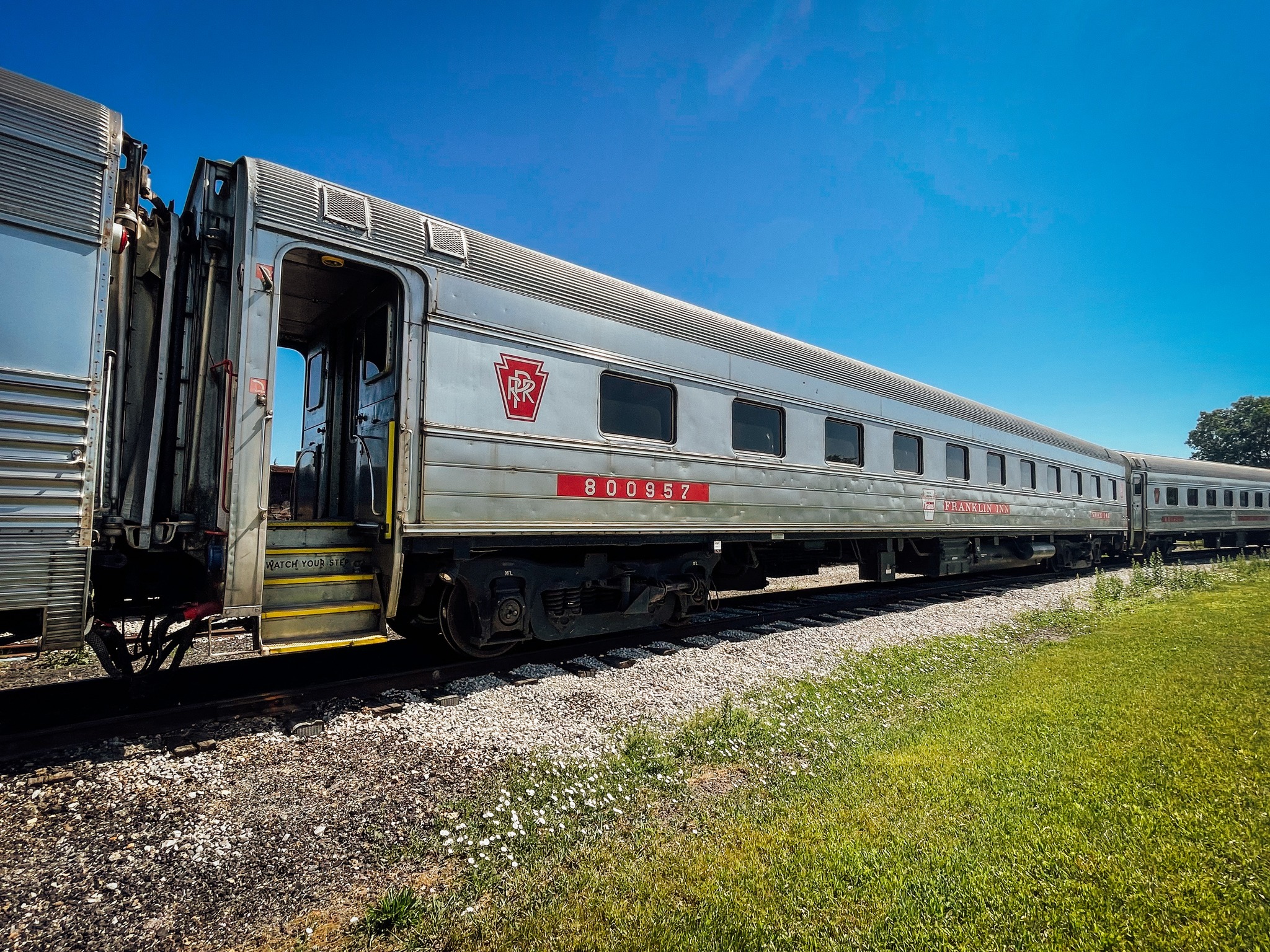
The service reconnects several critical destinations, including Kasur, Raiwind, and Kot Lakhpat. This restoration ensures that the regional labor force and students have access to affordable, high-volume transit. The train consist includes the following assets:
- Five economy-class coaches designed for maximum passenger density.
- One high-efficiency power van to ensure system reliability.
The Situation Room: Analysis
The Translation
In the context of national logistics, “restoration” refers to the reactivation of a strategic branch line. By re-integrating the Lahore-Pakpattan route via Kasur, Pakistan Railways is addressing a gap in the regional transit grid. This move leverages existing rolling stock to solve immediate mobility deficits without requiring massive capital expenditure for new infrastructure.
The Socio-Economic Impact
This development directly influences the daily efficiency of students, professionals, and small-scale traders. By providing a fixed-cost, reliable schedule, the Bulleh Shah train reduces the financial burden on middle-income households. Consequently, urban-rural integration improves, allowing the local economy in Pakpattan and Kasur to synchronize more effectively with the Lahore central market.
The Forward Path
This development represents a Stabilization Move. While not a massive technological leap like the Main Line-1 (ML-1) upgrade, reactivating dormant routes is essential for maintaining the system’s baseline utility. It reflects a strategic focus on optimizing current assets to serve the immediate needs of the Pakistani public.