
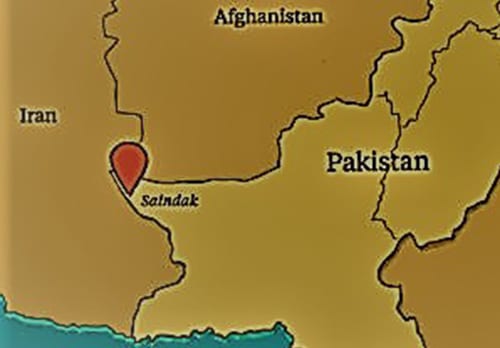
The potential Saindak mine shutdown represents a critical failure in the structural security of Pakistan’s mineral sector. National resource extraction requires more than geological deposits; it demands a calibrated logistical infrastructure that is currently under siege. Specifically, Saindak Metals Limited (SML) warned the Ministry of Energy that deteriorating law and order in Balochistan has paralyzed the movement of critical cargo. Consequently, the country’s largest operating copper and gold facility could cease all operations within thirty days.
Structural Friction: The Translation of Logistical Gridlock
Since 2001, the Metallurgical Corporation of China (MCC) has operated the Saindak Copper Gold Project through a strategic joint venture with SML. This partnership serves as a catalyst for Pakistan’s industrial exports, as the facility sends nearly its entire copper output to Chinese markets. However, the current security baseline in the province has shifted dangerously. Hazardous road conditions and infrastructure attacks have effectively severed the supply chain. Therefore, the “joint venture” model faces a precision test: can the state provide the security baseline required for foreign industrial investment?

Systemic Fallout: The Socio-Economic Impact on Pakistan
A Saindak mine shutdown would trigger a cascade of negative economic indicators for the average Pakistani citizen. Primarily, the loss of mineral export revenue devalues the national treasury, indirectly impacting the stability of the Rupee. For the local households in Balochistan, the mine represents a rare hub of formal employment and regional development. Furthermore, if the state fails to secure this asset, foreign investors may view Pakistan’s mining sector as a high-risk liability rather than a strategic opportunity. Consequently, this development threatens future precision projects in the Reko Diq region.

Strategic Trajectory: The Forward Path
This development represents a Stabilization Move that has unfortunately backfired into a crisis. While Pakistan remains committed to intensifying security measures, the current disruption suggests that current strategies lack the necessary precision to protect moving logistics. To avoid a total Saindak mine shutdown, the state must transition from reactive policing to a proactive, tech-driven security corridor. Ultimately, the survival of this mine is not just about gold and copper; it is about the credibility of Pakistan’s industrial future.








