
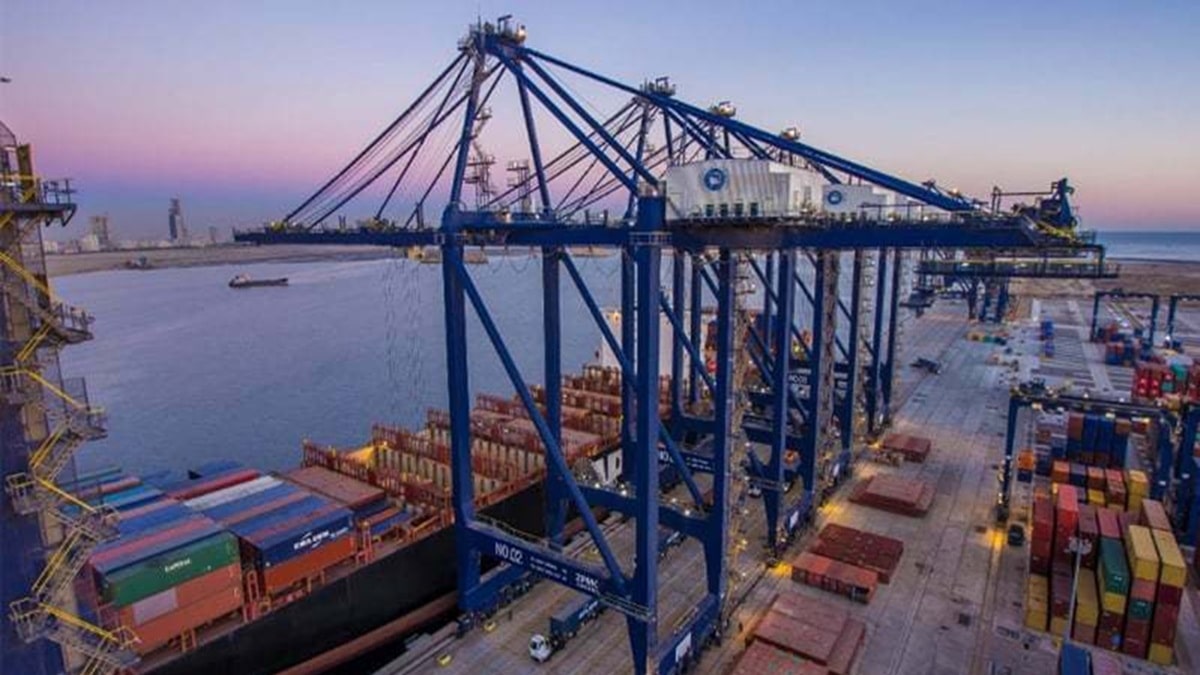
The structural recalibration of Sindh’s financial landscape begins with integrating maritime logistics and digital intelligence. Chief Minister Syed Murad Ali Shah recently unveiled a blueprint for Sindh economic infrastructure, featuring a new deep-sea port at Keti Bandar and sustainable AI-powered data centers. This strategic outreach to Indonesian investors aims to catalyze regional trade and modernize the province’s industrial baseline through precision-driven development projects and investor-friendly policies.
Modernizing Sindh Economic Infrastructure through AI
The provincial government is actively calibrating its digital frontier by establishing AI-enabled data centers powered by renewable energy. Consequently, this shift toward sustainable technology ensures that Sindh remains Pakistan’s primary economic hub. By leveraging Karachi’s existing financial networks and industrial zones, the government intends to create a high-efficiency corridor for value-added industries and information technology.
Furthermore, the proposed Sindh International Facilitation Centre (SIFC) in Karachi will streamline services for both local and foreign entrepreneurs. This facility acts as a central catalyst to reduce bureaucratic friction. Therefore, the administration is committed to creating a business-friendly environment through governance reforms and rapid infrastructure development.
Strengthening Bilateral Trade and Logistics
Chief Minister Murad Ali Shah emphasized that a Comprehensive Economic Partnership Agreement (CEPA) between Pakistan and Indonesia could significantly boost bilateral trade. He urged business leaders to identify complementary strengths and pursue joint ventures. Such agreements reduce barriers and facilitate smoother maritime commerce through the upcoming Keti Bandar port facility.
The Translation (Clear Context)
The government is essentially upgrading the province’s “operating system.” By building a new port, they are expanding the physical capacity for trade, while AI data centers provide the digital backbone for a modern economy. The SIFC acts as a “one-window” solution, meaning investors no longer need to navigate multiple departments; instead, they deal with a single, efficient entity.
The Socio-Economic Impact
This development directly influences the daily lives of Pakistani citizens by creating high-tech job opportunities for graduates and specialized labor roles in logistics. Sustainable energy projects, like solar and wind farms mentioned by the CM, aim to stabilize the power grid. For the average household, this precision in energy planning could eventually lead to more predictable utility costs and increased local employment in rural areas near Keti Bandar.
The Forward Path (Opinion)
This represents a Momentum Shift. Moving beyond traditional manufacturing into AI-driven data management and new maritime gateways shows a strategic pivot toward long-term growth. If the provincial government maintains this disciplined execution, Sindh will transition from a traditional trade hub into a precision-engineered digital economy.








