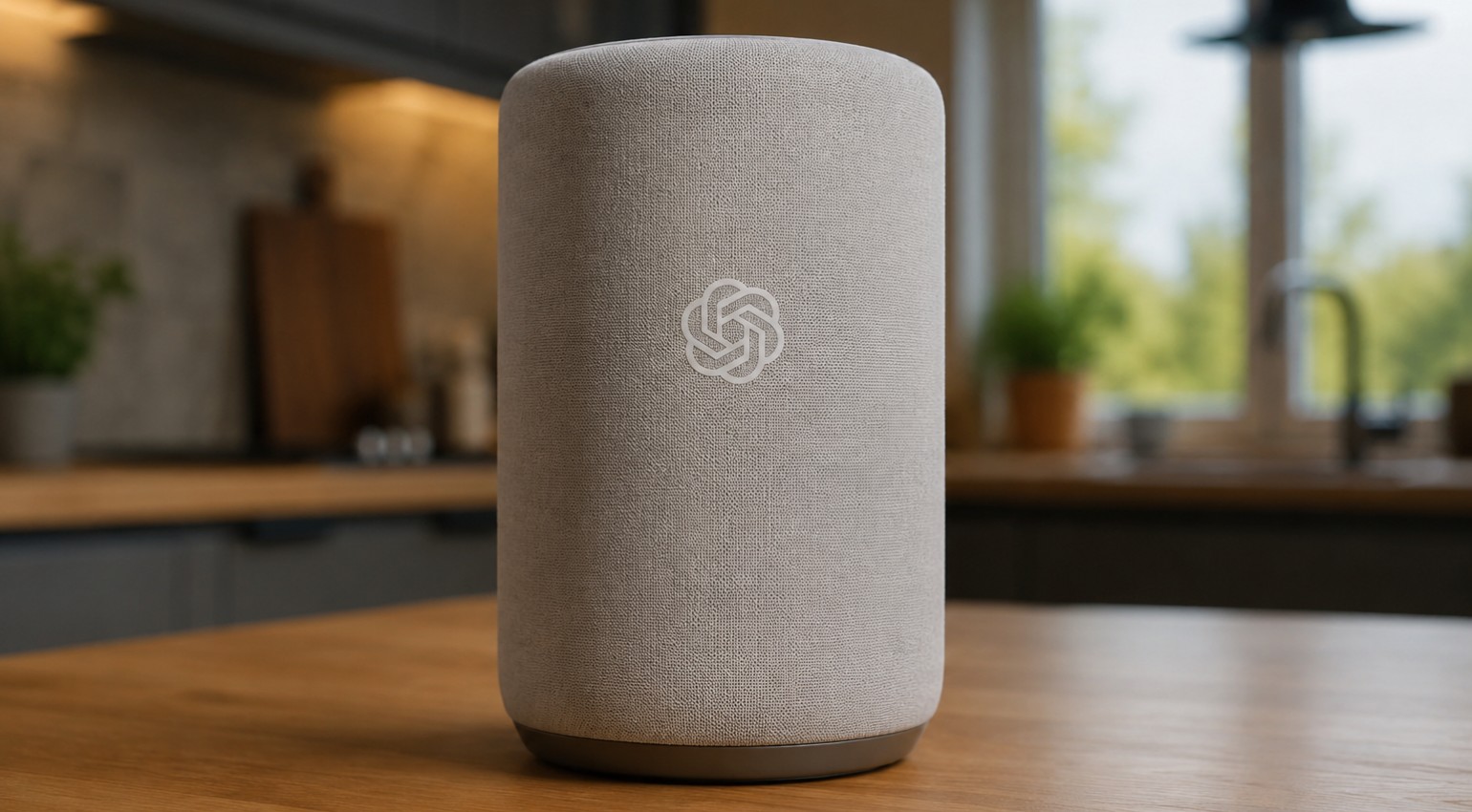
The transition from digital interfaces to physical manifestations marks a critical baseline for global technological evolution. Reports indicate that the first OpenAI hardware device will be a screen-free, mobile smart speaker designed to serve as a humanlike AI companion. This strategic move aims to integrate ChatGPT’s cognitive capabilities into a tangible, reactive form factor for the modern home environment.
The Translation: Deciphering the OpenAI Hardware Device
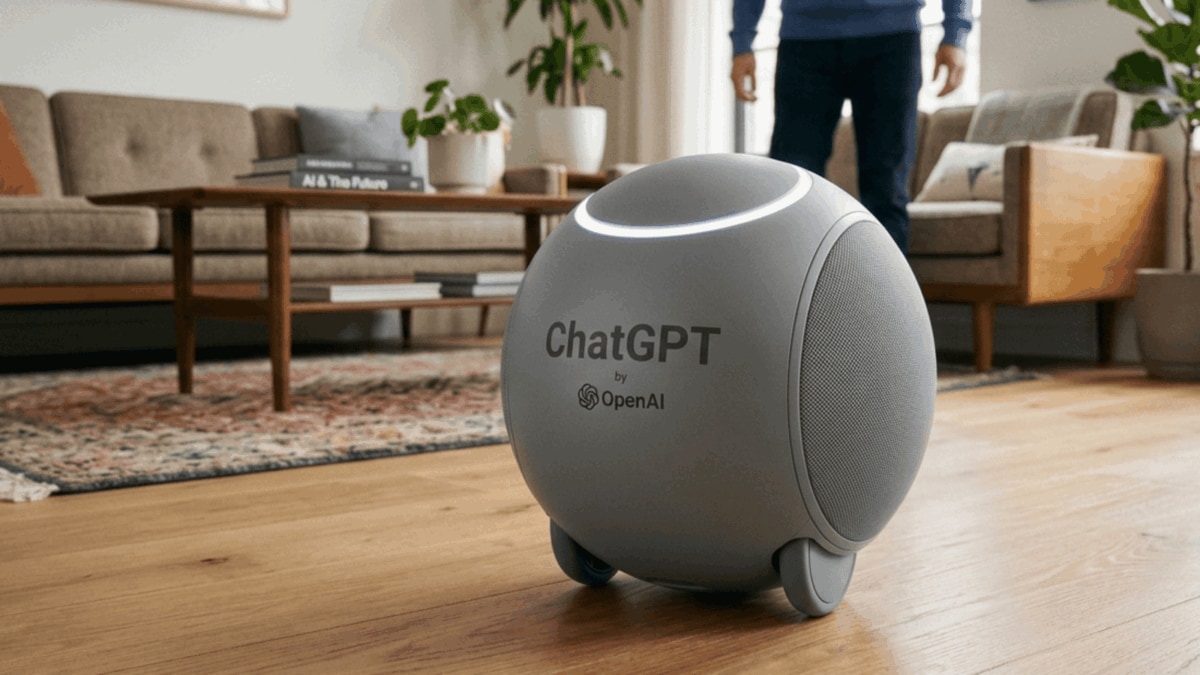
In technical terms, OpenAI is shifting from “Passive AI”—where users must initiate interaction via a screen—to “Active Presence.” The OpenAI hardware device is not merely a speaker; it is a calibrated sensor array. By removing the screen, the developers force a reliance on natural language processing and spatial awareness. Consequently, the device uses mechanical elements to simulate lifelike movement, creating a psychological bridge between machine logic and human interaction.

The Socio-Economic Impact: Precision for Pakistani Households
For the Pakistani professional and student, this development represents a catalyst for domestic efficiency. As smart home infrastructure matures in urban centers like Karachi and Islamabad, a dedicated OpenAI hardware device could automate complex scheduling and administrative tasks. Furthermore, the inclusion of camera-driven context awareness allows the device to assist in educational environments, providing real-time feedback for remote learners without the distractions of a traditional tablet or smartphone screen.
- Systemic Efficiency: Personal AI assistants can manage utility consumption and security protocols.
- Educational Catalyst: Screen-free interaction encourages auditory learning and reduces digital fatigue.
- Market Growth: This move signals a new hardware sector for local developers to integrate with OpenAI’s ecosystem.

Structural Engineering: The Apple Influence
The precision of this OpenAI hardware device is reinforced by high-level talent acquisitions. By merging with io—the startup co-founded by former Apple design chief Jony Ive—OpenAI has secured architectural expertise unparalleled in the industry. These former Apple engineers are likely calibrating the device to mirror the seamless integration of the iPhone or Mac. However, this progress has triggered legal friction, as Apple recently filed a trade-secret lawsuit regarding confidential hardware information.

The Competitive Landscape
OpenAI enters a field where the “AI-first” hardware category remains unproven but highly capitalized. Competitors like Hark have secured significant Series A funding, yet OpenAI’s advantage lies in its baseline software: ChatGPT. This device serves as a physical gateway to their existing ecosystem, potentially stabilizing their position as the dominant interface between humans and machines.
The Forward Path: A Momentum Shift
Our analysis categorizes the upcoming OpenAI hardware device as a Momentum Shift. While a smart speaker may seem like a stabilization move, the integration of kinetic movement and deep digital life access (like emails and calendars) signals a departure from static hardware. If OpenAI successfully navigates the Apple lawsuit, they will set the new standard for precision robotics in the consumer sector. This is the first step toward a future where AI is not just a tool we use, but a presence we coexist with.