
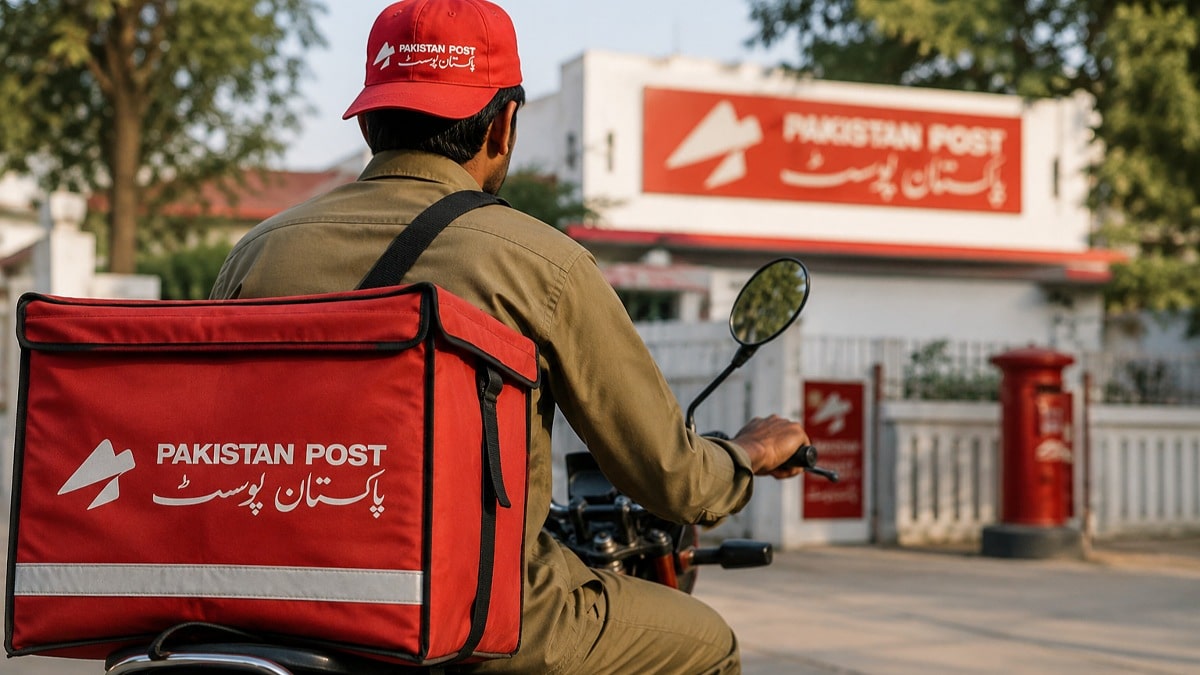
Pakistan Post has recently calibrated its operational expenditure by implementing a uniform Pakistan Post fuel allowance for its entire delivery workforce. This strategic shift replaces the legacy tiered system with a baseline allocation of 30 liters per month for all personnel. Consequently, this policy reflects a significant structural adjustment in how the department manages its national logistics network.
The Structural Shift in Pakistan Post Fuel Allowance
Under the previous framework, fuel distribution was segmented based on city size and job description. Postmen traditionally received 35 liters, while delivery agents in major urban hubs like Karachi, Lahore, and Islamabad were entitled to up to 60 liters. Furthermore, agents in smaller cities operated with a 50-liter threshold. The new directive, approved by the Director General, eliminates these distinctions entirely. Every agent will now operate under a rigid 30-liter monthly limit, regardless of their geographical location or delivery volume.

In addition to these cuts, the Director General has issued a specific mandate to all postmasters general. They must prioritize the clearance of pending fuel reimbursement claims. However, these payments remain contingent upon the availability of funds for the 2026-27 fiscal year. This directive applies across all major postal circles, including Rawalpindi, Peshawar, Multan, Hyderabad, Quetta, and Muzaffarabad.
The Situation Room Analysis
The Translation (Clear Context)
In technical terms, Pakistan Post is moving from a “variable operational cost model” to a “fixed-cap expenditure model.” By standardizing the Pakistan Post fuel allowance, the department is attempting to achieve fiscal predictability. While this simplifies the accounting process, it ignores the “last-mile complexity” inherent in large metropolitan areas. Essentially, the department is prioritizing budget uniformity over the varied logistical demands of urban versus rural delivery routes.
The Socio-Economic Impact
This policy change directly affects the daily lives of thousands of delivery workers. For a postman in Karachi, a reduction from 60 liters to 30 liters represents a 50% cut in resources. Consequently, this may lead to slower delivery times for citizens as staff must optimize fewer trips. For the households and professionals relying on timely document arrival, this shift could result in a “logistics bottleneck.” Furthermore, the workers themselves may face increased personal costs if they choose to exceed the 30-liter cap to fulfill their duties.

The “Forward Path” (Opinion)
We classify this development as a Stabilization Move focused on maintenance rather than a momentum shift toward progress. While fiscal discipline is necessary for state-owned enterprises, cutting the “fuel for the engine” of the department—the delivery agents—is a risky strategy. A more “Next Gen” approach would involve investing in electric bike fleets or AI-driven route optimization. Until such modernization occurs, this uniform fuel cap remains a precision-less tool applied to a complex logistical problem.









