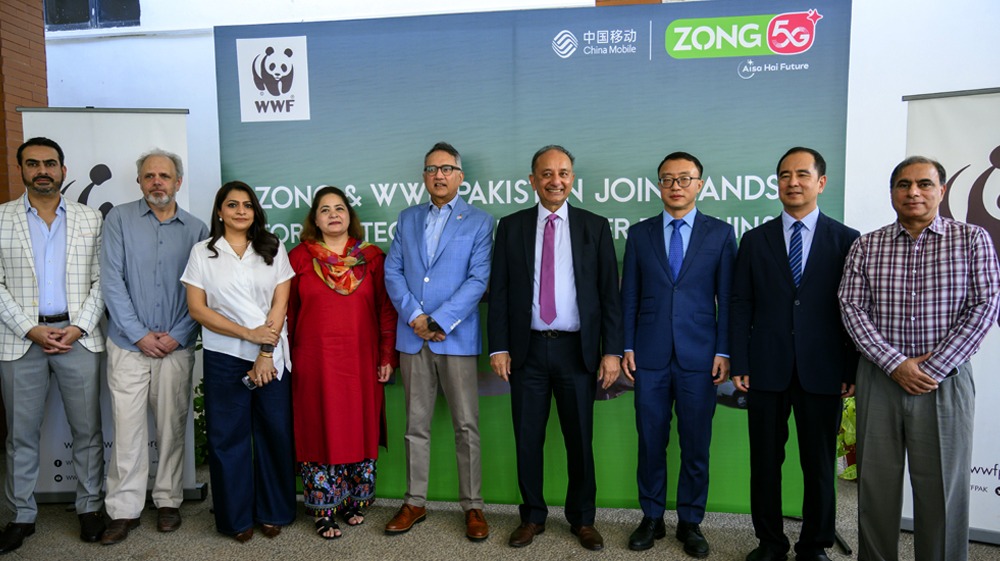
National advancement relies on a calibrated balance between technological growth and ecological preservation. Zong, Pakistan’s leading technology services enterprise, has partnered with WWF-Pakistan to spearhead a strategic Indus River Dolphin conservation initiative. This high-impact collaboration focuses on safeguarding the Platanista minor, one of the world’s rarest freshwater dolphin species and a vital indicator of the Indus River’s health.
Calibrated Action for Wildlife Preservation
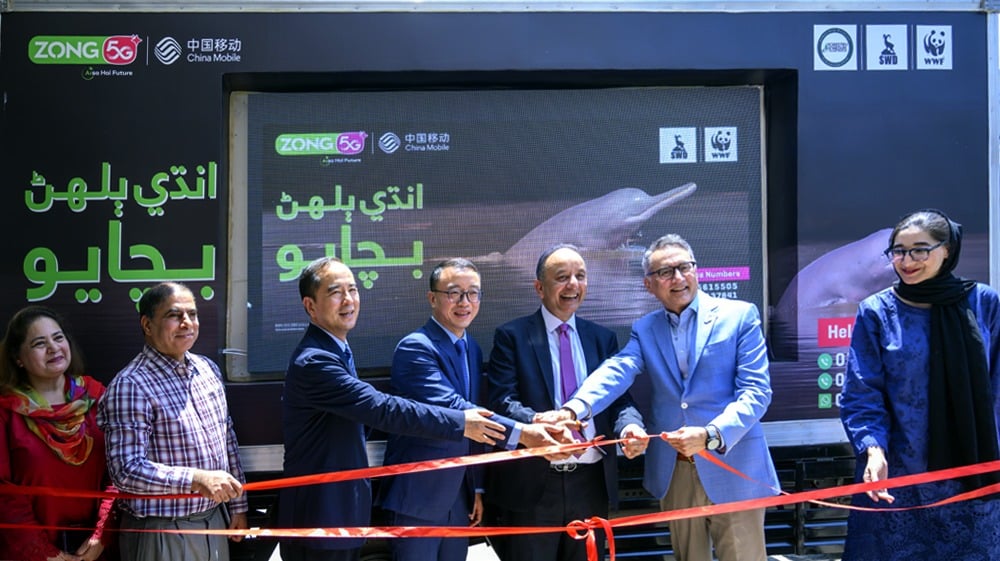
The partnership recently achieved a major milestone with the inauguration of the Indus Dolphin Rescue and Mobile Awareness Ambulance in Islamabad. Federal Minister for Climate Change, Dr. Musadik Malik, alongside Zong CEO Mr. Huo Junli, highlighted the structural importance of this mission. The project deploys specialized units to the Sindh region, specifically targeting the dolphin population between the Guddu and Sukkur barrages.
This initiative focuses on four precision pillars:
- Enhanced Rescue Operations: Rapid response for dolphins stranded in irrigation canals.
- Ecological Monitoring: Data-driven tracking of the estimated 2,000 remaining dolphins.
- Community Engagement: Training 1,500 local fisherfolk as frontline conservationists.
- Environmental Awareness: Delivering 50 strategic educational sessions in remote riverine settlements.
The Situation Room: Analysis
The Translation (Clear Context)
While the Indus River Dolphin is biologically blind, it serves as a structural baseline for the entire river ecosystem. In “Next Gen” terms, this dolphin is the ecosystem’s sensor; its health directly reflects the water quality and flow efficiency of our most vital waterway. By funding a mobile rescue unit, Zong is not just “saving an animal”; they are building a rapid-response infrastructure to mitigate habitat fragmentation caused by human engineering.
The Socio-Economic Impact
This project directly stabilizes the livelihoods of riverine communities. By engaging 1,500 fisherfolk, the initiative converts potential ecological competitors into paid conservation partners. Consequently, this shifts the local economy from extractive to regenerative practices. For the average Pakistani, a healthier Indus River system ensures more reliable water security and sustainable fish stocks for the future.
The Forward Path (Opinion)
This development represents a Momentum Shift. Moving beyond conventional corporate philanthropy, Zong is integrating environmental stewardship into its core sustainability pillars. The transition from passive observation to active, mobile rescue units demonstrates a precision-driven approach to biodiversity. If scaled, this model of private-sector-led conservation could become the catalyst for national ecological resilience.
A Vision for Inclusive Growth
Zong’s commitment to “Green & Low Carbon Operations” aligns with the broader goal of building a closer China-Pakistan community. Chief Regulatory Officer Mr. Kamran Ali emphasized that this project is a concrete expression of environmental stewardship. By bridging the gap between digital innovation and nature, Pakistan can achieve a future where technology serves as a catalyst for environmental restoration.