
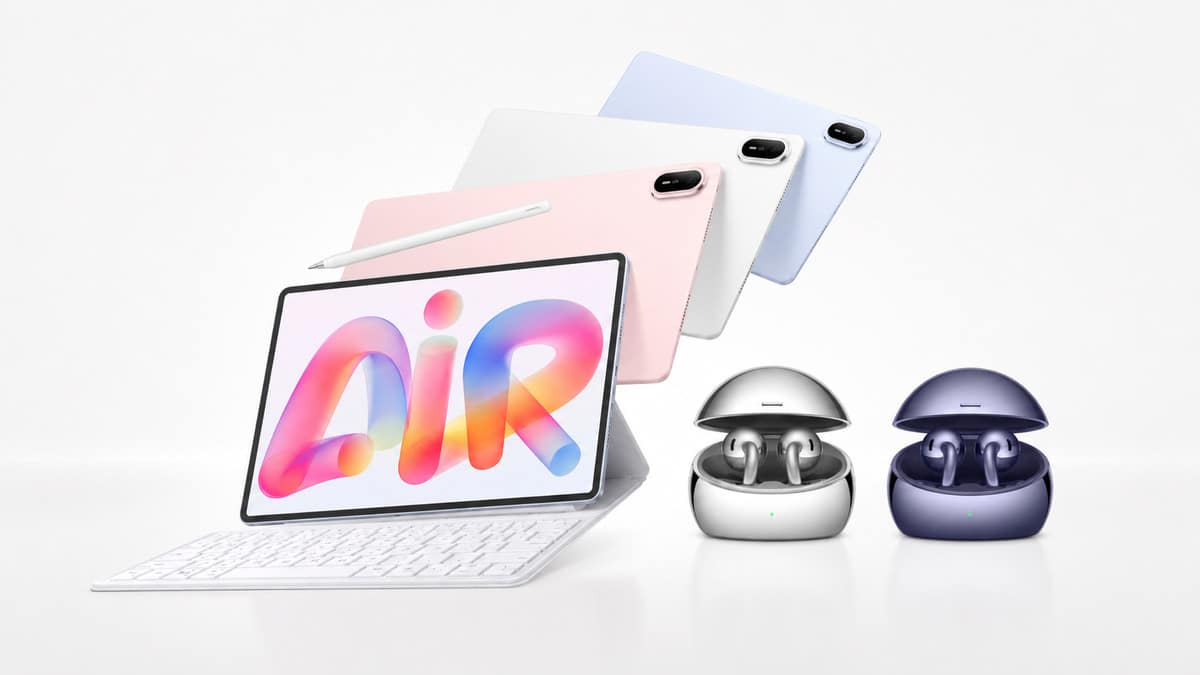
Technology serves as the structural backbone of national efficiency. The recent Huawei Global Launch marks a strategic calibration of mobile productivity and wearable innovation, introducing the FreeClip 2 S Signature Edition and the MatePad Air 2026. These devices represent more than simple hardware refreshes; they are calibrated tools designed to optimize the digital workflow of the modern professional. Consequently, this development signals a shift toward precision-engineered ecosystems that prioritize user health and visual clarity.
The Precision of the Huawei Global Launch
Huawei’s architectural approach to audio manifests in the FreeClip 2 S Signature Edition. Maintaining the iconic open-ear C-bridge structure, the earbuds weigh a mere 5.1g, ensuring long-term ergonomic stability. Furthermore, the integration of Bluetooth 6.0 and an IP57 durability rating provides a resilient baseline for active users. The 10.8mm dual-diaphragm driver delivers high-fidelity sound, while the NPU-driven AI processor manages ambient noise in real-time. Consequently, the updated Adaptive Volume system ensures audio clarity without isolating the user from their environment.
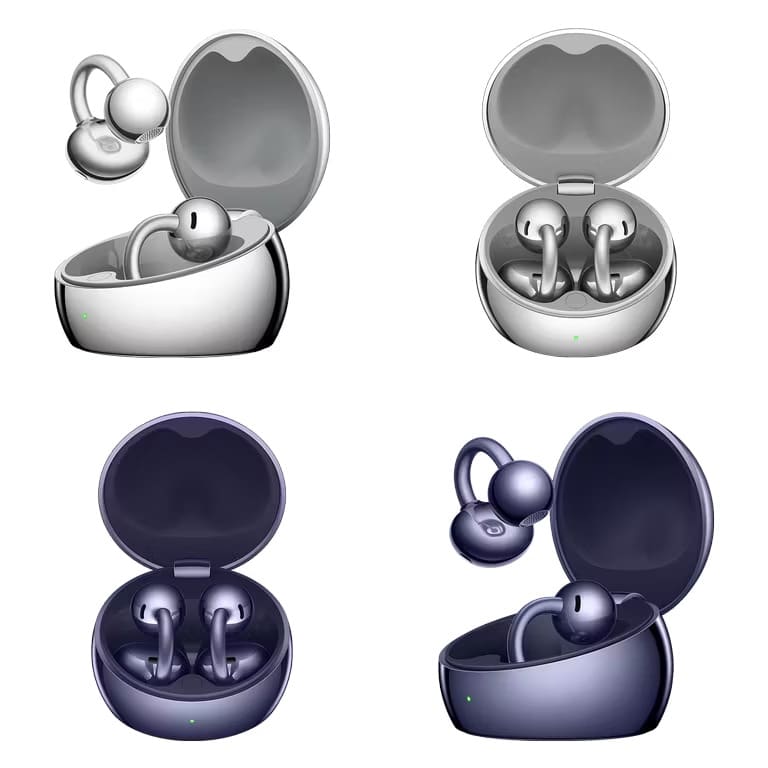
Battery performance remains a catalyst for productivity, offering 9 hours of continuous playback. When paired with the charging case, the system provides a 38-hour operational window. Specifically, a 10-minute fast charge restores 3 hours of utility, minimizing downtime for the high-output professional.
The MatePad Air 2026: Visual Literacy Re-Imagined
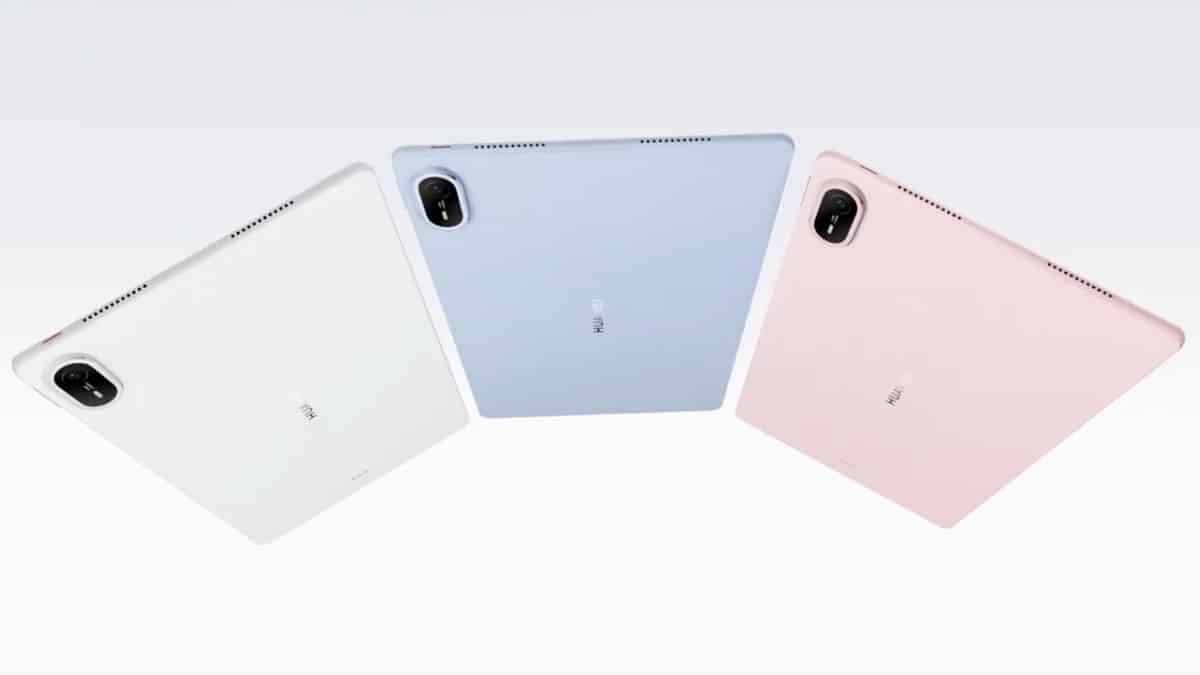
The MatePad Air 2026 represents a structural leap in tablet technology. At only 5.3mm thick, it houses a 12-inch OLED PaperMatte display that redefines eye comfort. With a 2800 × 1840 resolution and 1200 nits of peak brightness, the screen ensures legibility in diverse lighting conditions. The Kirin T93C chipset powers the device, supporting advanced AI features that streamline creative and technical tasks. Additionally, the 10,100mAh battery ensures the device sustains high-intensity workloads throughout the day.
The Situation Room
The Translation: Technical Clarity
The transition to OLED PaperMatte technology is not merely an aesthetic choice. Traditional OLEDs often suffer from glare, which induces ocular fatigue. By applying a nano-level texture to the glass, Huawei diffuses reflections while maintaining the infinite contrast of OLED. Similarly, the use of a dedicated NPU (Neural Processing Unit) in earbuds allows for localized AI processing. This means the device adjusts volume based on environmental physics rather than simple software presets.
The Socio-Economic Impact: Empowering Pakistan’s Digital Tier
For the Pakistani student and professional, these tools address the “Digital Fatigue” barrier. The PaperMatte technology is a strategic asset for students reading long-form academic papers on tablets. Furthermore, the open-ear audio design is critical for urban safety in bustling cities like Karachi or Lahore, allowing professionals to stay connected to their digital environment without losing situational awareness of local traffic and surroundings.
The Forward Path: Momentum Shift
This development represents a Momentum Shift. Huawei is moving away from the “specs race” and toward “system efficiency.” By focusing on eye health and AI-driven environmental adaptation, they are setting a baseline for how technology should integrate into a human-centric lifestyle. This precision-first approach is exactly what the Next Generation of Pakistani innovators needs to maintain a competitive edge in the global digital economy.








