Xiaomi has officially calibrated the mid-range smartphone market with the launch of the Redmi Note 17 series. This new lineup, featuring both the vanilla Note 17 and the high-performance Note 17 Pro, prioritizes structural durability and massive energy reserves. Consequently, these devices represent a strategic shift toward long-term hardware reliability. While the initial release serves the Chinese market, a global rollout is expected to catalyze international sales later this year.
Calibrated Engineering: Design and Display Excellence
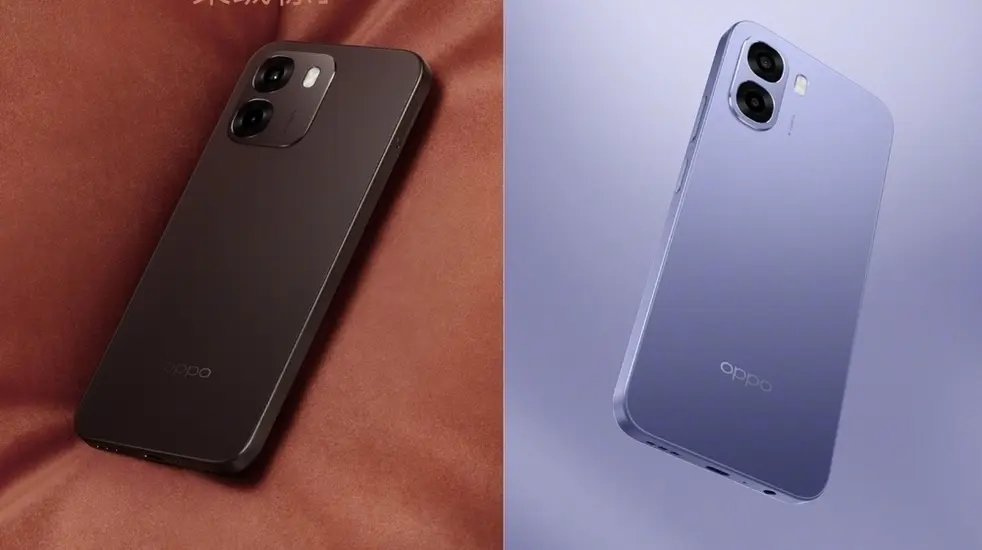
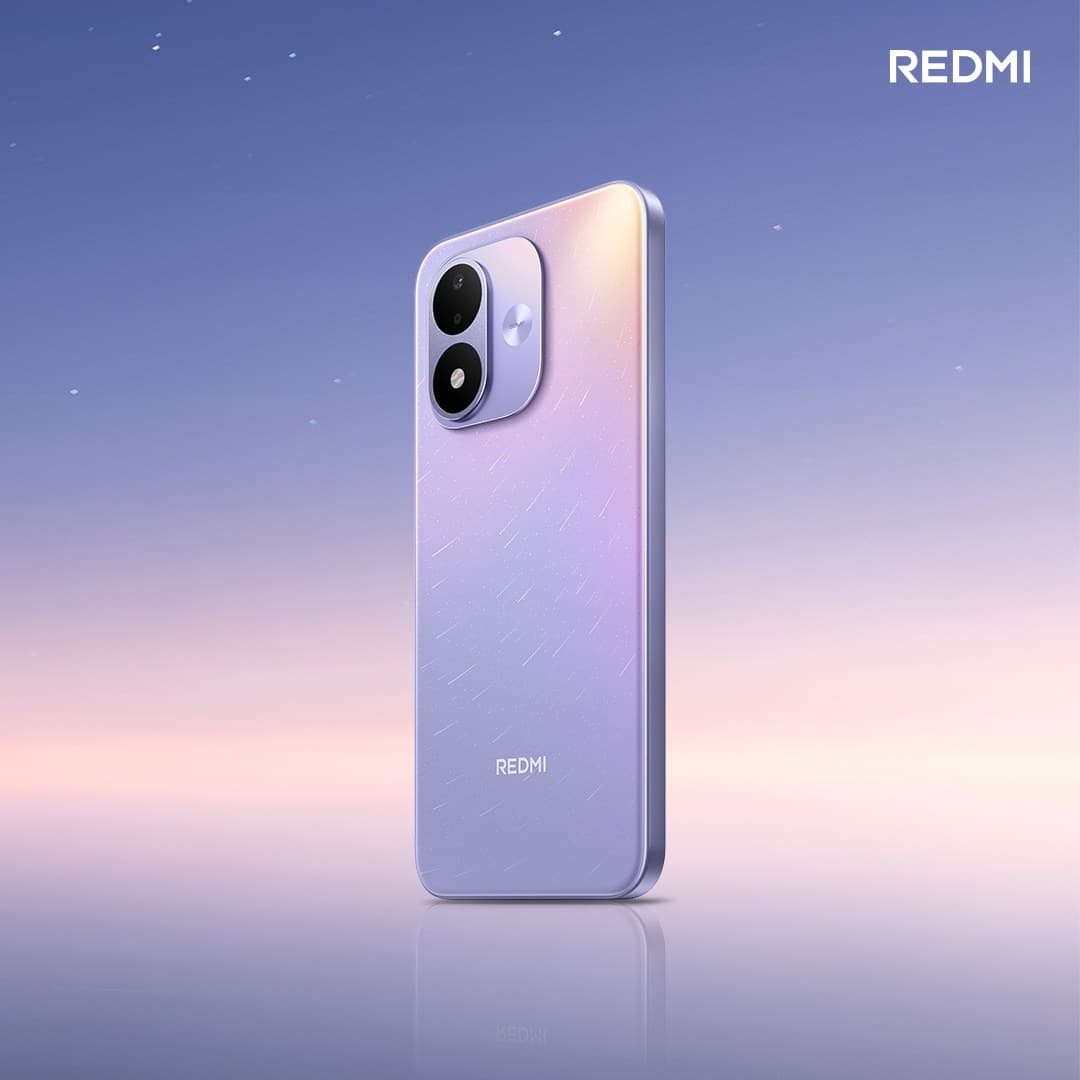
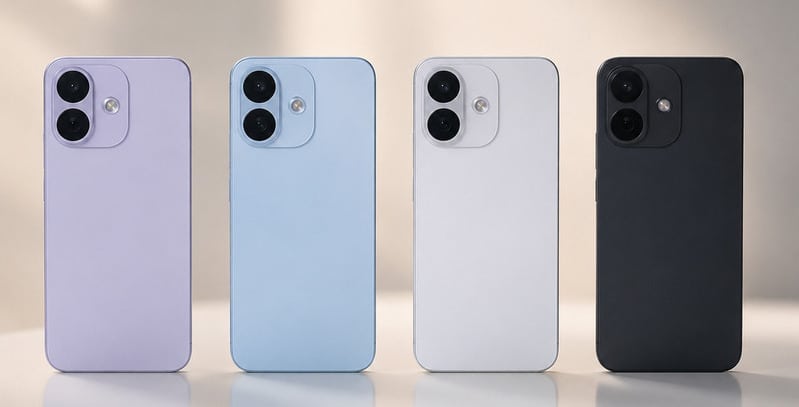
The Redmi Note 17 series utilizes a precision-engineered flat display design complemented by a streamlined rectangular camera module. Furthermore, the standard model features a 7-inch Samsung E4 Pro OLED display, offering vibrant 1080p resolution. Xiaomi equipped this variant with a resilient plastic frame and Gorilla Glass 7i, achieving an IP65 rating for dust and water resistance. In contrast, the aesthetic options include Meteor Purple and Green, with the former showcasing a unique celestial pattern on the rear casing.
The Redmi Note 17 Pro upgrades the visual interface with a 6.83-inch OLED panel boasting 1.5K resolution. This display reaches a calibrated peak brightness of 3,500 nits, ensuring legibility under intense solar radiation. Additionally, the Pro variant features Gorilla Glass Victus 2 and an IP69K rating. This specific structural baseline provides superior protection against high-pressure water jets and extreme environments.
Strategic Processing: Snapdragon and HyperOS 4
Internal components for the Redmi Note 17 series rely on Qualcomm’s latest silicon architecture. The standard model integrates the Snapdragon 4 Gen 4 chipset, providing a cost-effective 5G entry point on a 4nm process. Conversely, the Pro model utilizes the Snapdragon 6s Gen 4, an upper-tier processor designed for faster computational performance and multi-tasking efficiency. Both devices run HyperOS 4, based on Android 16, which includes advanced AI protocols for deepfake detection and fraud prevention during voice calls.

Energy Precision: The 9,000 mAh Catalyst
The defining technical achievement of the Redmi Note 17 series is its unprecedented battery capacity. Xiaomi engineered the standard model with an 8,000 mAh cell supported by 45W charging. However, the Pro variant pushes the baseline further with a massive 9,000 mAh battery and 67W wired charging. These energy metrics suggest a 3-day operational window for average users, effectively neutralizing “range anxiety” in the mobile sector.

Redmi Note 17 Series Specifications
- Redmi Note 17 Price: Starting at $192 (6GB/128GB) up to $236 (8GB/256GB).
- Redmi Note 17 Pro Price: Starting at $236 (8GB/128GB) up to $310 (8GB/512GB).
- Charging: 45W (Standard) / 67W (Pro) with 22.5W reverse charging.
- Software: HyperOS 4 based on Android 16.
The Situation Room: Analysis
The Translation
Xiaomi is shifting its focus from “pure speed” to “utility and endurance.” By integrating IP69K ratings (the highest level of protection) and batteries that nearly double the industry standard of 5,000 mAh, they are targeting users who require a tool rather than a toy. The inclusion of AI-driven fraud detection in HyperOS 4 further suggests a shift toward securing the user’s digital and financial identity at the hardware level.
The Socio-Economic Impact
For the average Pakistani citizen, particularly gig economy workers, students, and professionals in areas with frequent power outages, the Redmi Note 17 series is a game-changer. A phone that lasts three days on a single charge reduces the reliance on a stable power grid. Furthermore, the high durability ratings make these devices ideal for the diverse and often harsh environmental conditions found across urban and rural Pakistan.
The Forward Path (Opinion)
This development represents a Momentum Shift. While most manufacturers are making incremental changes to camera sensors, Xiaomi is addressing the fundamental pain points of mobile technology: battery life and physical longevity. By setting a 9,000 mAh baseline for mid-range devices, they are forcing the industry to reconsider what “standard” battery life should look like in 2026.