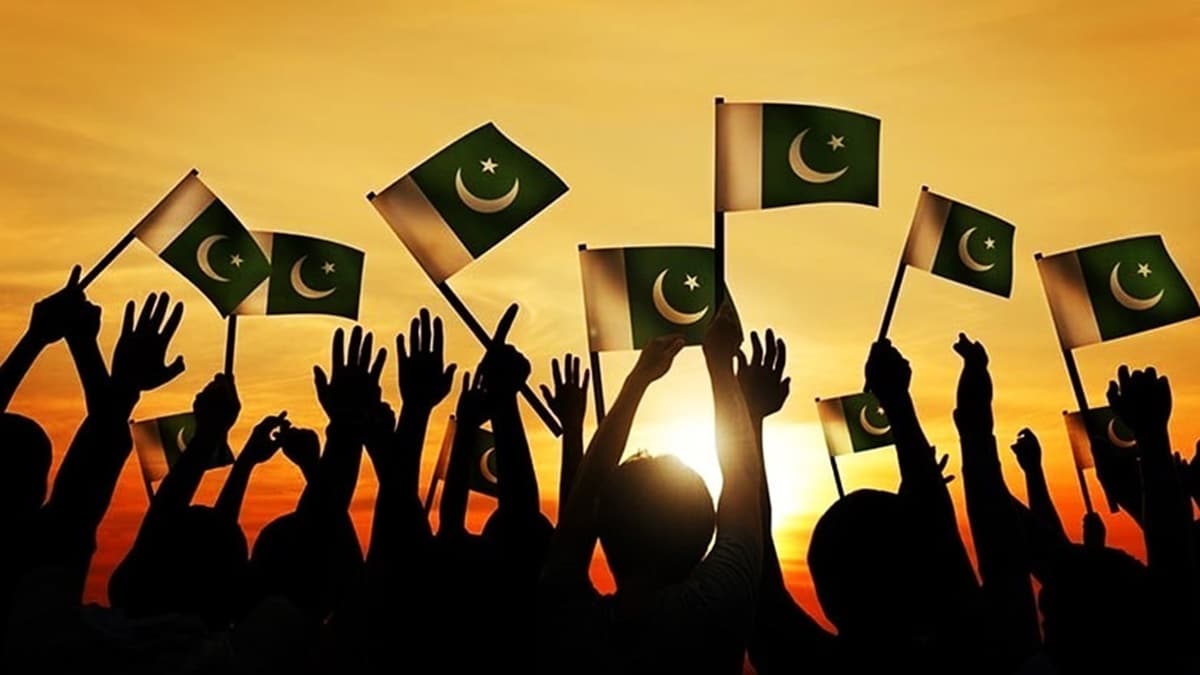
The demographic blueprint of Pakistan is undergoing a seismic shift, requiring a strategic recalibration of national priorities. A recent United Nations Population Fund (UNFPA) report reveals that Pakistan youth optimism remains high, with 76% of young citizens feeling positive about their future prospects. This baseline of hope serves as a critical catalyst for national development as the country navigates a complex economic landscape.
Analyzing the Catalyst: High Levels of Pakistan Youth Optimism
The UNFPA released these findings in its global report, “Lives, Choices and Futures,” ahead of World Population Day 2026. This comprehensive study integrated responses from over 100,000 individuals globally, including a calibrated sample of 1,700 Pakistanis aged 18 to 39. Consequently, the data provides a precise snapshot of the collective mindset of the nation’s largest demographic segment.
Pakistan’s population has reached a strategic peak of approximately 257.2 million. Remarkably, nearly one-third of these individuals fall between the ages of 10 and 24. Dr. Luay Shabaneh, the UNFPA Pakistan Representative, emphasized that the country’s stability depends entirely on the opportunities and capabilities provided to these young architects of the future.

Structural Hurdles: Economic Insecurity and Digital Gaps
Despite the prevailing Pakistan youth optimism, significant structural barriers persist. Approximately 53% of respondents expressed deep concerns regarding conflict, security risks, and economic inequality. Furthermore, young people in rural areas lack the necessary digital infrastructure to compete in a modern global economy. The UNFPA highlighted several critical areas for immediate intervention:
- Digital Inclusion: Expanding internet access for girls and rural youth to ensure cognitive equity.
- Skills Training: Developing technical vocational pathways that align with global market demands.
- Healthcare Precision: Implementing youth-friendly reproductive health services and strengthening midwifery systems.
- Gender Equality: Constructing stronger legal frameworks to prevent child marriage and promote financial autonomy.
The Situation Room Analysis
The Translation (Clear Context)
The “demographic dividend” is often discussed in abstract terms, but this report translates it into a measurable reality. The high rate of Pakistan youth optimism indicates that the human capital is ready; however, the systemic infrastructure is currently lagging. The UNFPA is essentially stating that population policy is no longer about managing numbers—it is about managing rights, housing, and healthcare as integrated components of national security.
The Socio-Economic Impact
For the average Pakistani household, this development indicates a shift toward a knowledge-based economy. When we prioritize digital inclusion, a girl in a remote village in Balochistan gains the same educational baseline as a student in Lahore. This connectivity reduces rural-to-urban migration pressure and stabilizes the domestic labor market, ultimately increasing the household purchasing power of the middle class.
The Forward Path (Opinion)
This development represents a Momentum Shift. The 76% optimism rate is a powerful fuel source, but fuel requires an engine. If the government fails to implement the UNFPA’s recommendations regarding digital inclusion and skill-building, this optimism could pivot into frustration. We must move beyond stabilization moves and execute a strategic investment in youth-centric systems to capitalize on this unique historical window.