
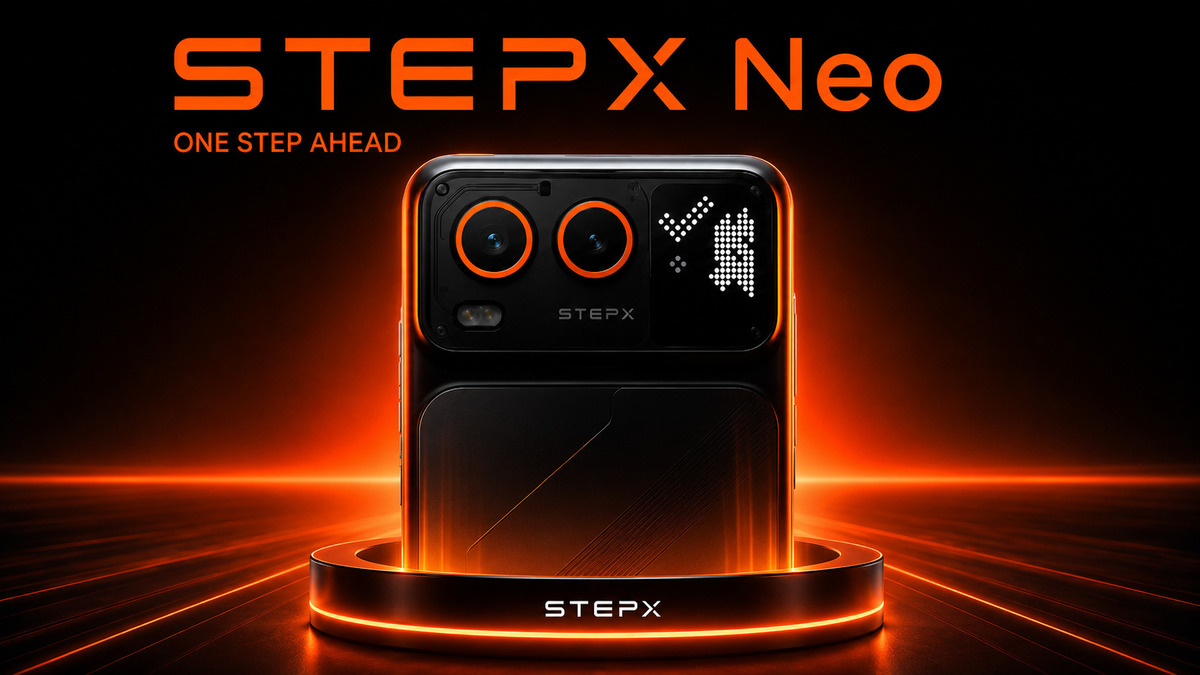
The global race for system efficiency has entered a new phase. Chinese startup StepFun recently previewed the StepX Neo, marking a calibrated shift toward the world’s first agentic AI phone. This device represents a structural departure from traditional mobile interfaces that rely on static application silos. By integrating a native large language model into its core architecture, StepFun aims to redefine human-device interaction through precision automation.
Core Architecture: Step AOS and the Amoo Assistant
The StepX Neo operates on Step AOS, which the company identifies as an agent-native operating system. Consequently, the device moves beyond basic chatbot functions to provide a holistic execution environment. The system utilizes a built-in assistant named Amoo to navigate across various applications autonomously on behalf of the user. Instead of requiring manual input for every step, the system understands natural language to plan and complete complex, multi-stage workflows.
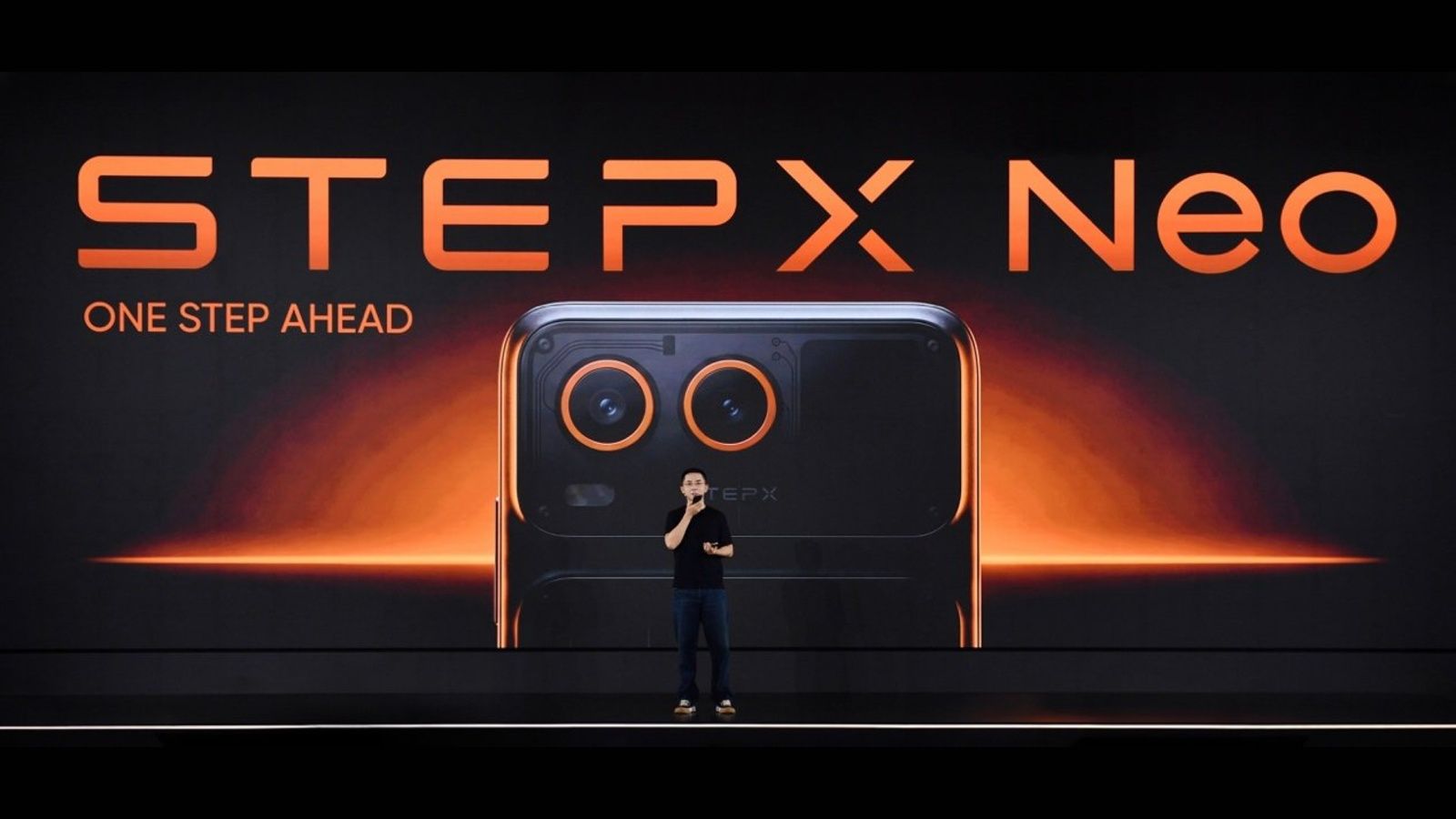
Furthermore, StepFun claims that Step AOS solves three critical bottlenecks for mobile AI: memory, decision-making, and execution. Specifically, the device features a long-term memory structure designed to recall relevant user data in as little as 15 milliseconds. This architectural baseline allows the agentic AI phone to provide highly personalized assistance without sacrificing system speed.
Strategic Integration and On-Device Precision
For high-intensity processing, the StepX Neo utilizes Step Edge, a specialized on-device AI model. This setup ensures that simple tasks run locally to protect user data, while complex jobs transition to cloud models. Moreover, StepFun has already secured partnerships with major platforms like Alipay, Meituan, and Baidu to expand its functional ecosystem.
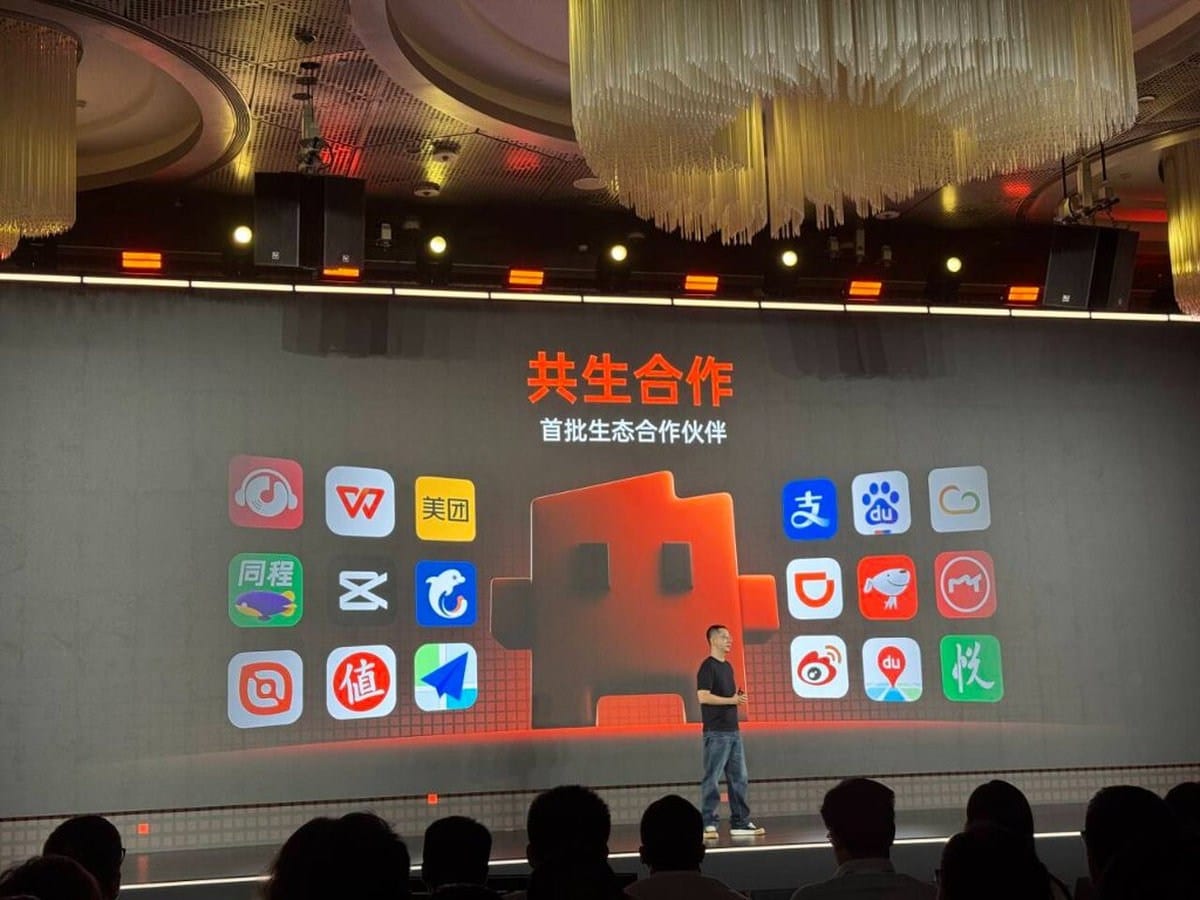
These strategic collaborations are intended to help Amoo manage real-world actions like ride-hailing, shopping, and office documentation. Ultimately, the success of this agentic AI phone depends on whether these integrations provide a seamless user experience or merely serve as glorified app shortcuts.
The Situation Room Analysis
The Translation: What is an Agentic AI Phone?
Legacy smartphones act as passive portals, waiting for user input to open specific apps. In contrast, an agentic device serves as a strategic delegate. It possesses the logic required to understand an objective, navigate through various software layers, and finalize the execution without constant human intervention.
The Socio-Economic Impact: Precision for Pakistan
For the growing freelance and professional demographic in Pakistan, this technology offers a catalyst for productivity. By automating administrative overhead—such as scheduling client meetings or processing digital payments—the agentic AI phone could significantly lower the barrier to entry for digital entrepreneurship in both urban and rural sectors.
The Forward Path: A Momentum Shift
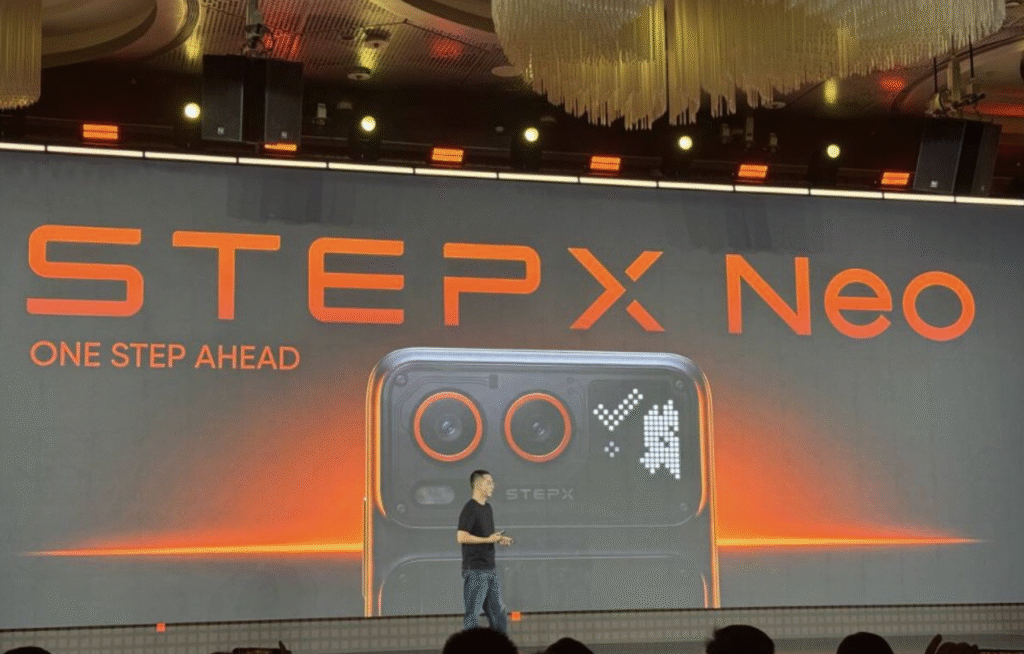
This development represents a clear Momentum Shift in the global hardware market. While StepFun has yet to disclose final hardware specifications or a commercial launch date, beating global giants to the “agentic” title establishes a new baseline for future smartphone development. The focus has officially shifted from what a phone knows to what a phone can do.








