
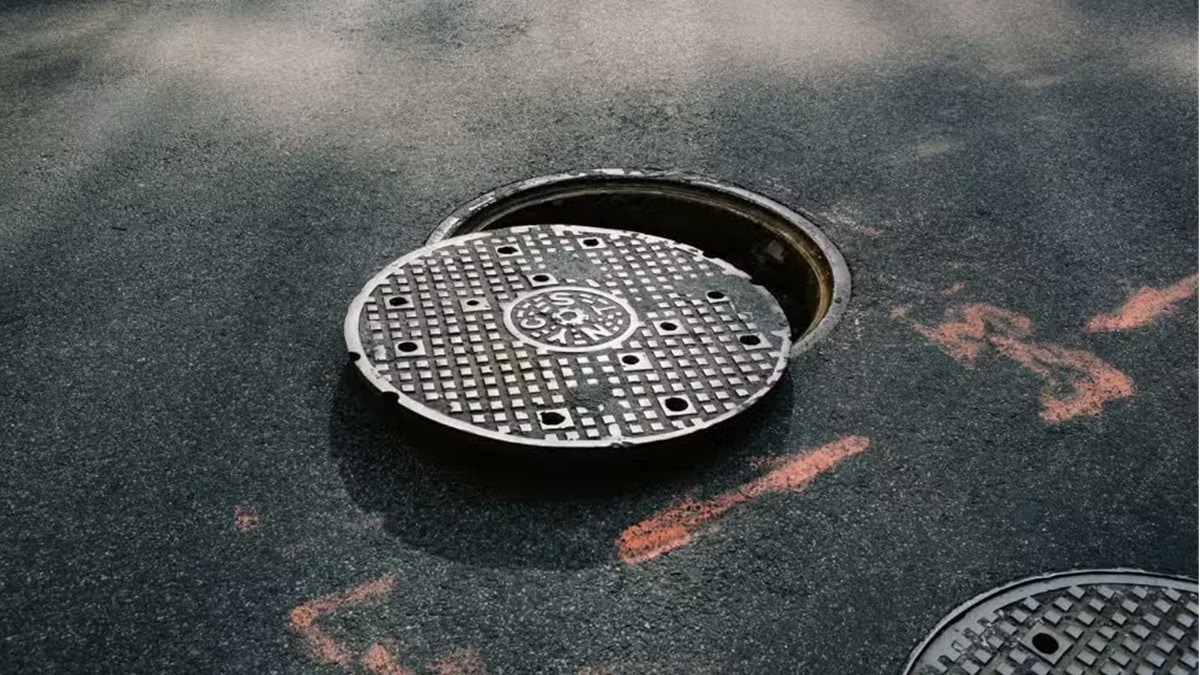
An eight-year-old boy named Sohail tragically lost his life on Monday after falling into an open sewage drains in Faisalabad’s Ghulamabad area. This preventable accident highlights a critical baseline failure in urban safety protocols. While rescue teams eventually recovered the body, the delay in securing hazardous infrastructure remains a primary catalyst for such urban tragedies. Consequently, the community demands immediate structural accountability from municipal authorities.
The Translation: Analyzing Municipal Negligence
The existence of open sewage drains in high-traffic residential zones represents a calibrated risk that authorities have failed to mitigate. In technical terms, an uncovered manhole is a breach of safety standards that creates a life-threatening vacuum in pedestrian pathways. Furthermore, this incident is not an isolated event but a data point in a larger trend of systemic neglect regarding urban maintenance. Precision in infrastructure management is the only way to prevent these structural failures from recurring.
The Socio-Economic Impact
For the average Pakistani citizen, these infrastructure gaps represent a constant, structural threat to family safety and neighborhood security. Consequently, these incidents erode public trust in municipal management and decrease the perceived livability of urban hubs like Faisalabad. When residential zones lack basic safety coverings, the following impacts occur:
- Public Safety Risk: High probability of injury for children and the elderly.
- Economic Erosion: Decreased property value and trust in local governance.
- Healthcare Burden: Increased emergency response requirements for preventable traumas.
Essentially, the lack of secure drainage systems acts as a deterrent to safe community development and modern urban advancement.
The Forward Path: Momentum or Stabilization?
This development represents a Stabilization Move at best, as it highlights the immediate need to secure existing hazards. However, it currently serves as a warning of systemic inertia within our municipal departments. To achieve a genuine momentum shift, authorities must move beyond reactive rescue operations and implement a precision-driven audit of all open sewage drains across the province. National advancement requires that our cities prioritize structural integrity over temporary fixes. We must calibrate our urban planning to safeguard the lives of the next generation.








