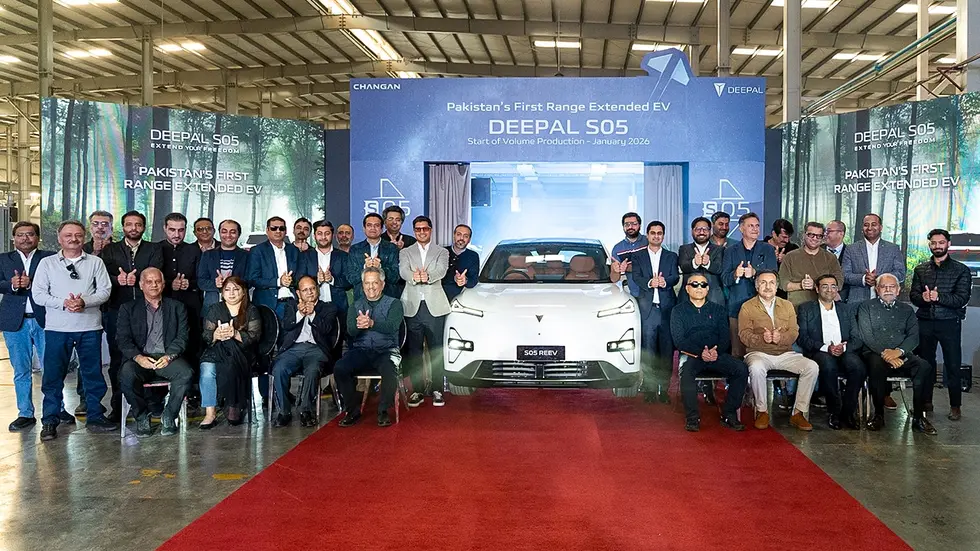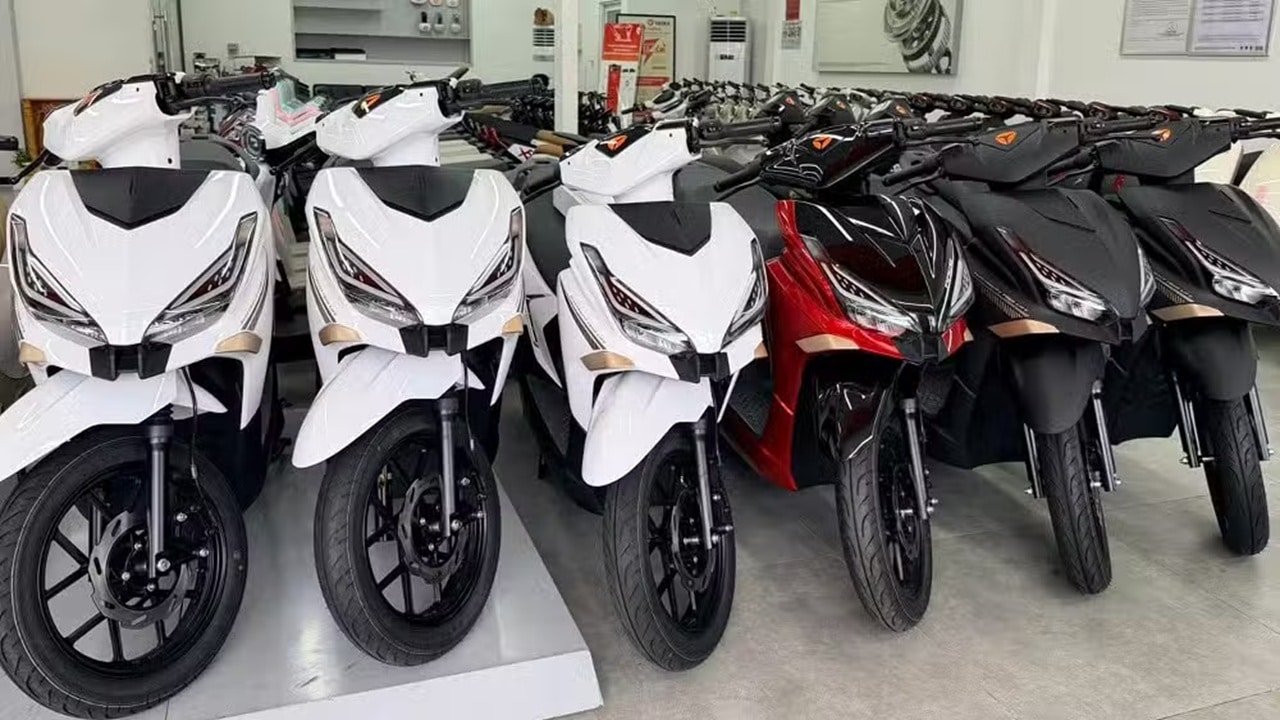
The strategic transition toward a sustainable Pakistan e-bike shift currently faces significant structural bottlenecks due to a fragmented regulatory framework. Recent parliamentary discussions highlight that a lack of centralized oversight and the absence of a comprehensive lithium battery policy allow substandard components to infiltrate the local market. Consequently, these systemic inefficiencies threaten the long-term viability of green mobility within our national transport baseline.
The Structural Barriers to the Pakistan E-Bike Shift
A sub-committee of the National Assembly Standing Committee on Industries recently identified critical gaps in the electric vehicle ecosystem. Multiple ministries currently oversee disconnected aspects of manufacturing, quality standards, and charging infrastructure. This lack of a unified regulatory authority facilitates a grey market where unlicensed operators sell refurbished battery cells without oversight. Furthermore, high import duties on quality components inadvertently encourage the proliferation of low-grade alternatives.

The Translation: Decoding Fragmented Regulation
In precise terms, “fragmented regulation” means that no single agency is responsible for the entire lifecycle of an e-bike. While one department may handle battery imports, another manages road safety, leaving quality control in a blind spot. The “grey market” emerges because legal imports are prohibitively expensive due to duties. Consequently, manufacturers utilize low-quality batteries that fail prematurely, undermining the precision and reliability required for a successful energy transition.
The Socio-Economic Impact: The Financial Risk for Citizens
For the average Pakistani citizen, this regulatory gap translates directly into substantial financial risk. High-quality lithium batteries serve as a catalyst for savings; however, substandard versions often become unusable within two years. Replacing these units costs approximately Rs. 90,000, which represents a massive burden for middle-income households. Thus, the current lack of standards risks turning a green investment into a recurring economic drain for urban commuters and students.

The Forward Path: A Stabilization Move
We categorize this development as a Stabilization Move. While identifying these hurdles establishes a necessary baseline, the true momentum shift requires the immediate implementation of the government’s finalized battery policy. We must prioritize local manufacturing of components to reduce dependency on volatile import duties. By calibrating our standards and centralizing authority, Pakistan can ensure that every citizen has access to durable and precision-engineered mobility solutions.