
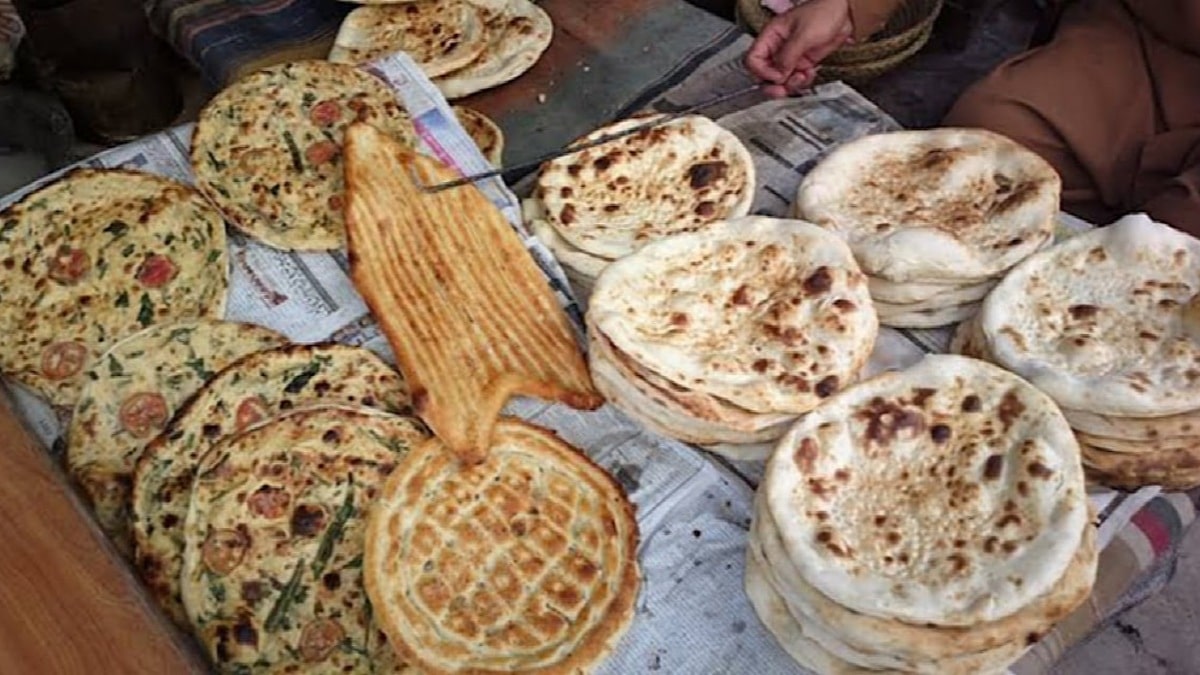
The fundamental baseline of Pakistan’s food security is shifting as structural inflation impacts the most basic caloric unit. The United Nanbai Association recently confirmed that roti and naan prices have escalated due to calibrated surges in raw material costs, pushing a simple roti to Rs. 25 and naan to Rs. 35 in Lahore. While the district administration has warned against unauthorized hikes, the association maintains that current flour prices make previous rates unsustainable.
Strategic Drivers Behind Roti and Naan Prices
The economic catalyst for this adjustment stems from the sharp increase in supply chain inputs. Specifically, the price of a 20-kilogram flour bag has climbed to Rs. 2,400, while fine flour has reached a staggering Rs. 12,000. Consequently, representatives argue that selling bread at the government-notified rate of Rs. 16 is no longer mathematically viable for tandoor operators.

Beyond flour, the association identified expensive LPG and higher packaging costs as critical pressure points. Therefore, they have urged the government to initiate negotiations within a three-day window. If authorities fail to address these structural concerns, the association has warned of a complete shutdown of tandoors across the city.
- Simple Roti: Increased from Rs. 20 to Rs. 25.
- Naan: Increased from Rs. 30 to Rs. 35.
- Government Rate: Currently maintained at Rs. 16.

Regional Market Synchronization
This trend is not isolated to Lahore. In Karachi, tandoors in several sectors have already implemented a Rs. 5 increase, mirroring the Lahore shift. Vendors in the metropolitan hub are now charging Rs. 25 for roti, up from the previous baseline of Rs. 20. This indicates a nationwide stabilization struggle as vendors attempt to align retail prices with rising overheads.

The Situation Room Analysis
The Translation (Clear Context)
The discrepancy between government-notified rates and market prices highlights a breakdown in the subsidy and supply chain ecosystem. When the cost of fine flour reaches Rs. 12,000, the “notified” price of Rs. 16 becomes an operational impossibility. Essentially, the Nanbai Association is attempting to protect its thin margins against a backdrop of rising energy (LPG) and raw material (flour) costs.

The Socio-Economic Impact
This development directly impacts the daily caloric intake of urban and rural households. For a family of five, a Rs. 5 to Rs. 9 increase per unit of bread significantly reduces the remaining monthly budget for healthcare and education. It creates a precision-level strain on the purchasing power of daily wagers who rely on tandoors for their primary meals.

The Forward Path (Opinion)
This situation represents a Stabilization Move rather than a momentum shift. The government’s attempt to enforce lower prices without addressing the upstream cost of flour is a temporary fix. For long-term precision in food pricing, the state must either subsidize the tandoor energy inputs or stabilize the wheat market to prevent recurring friction between vendors and consumers.








