
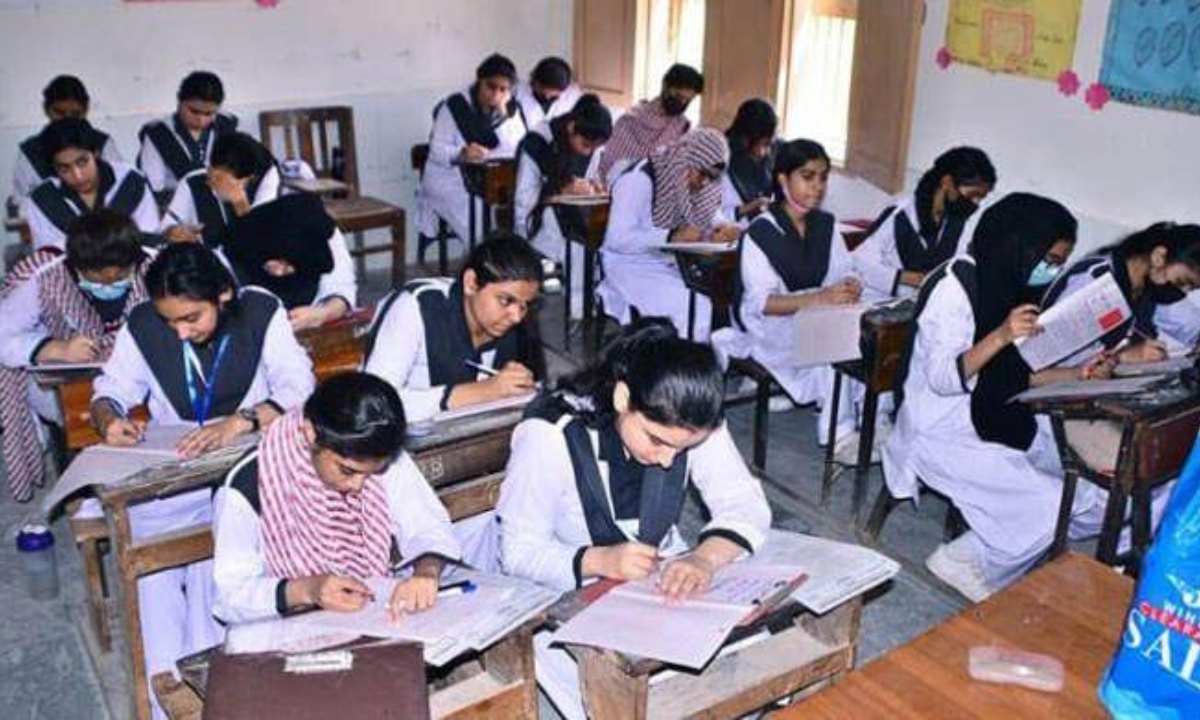
Systemic academic resilience depends on precise structural timelines. Consequently, the Punjab educational authorities have released the tentative schedule for the 2026 Inter Supplementary Exams. This announcement provides students with a calibrated window to clear their annual examinations and maintain their educational momentum. According to the current projections, examinations for Class 11 and Class 12 will commence on November 3, 2026.
Calibrating the 2026 Academic Recovery Cycle
Strategic planning is essential for students facing supplementary results. The Punjab Boards of Intermediate and Secondary Education (BISEs) have aligned the examination dates with the preceding result announcements. Specifically, the system follows this progression:
- Class 12 (2nd Year) Results: Expected on September 23, 2026.
- Class 11 (1st Year) Results: Likely announcement on October 22, 2026.
- Supplementary Examination Start Date: Scheduled for November 3, 2026.
Furthermore, students must recognize that these dates remain tentative. While they serve as a critical baseline for preparation, official notifications from respective boards will finalize the date sheets and registration protocols.
The Translation: Decoding the 2026 Timeline
In “Next Gen” terms, this schedule represents a Safety Net Protocol for the provincial education system. Instead of waiting for a full year, the Inter Supplementary Exams act as a catalyst for immediate academic correction. The gap between the result announcement and the exam start date is intentionally narrow—approximately 12 days for 1st-year students—to ensure information retention and rapid progression into higher education cycles.
Socio-Economic Impact: Protecting Academic Momentum
This development directly impacts the household stability of thousands of Pakistani families. By providing a clear, accelerated path to clear subjects, the system prevents “education stalling,” where students lose an entire productive year. For the urban professional and the rural student alike, this clarity reduces psychological stress and allows for more efficient financial planning regarding tuition and future university admissions. Consequently, this structural predictability strengthens the national human capital pipeline.
The Forward Path: A Stabilization Move
Our analysis categorizes this development as a Stabilization Move. While it does not represent a radical overhaul of the testing methodology, it provides the necessary precision required for a functional system. To evolve further, the “Forward Path” should involve digitizing these registration processes to reduce the administrative lag between results and re-testing. For now, students must maintain a disciplined focus on the November 3 baseline to ensure their transition into the next academic tier remains seamless.








