

Samsung recently introduced a calibrated shift in its privacy framework, requiring users to consent to Samsung AI training or face the systematic deletion of their synchronized health records. This structural ultimatum highlights the increasing friction between individual privacy and the expansion of machine learning models within the global health-tech ecosystem. Consequently, users who refuse to allow their biometrics to be processed for algorithmic modeling will lose critical cross-device synchronization features.
The Situation Room: Strategic Analysis
The Translation (Clear Context)
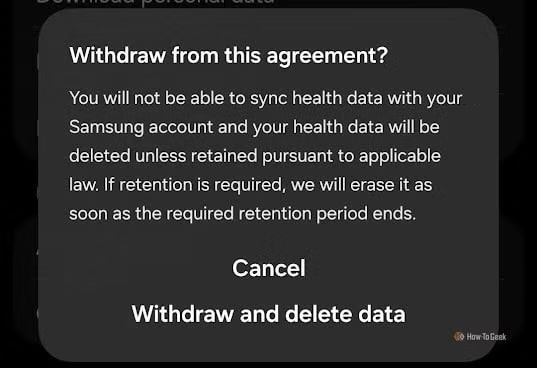
In essence, Samsung is transitioning from a passive tracking utility to an active AI-driven health architect. To refine its health-analysis algorithms, the company requires vast, high-precision datasets. However, the current implementation creates a binary choice: users must either participate in the Samsung AI training initiative or forfeit their cloud-based data storage. If consent is withdrawn, the system triggers a deletion sequence for all health data stored on Samsung’s servers, unless specific local laws mandate retention.
The Socio-Economic Impact
For the modern Pakistani professional or student, health data has become a baseline metric for productivity and long-term wellness. A “precision tax” is effectively being levied; those who prioritize data sovereignty are penalized by losing the ability to sync their metrics across multiple devices. Furthermore, for urban households in Pakistan utilizing wearable technology to manage chronic conditions, the sudden loss of historical data could disrupt personalized care trajectories and medical baseline monitoring.
The “Forward Path” (Opinion)
This development represents a Stabilization Move focused on data acquisition rather than a true momentum shift in user-centric innovation. While the push for proactive AI guidance is technically sound, the coercive link between core functionality and data harvesting is a regressive structural choice. A more sophisticated approach would allow for cloud synchronization to remain active while offering a separate, voluntary opt-in for Samsung AI training models.
The Technical Framework of Samsung AI Training
The scope of data targeted for these machine learning models is extensive and highly sensitive. According to Samsung’s internal documentation, the training protocols encompass four critical pillars of personal information:
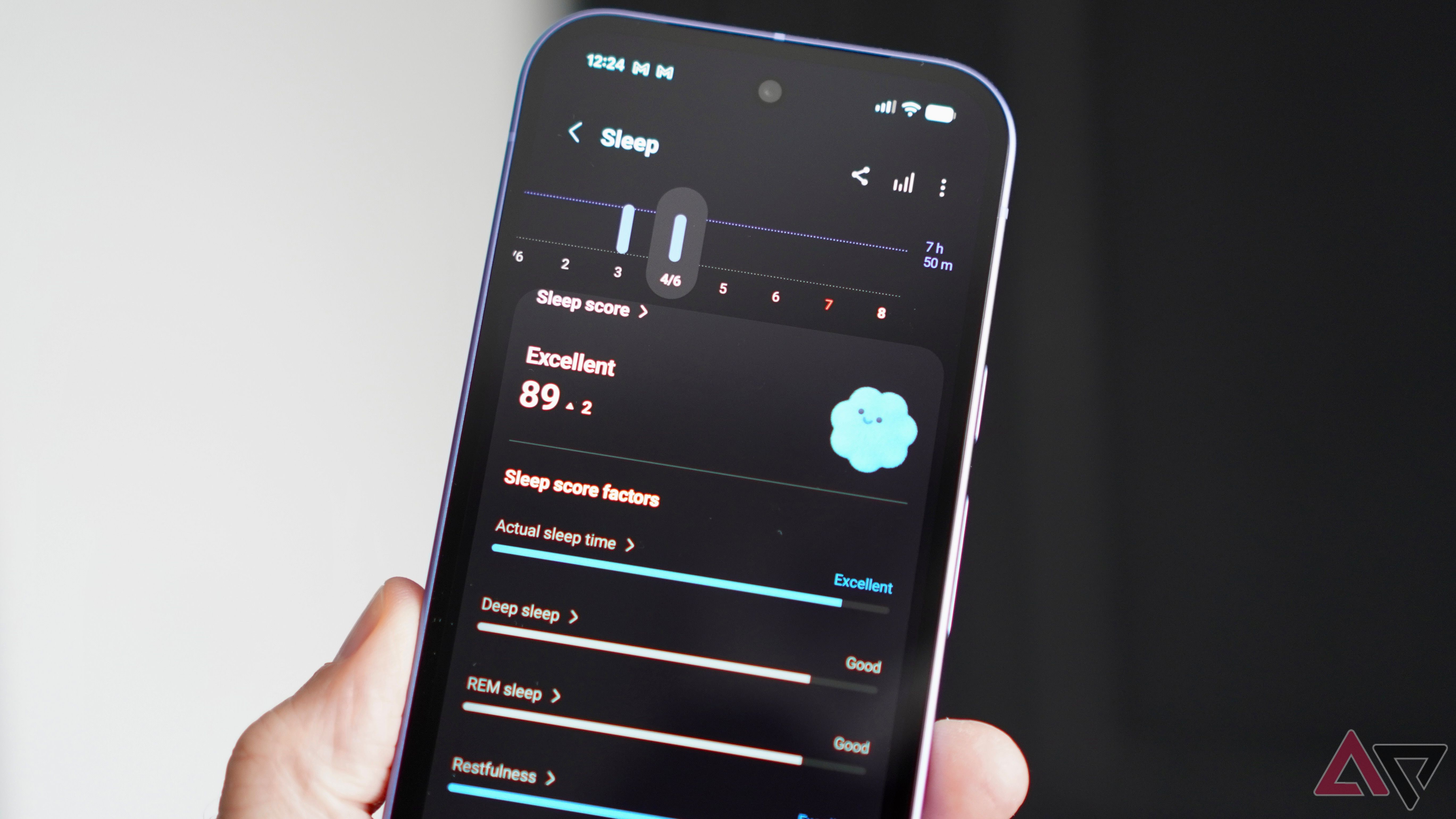
- Biometric Metrics: Precise measurements including body composition, nutrition, sleep cycles, and daily physical activity.
- Pharmaceutical Data: Detailed records of medication types, specific dosages, and prescription schedules.
- Clinical History: Formal health records, including professional diagnoses, treatment outcomes, and historical test results.
- Physiological Indicators: Cycle-tracking data, including menstrual history and heart rate variability.
The Risks of the Sync Trade-Off
The primary concern cited by industry analysts is not the request for data itself, but the mandatory nature of the trade-off. Users can technically disable the Samsung AI training toggle, but doing so triggers a “loss of synchronization” warning. This means your data will exist only on the physical device, making it vulnerable to loss if the hardware fails or is replaced. Consequently, Samsung is moving toward an ecosystem where “proactive, AI-powered guidance” is the only supported baseline for cloud users.
Furthermore, early feedback from the global tech community indicates a strong resistance to this model. A recent poll suggested that over 80% of users would reject the training request if it were decoupled from synchronization. As Samsung continues to roll out these features globally, the tension between precision health and data privacy will likely become a catalyst for new regulatory scrutiny in emerging digital markets like Pakistan.








