
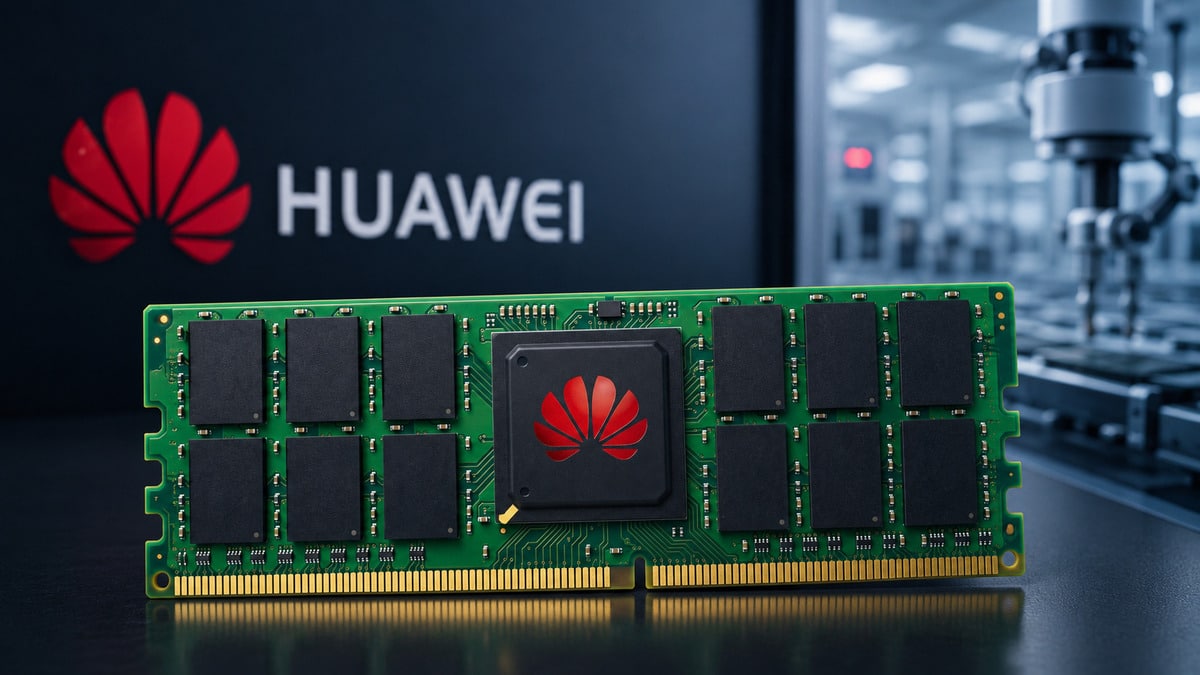
The architecture of China’s semiconductor future is shifting as Huawei strategically recalibrates its supply chain through a reported Huawei RAM factory initiative in Shenzhen. This calibrated move targets a significant reduction in exposure to foreign suppliers and US trade restrictions. By supporting SwaySure Technology, Huawei aims to stabilize its production baseline against a worsening global memory shortage. Consequently, this project represents a structural pivot toward national technological autonomy.
Architecting a Domestic Semiconductor Ecosystem
The proposed facility is a 12-inch wafer plant designed to utilize a 28nm manufacturing process. Reports indicate a monthly production target of 140,000 wafers. While 28nm is not the cutting edge for AI, it remains a critical baseline for consumer electronics and automotive applications. Furthermore, the partnership with SwaySure Technology leverages state-backed investment to fortify the regional semiconductor cluster.
Precision Management and Global Expertise
To ensure operational efficiency, the project has recruited seasoned industry veterans. Key leadership includes:
- Liu Xiaoqiang: Former TSMC executive with extensive fabrication management experience.
- Yukio Sakamoto: Former CEO of Elpida Memory, serving as Chief Strategy Officer.
These appointments suggest a high-precision approach to developing DRAM manufacturing processes. In contrast to previous efforts, this leadership team brings a wealth of international expertise to the Huawei RAM factory ecosystem.
Mitigating the Impending Global Memory Crisis
The urgency for a Huawei RAM factory is compounded by a projected global supply deficit. Analysts at SK hynix warn of a severe shortage by 2027 due to surging demand from AI data centers. Currently, Huawei depends heavily on Samsung, SK hynix, and Micron. Establishing a domestic alternative allows for greater control over manufacturing costs and supply stability.
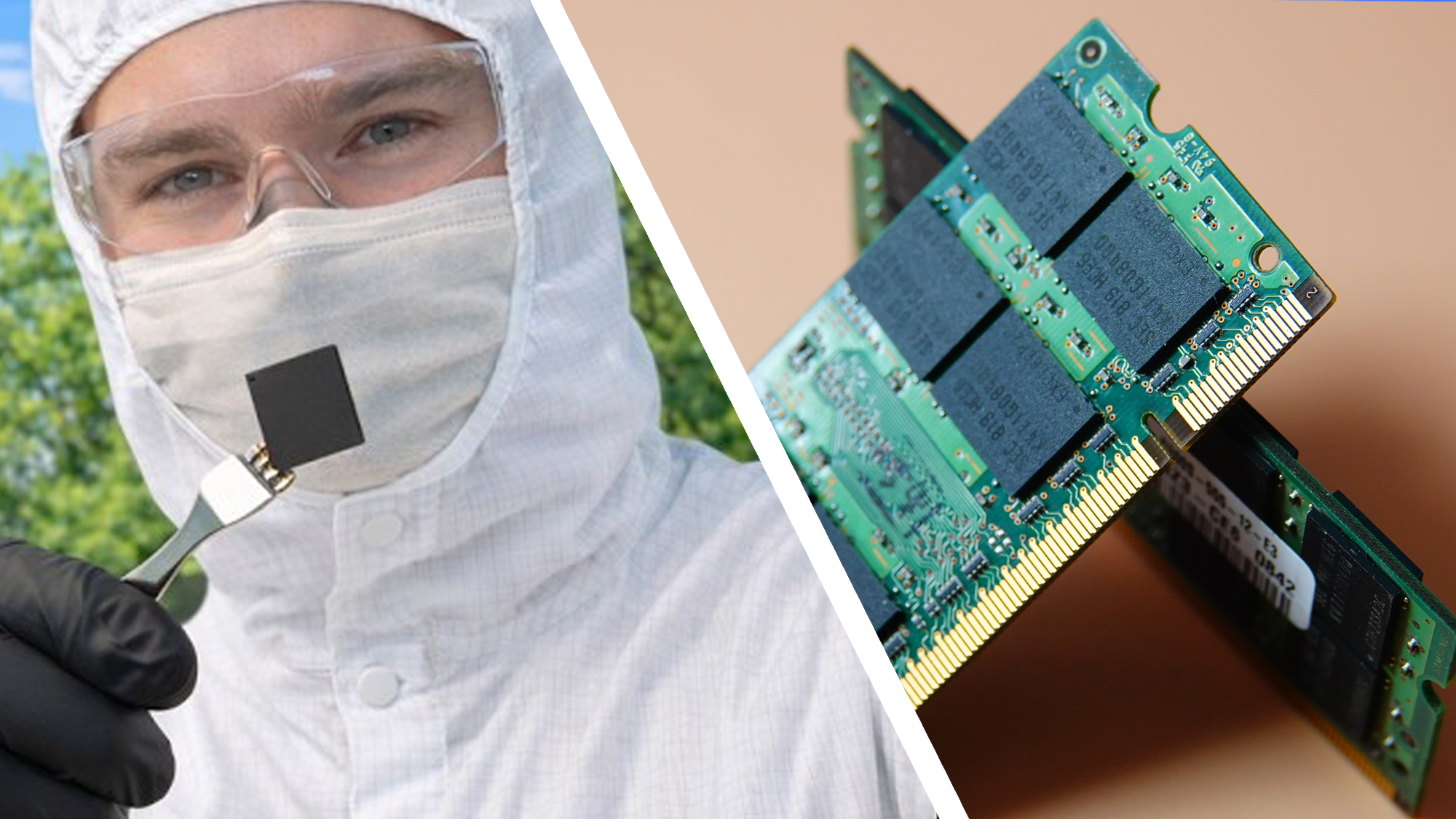
Strategic self-sufficiency is no longer optional; it is a necessity for survival in a volatile geopolitical landscape. By internalizing memory production, Huawei can bypass external restrictions that have limited its access to advanced chips since 2019. This facility acts as a catalyst for a more resilient, localized supply chain.

The Situation Room
The Translation: Technical Logic Explained
While the 28nm process mentioned may seem “legacy” compared to 3nm mobile processors, it is the workhorse of the industry. Most memory modules in vehicles, home appliances, and networking gear rely on these established nodes. By securing the Huawei RAM factory output for these sectors, Huawei frees up resources to focus on high-end innovation elsewhere.
The Socio-Economic Impact: Life in Pakistan
For the average Pakistani consumer, this move towards semiconductor independence could lead to more stable pricing for smartphones and laptops. As global shortages drive up component costs, a diversified supply chain helps prevent sudden price hikes in local markets. For professionals and students in Pakistan, this represents a stabilizing force in the accessibility of essential digital tools.
The Forward Path: Momentum Shift
This development is undeniably a Momentum Shift. While the project remains unconfirmed by official channels, the strategic alignment of state funds, veteran talent, and Huawei’s logistical needs points to a long-term offensive move. It is not merely a stabilization effort; it is the construction of a new digital frontier that challenges the existing triopoly of global RAM production.








